
SECURITY — February 13, 2026
Taliban Interior Minister Sirajuddin Haqqani Admits Aiding Four Al-Qaeda Members' Escape from Bagram Prison
Taliban Interior Minister Sirajuddin Haqqani admitted that four senior Al-Qaeda members who escaped Bagram prison in 2005 were aided by his network to flee to Pakistan. The statement highlights ongoing ties between the Haqqani network and Al-Qaeda.
The Ehtebar Desk — originates with Afghanistan International — 2 min read
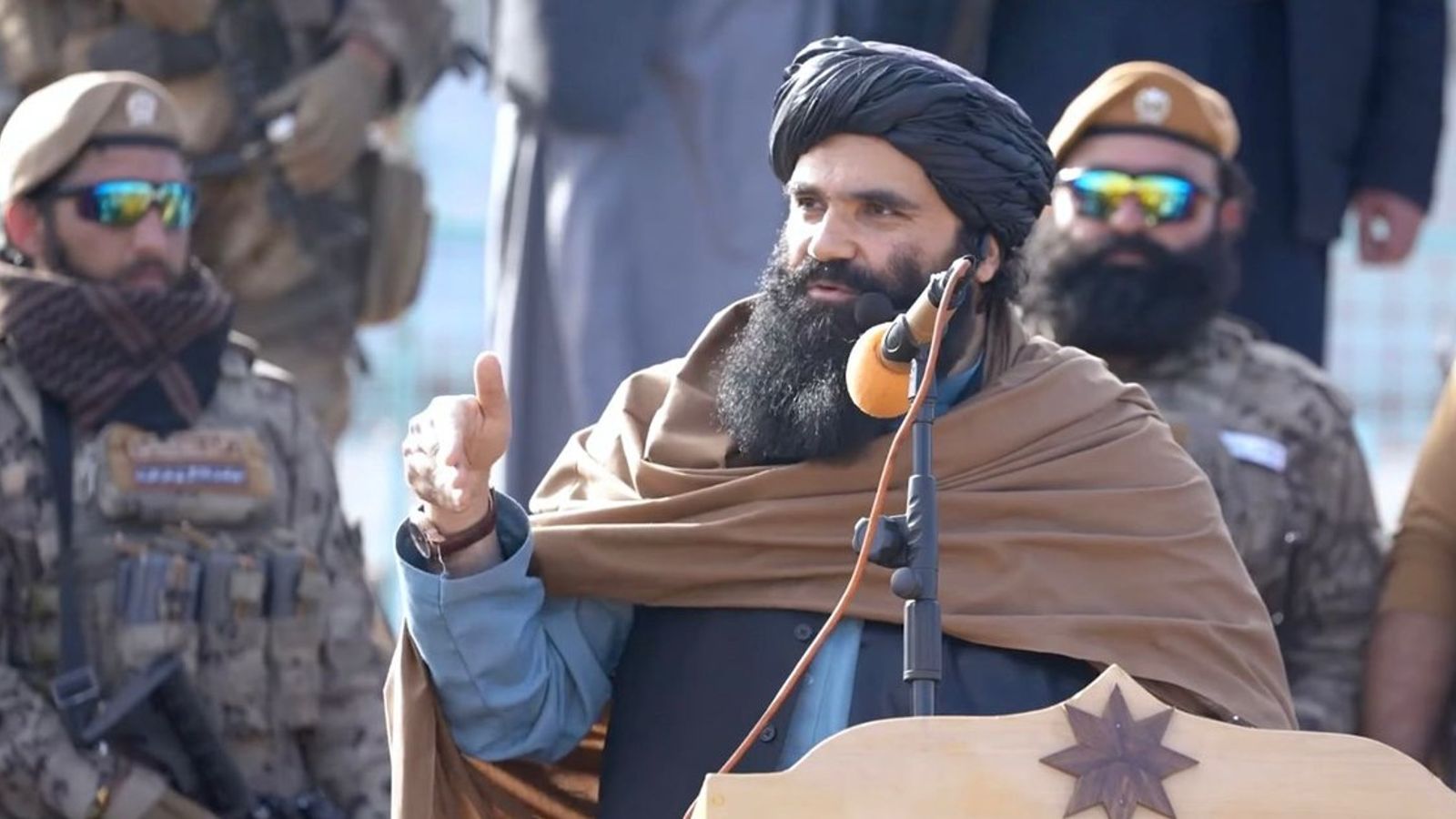
Taliban Interior Minister Sirajuddin Haqqani on Thursday praised Abdul Sattar Sado for his role in the Haqqani network's battles against U.S. forces and the previous Afghan government.
Haqqani stated: "When four Al-Qaeda members escaped from Bagram prison, they first contacted us and then, with the cooperation of Abdul Sattar Sado, were transferred to Miramshah."
The four escapees were Abu Yahya al-Libi, Umar Faruq, Muhammad Jafar Jamal al-Qahtani, and Abdullah Hashimi al-Shami, who fled the U.S.-controlled high-security facility in July 2005. Umar Faruq, a Kuwaiti citizen, was a senior Al-Qaeda operational leader in Southeast Asia at the time, having been arrested in 2002 in Java, Indonesia.
A source told Afghanistan International that Mawlawi Qadir, a Haqqani network member, was also among the escapees. He initially went to the Matun area in Khost province before being transferred to Miramshah in North Waziristan with support from network commanders. The group later settled in the Makin and Kanigram areas of South Waziristan.
The breakout from Bagram raised serious questions about how the prisoners escaped one of the most fortified military sites and traveled hundreds of kilometers to the Pakistan border.
According to White House information, Abu Yahya al-Libi -- also known as Hassan Qaid and a former member of the Libyan Islamic Fighting Group -- was Al-Qaeda's second-ranking leader after Ayman al-Zawahiri. He was killed in a U.S. drone strike in North Waziristan in July 2012 and had appeared in Al-Qaeda videos as a prominent religious theorist after joining Osama bin Laden.
Haqqani's remarks underscore the close ties between the Haqqani network and Al-Qaeda. Following al-Zawahiri's killing in Kabul's Wazir Akbar Khan area in 2022, Haqqani's support for Al-Qaeda members has again drawn attention domestically and internationally.
The UN Security Council believes Al-Qaeda has revived its camps in Afghanistan with Taliban assistance and maintains bases in five provinces.
Read the original reporting at Afghanistan International →
Reliability assessment
Single source provides direct quote from named Taliban official Sirajuddin Haqqani with concrete, checkable historical details (known 2005 Bagram breakout, named individuals, locations, and timelines). Additional context from UN and White House aligns with established facts; not a volatile ground event.
Across the newsrooms
Filed by
Afghanistan International
Originating
Filed under
Security — Sirajuddin Haqqani, Al-Qaeda, Bagram prison, Haqqani network, Pakistan
Reader supported
Keep Ehtebar running
Every published story uses paid tools to translate reporting, compare sources, extract claims, and produce a clearer read on Afghanistan. Reader support helps keep that work independent.
€5
helps cover daily verification runs
€15
supports a week of source comparison
€50
keeps independent analysis moving
More in Security
Security Forces Arrest Three Theft Gangs in Herat, Recover 24 Vehicles
— Reliable
Taliban Arrest Seven Civilians in Yaftal District of Badakhshan
— Developing
More Than 30 Killed in Pakistan-Administered Kashmir Election Protests
— Reliable

ISKP Claims Killing of Taliban Information Director in Badakhshan
— Reliable