
POLITICS — June 22, 2026
Taliban Ministry of Vice and Virtue Spokesman Describes Hijab as National Sovereignty Issue
Arrests of at least 30 women in Herat for not wearing required hijab prompted protests that security forces dispersed with gunfire, killing one person as confirmed by the United Nations. The developments have led to demonstrations in the United States and several European countries, with activists labeling the policy gender apartheid.
The Ehtebar Desk — originates with Amu TV — 2 min read
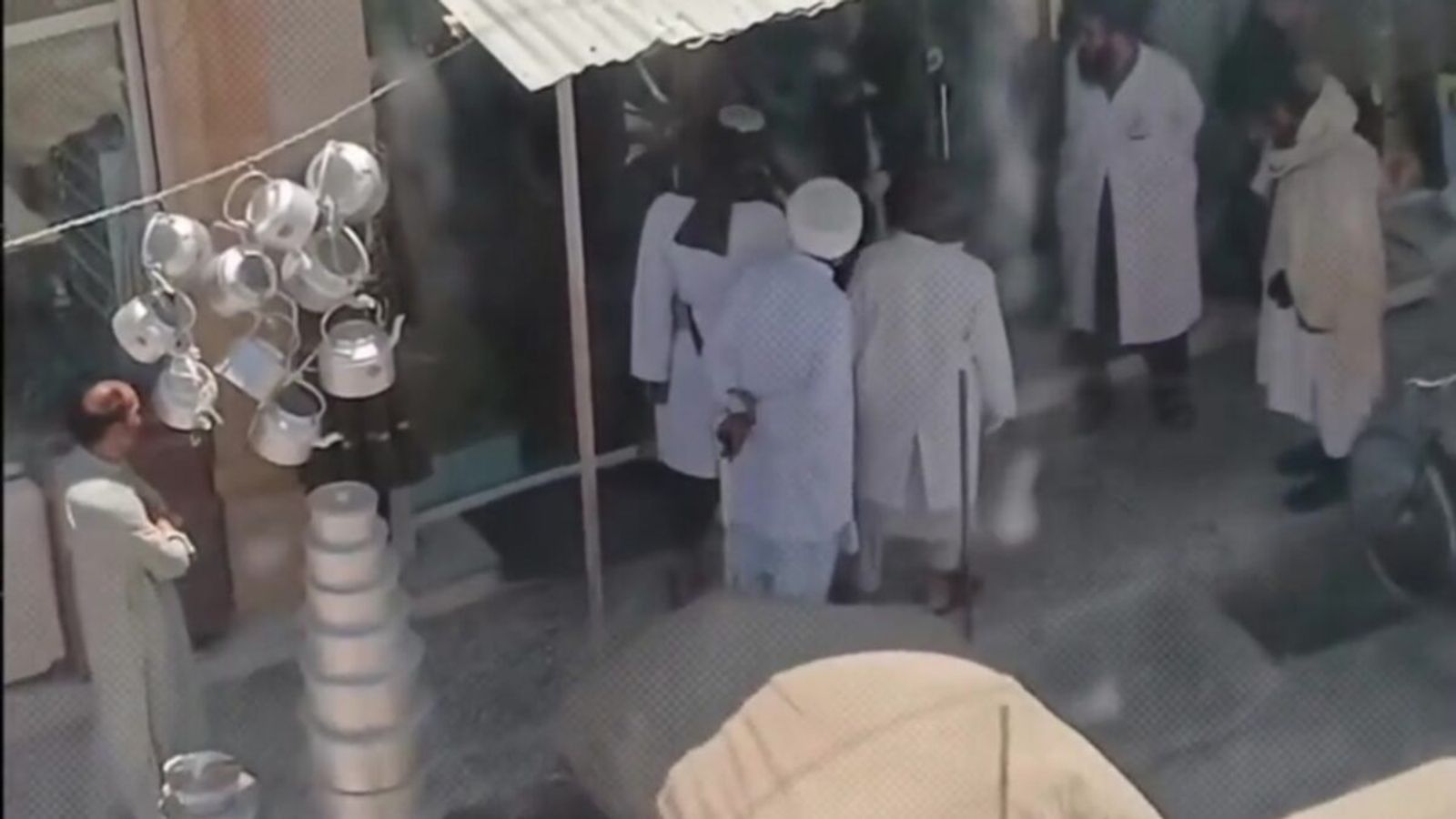
A spokesman for the Taliban Ministry of Vice and Virtue called the hijab a matter of national sovereignty and the identity of the Afghan people. In his remarks, he emphasized that Afghanistan has the right to implement its own system rooted in the country's cultural and religious values. He pointed to examples from other nations, noting that France operates under a secular system while the United States follows its established legal system.
The comments were made following a series of arrests in the western province of Herat. Taliban forces detained at least 30 women in the first week of June. The detentions were carried out because the women did not comply with the mandated hijab requirements.
Protests broke out in Herat in reaction to the arrests. The demonstrations were met with a forceful response that included the use of gunfire. The United Nations Assistance Mission in Afghanistan reported one fatality resulting from the suppression of the protests.
The situation has prompted strong reactions from women's rights groups around the world. Activists have described the Taliban policy as a form of gender apartheid. They argue that the measures are designed to exclude women from participating in public life. In addition to the events in Afghanistan, protests have been organized in several countries including the United States, Germany, and Spain to express opposition to the arrests and the broader enforcement approach.
Read the original reporting at Amu TV →
Reliability assessment
Single source provides direct attribution to named entities (Taliban spokesman via Facebook post; UNAMA confirmation of arrests and casualty). Verifiable facts include 'X said Y' statements and specific UNAMA-reported numbers/dates.
The source language mixes facts with framing or advocacy wording. Amu TV: "brutal crackdown" is not in the text but the source uses charged framing such as "sarkoob kardan" (suppressed with gunfire), "hazf-e kamel-e zanan" (complete elimination of women), and "apartheid jensi" (gender apartheid) to portray the Taliban's actions as systematically oppressive and targeted at erasing women from society.
Across the newsrooms
Filed by
Amu TV
Originating
Framed
Framed
Filed under
Politics — Taliban, Hijab, Herat, UNAMA, Women's rights
Reader supported
Keep Ehtebar running
Every published story uses paid tools to translate reporting, compare sources, extract claims, and produce a clearer read on Afghanistan. Reader support helps keep that work independent.
€5
helps cover daily verification runs
€15
supports a week of source comparison
€50
keeps independent analysis moving
More in Politics

Islamic Emirate Leader Orders 21 New Appointments Across Government Posts
— Reliable
Discussion Held on Presenting Achievements of Government Program in Media
— Reliable
Supreme Court of the Islamic Emirate of Afghanistan Outlines Judicial Reforms and Achievements
— Unverified
Ministry of Information and Culture of the Islamic Emirate of Afghanistan Announces Annual Activities and Achievements
— Reliable