
ECONOMY — March 9, 2026
Taliban says commercial goods transit at Islam Qala border with Iran continues
Herat officials report normal commercial transit through Islam Qala border with up to 1,300 trucks daily despite Iran tensions, while warning against price hikes; residents and traders note increases in food and fuel costs.
The Ehtebar Desk — originates with Afghanistan International — corroborated by Pajhwok, RTA and Amu TV — 2 min read
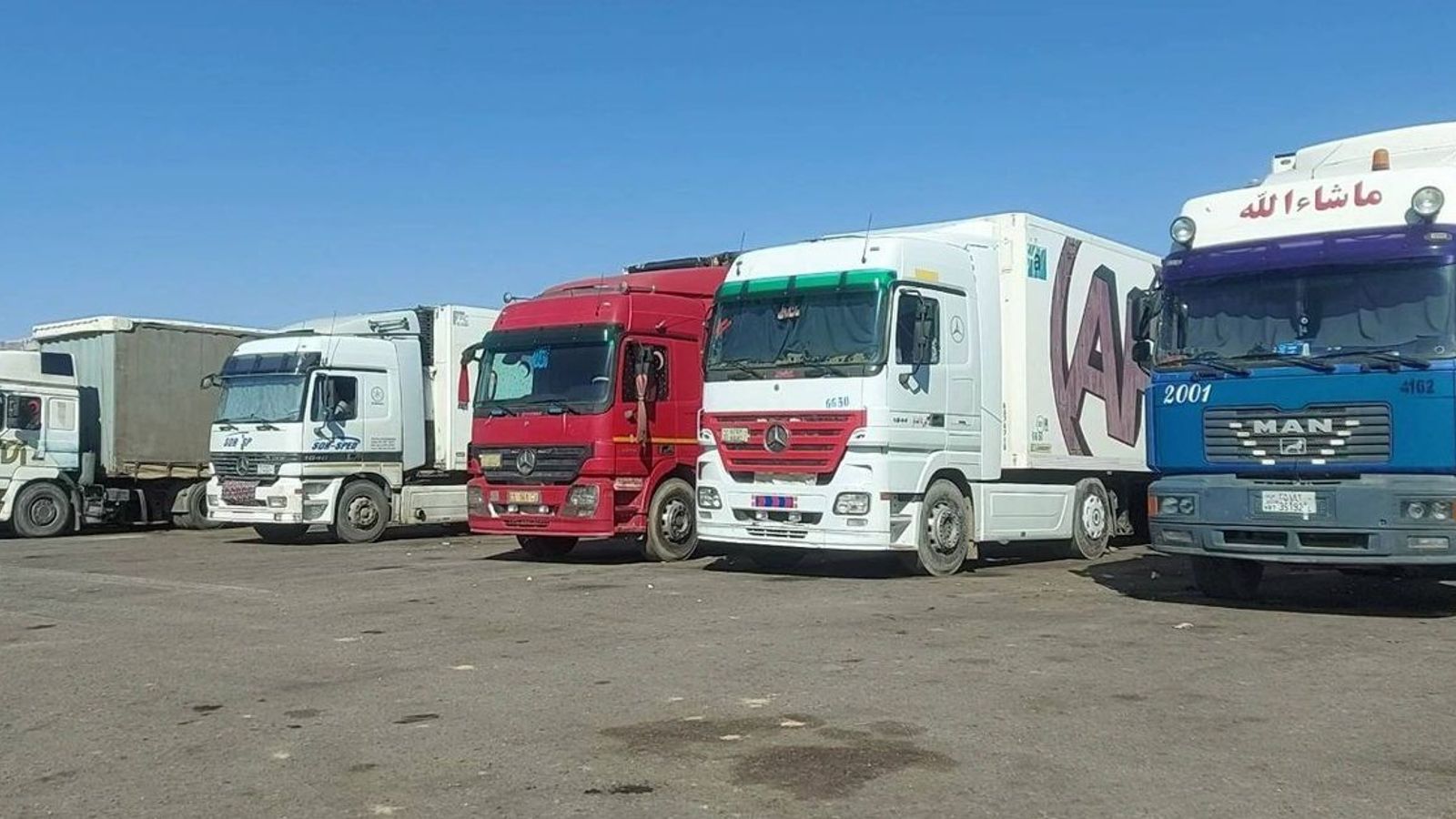
Herat provincial officials stated that despite ongoing tensions and war in Iran, commercial transit between Afghanistan and Iran proceeds normally through the Islam Qala border, with up to 1,300 cargo trucks crossing daily.
Hazrat Zaem Agha, Taliban commissioner at Islam Qala, told the Taliban-controlled Bakhtar news agency that currently 600 cargo trucks enter Iran daily and about 700 return from Iran, with goods transfer continuing without issues. Mohammad Yusuf Saidi, spokesman for the Taliban governor in Herat, warned that merchants raising prices on the pretext of closed Iranian routes will face legal action. The Herat governor's media office reported average daily figures of 600 outgoing and 700 incoming trucks, noting annual trade volume between Afghanistan and Iran at around $4 billion, much of it via Islam Qala. RTA cited the office stating Islamic Emirate officials in Herat are strictly monitoring markets to prevent arbitrary price increases.
Iran previously banned exports of food and agricultural products until further notice. Iran's charge d'affaires in Kabul, Alireza Bikdeli, confirmed uninterrupted trade between the two countries.
However, some Herat residents told Afghanistan International that ongoing conflicts, including those involving Taliban and Pakistan as well as Iran with Israel and the United States, have driven up food prices in the city. Shopkeepers in Herat and Ghor reported to Amu TV significant increases in food, fuel, and cooking gas prices, with petrol rising from 60 to 70 afghanis per liter and liquid gas from 52-58 afghanis per kilo. Khanjan Elkuzi, a member of the Afghanistan Chamber of Commerce board, confirmed to Amu TV that prices of basic food imports like rice have risen due to closed Pakistan routes and regional conflicts, particularly in Iran, Afghanistan's main trade path. He noted imports from Bangladesh would still route through Iranian ports like Chabahar, impacted by recent fighting, and warned of potential famine if Taliban pressure on merchants to sell cheaply continues amid these issues. Herat Chamber officials said they are seeking to expand trade ties with other countries to avert food shortages.
Read the original reporting at Afghanistan International →
Reliability assessment
4 outlets corroborate Herat provincial/Taliban officials' statements on normal transit of up to 1,300 cargo trucks daily through Islam Qala despite Iran tensions, with direct attributions to named officials like Hazrat Zaem Agha and Mohammad Yusuf Saidi; price increase reports from residents/traders noted but do not contradict core event.
The source language reads straight.
Across the newsrooms
Filed by 4 outlets
Afghanistan International
Originating
Pajhwok
RTA
Amu TV
Filed under
Economy — Islam Qala, Herat, Iran, Taliban, trade
Reader supported
Keep Ehtebar running
Every published story uses paid tools to translate reporting, compare sources, extract claims, and produce a clearer read on Afghanistan. Reader support helps keep that work independent.
€5
helps cover daily verification runs
€15
supports a week of source comparison
€50
keeps independent analysis moving
More in Economy
Economic Commission Approves 37 Domestic Standards and 12 Testing Methods
— Reliable

Taliban Governor Says Around 700 Mines Under Extraction in Panjshir
— Reliable
Daily Production at Baghlan's Ghori Cement Factory Increases to 700 Tons
— Reliable
Two Irrigation and Flood-Prevention Projects Completed in Zabul
— Reliable