
POLITICS — March 26, 2026
Tehran says new rules now govern passage through Strait of Hormuz
Iran said on Thursday that the Strait of Hormuz would not return to normal and that future transit through the strategic waterway would depend on Tehran’s approval.
The Ehtebar Desk — originates with Khaama Press — 2 min read
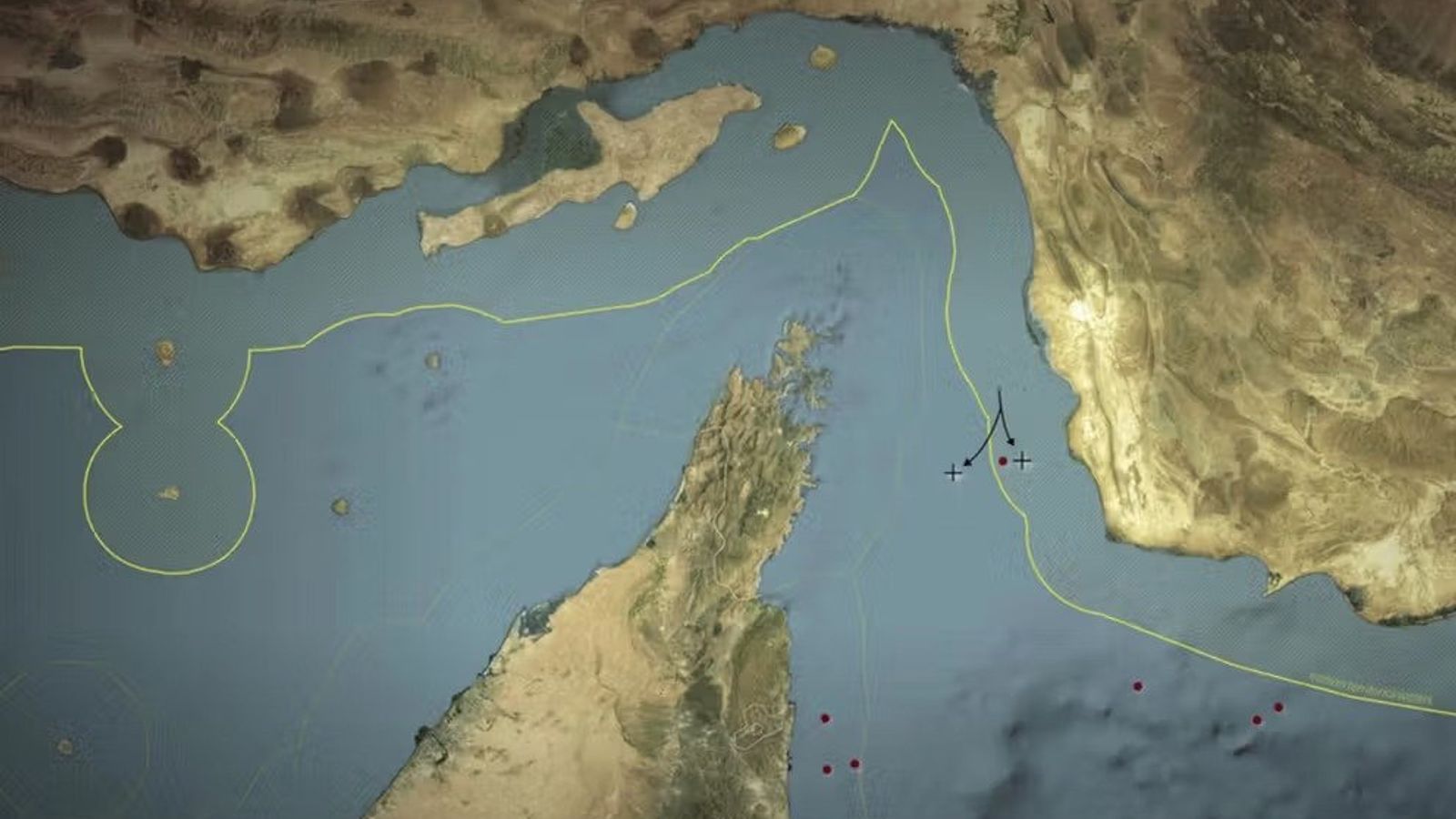
Iran said on Thursday that conditions in the Strait of Hormuz would not return to normal and that future transit through the strategic waterway would depend on Tehran’s approval.
Ebrahim Zolfaqari, spokesperson for Iran’s Khatam al-Anbiya Central Headquarters, told Anadolu that new rules had been introduced for ships passing through the strait and that full control of the route remained in Iranian hands.
He said the strength of Iran’s armed forces and public resistance was increasing, while claiming the country’s enemies were showing signs of weakness.
The remarks come as U.S. and Israeli airstrikes against Iran, launched on Feb. 28, have continued to escalate and have reportedly killed more than 1,340 people.
Iran has responded with missile and drone attacks on Israel and on countries hosting U.S. forces in the region, causing infrastructure damage and disruption to global transport and energy markets.
The threat over Hormuz comes as Washington has also tried to open a diplomatic channel with Tehran through a war-ending proposal delivered via Pakistan.
Iran, however, has rejected the initial U.S. proposal, calling it unreasonable, and has insisted that any end to the war must happen only on Tehran’s terms.
Earlier reports also indicated that Iranian Foreign Minister Abbas Araghchi and Parliament Speaker Mohammad Bagher Ghalibaf were temporarily excluded from a U.S.-Israeli strike target list, in what appeared to be an effort to keep room for possible high-level negotiations.
Despite that reported opening, Iranian officials have continued to harden their public position, linking any future talks to broader security, military and regional demands.
If fully enforced, Iran’s warning over the Strait of Hormuz could mark a major escalation with serious implications for diplomacy, global trade and regional stability.
Read the original reporting at Khaama Press →
Reliability assessment
AI processing was unavailable.
The source language mixes facts with framing or advocacy wording. Tone analysis was unavailable.
Across the newsrooms
Filed by
Khaama Press
Originating
Filed under
Reader supported
Keep Ehtebar running
Every published story uses paid tools to translate reporting, compare sources, extract claims, and produce a clearer read on Afghanistan. Reader support helps keep that work independent.
€5
helps cover daily verification runs
€15
supports a week of source comparison
€50
keeps independent analysis moving
More in Politics

Islamic Emirate Leader Orders 21 New Appointments Across Government Posts
— Reliable

Discussion Held on Presenting Achievements of Government Program in Media
— Reliable
Supreme Court of the Islamic Emirate of Afghanistan Outlines Judicial Reforms and Achievements
— Unverified
Ministry of Information and Culture of the Islamic Emirate of Afghanistan Announces Annual Activities and Achievements
— Reliable