
POLITICS — April 2, 2026
UN Agencies' Joint Report Finds Taliban Policies Violate CEDAW
A joint report by UN OHCHR and UN Women states that 16 Taliban policies and decrees issued since 2021 violate Afghanistan's commitments under the CEDAW, to which it acceded in 2003. The measures impose restrictions on women's education, employment, travel and public life, creating institutionalized discrimination.
The Ehtebar Desk — originates with Amu TV — corroborated by Afghanistan International — 2 min read
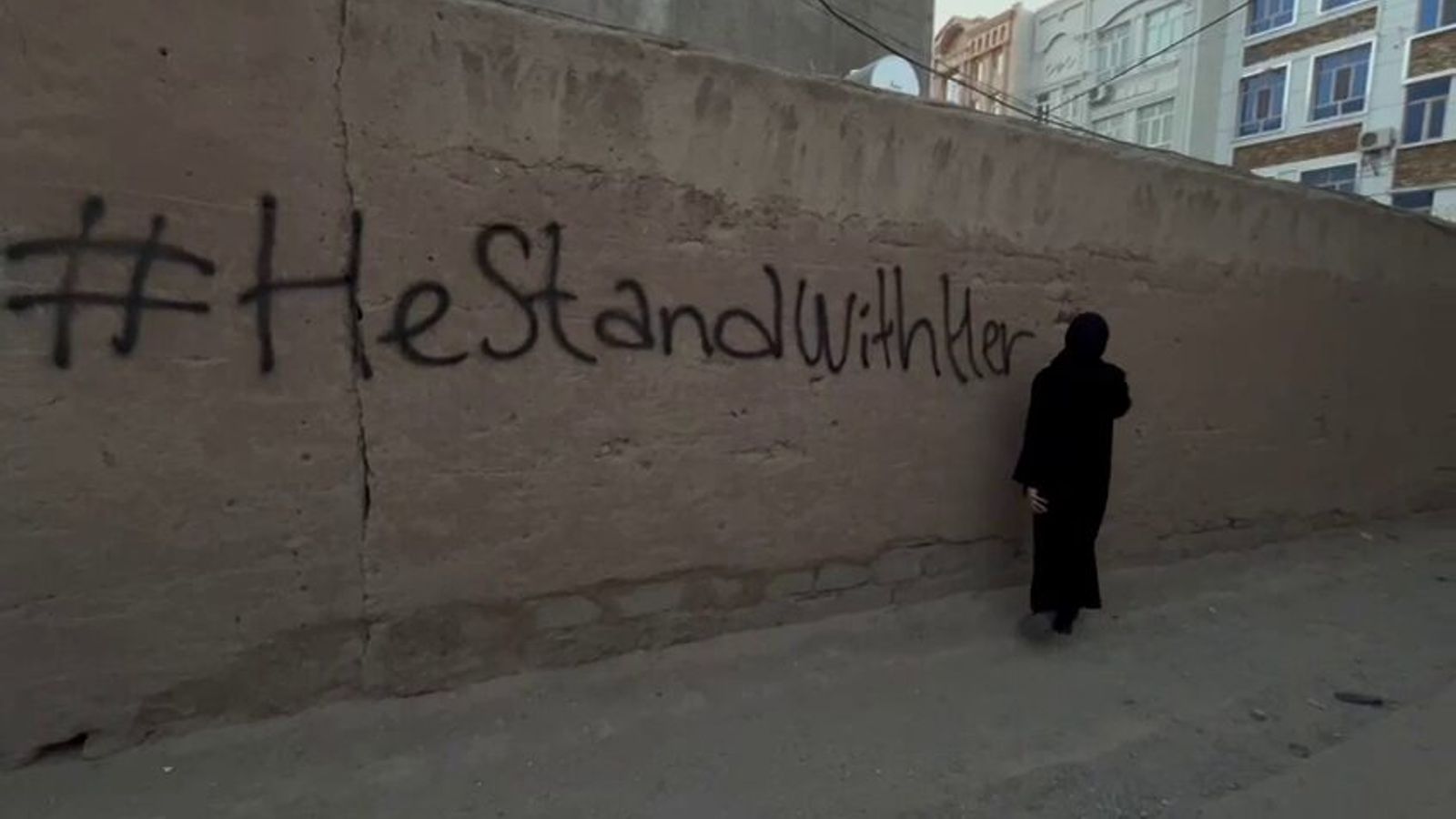
Two United Nations agencies, the Office of the High Commissioner for Human Rights (OHCHR) and UN Women, have released a joint report reviewing 16 policies and decrees issued by the Taliban since 2021.
The report concludes that these measures contradict Afghanistan's obligations under the Convention on the Elimination of All Forms of Discrimination Against Women (CEDAW), to which the country acceded in 2003. Afghanistan's commitments under the treaty remain binding.
Among the policies examined are bans on girls' education beyond the sixth grade, prohibitions on women's higher education, and a 2024 restriction barring women from medical institutes. The report also cites bans on women working in government offices, non-governmental organizations and United Nations agencies, as well as travel restrictions preventing women from traveling more than 78 kilometers without a male companion.
Additional measures include a nationwide hijab mandate and the Promotion of Virtue and Prevention of Vice law. The report describes these as establishing a system of institutionalized discrimination that violates women's rights to education, work, movement and expression.
It further notes that the policies create structural discrimination, limit women's economic independence and disrupt essential services that rely on female workers.
Read the original reporting at Amu TV →
Reliability assessment
Corroborated by two outlets (Amu TV, Afghanistan International) reporting the release of a joint UN OHCHR and UN Women report on Taliban policies violating CEDAW; direct attribution to named UN agencies confirms the core claim of the report's existence and findings.
The source language mixes facts with framing or advocacy wording. Amu TV: "blatant violation" (نقض آشکار), "worrisome" (نگرانکننده), "intrusive" (مداخلهگرانه) – these phrases add emotional framing and judgmental language to the UN report's findings, emphasizing severity beyond neutral reporting.
Independent web corroboration
An independent web search turned up no separate corroborating reports. Treat the account as single-sourced until more outlets pick it up.
Across the newsrooms
Where reports agree
- Joint UN report (OHCHR and UN Women) examines 16 specific Taliban policies on women since 2021
- Afghanistan acceded to CEDAW in 2003, commitments remain binding
- Policies cited include education bans, work restrictions, travel limits, hijab mandates, and closures of public spaces/salons for women
Filed by 2 outlets
Amu TV
Originating
Framed
Framed
Afghanistan International
Reported straight
Reported straight
Filed under
Politics — Taliban, UN, CEDAW, OHCHR, UN Women
Reader supported
Keep Ehtebar running
Every published story uses paid tools to translate reporting, compare sources, extract claims, and produce a clearer read on Afghanistan. Reader support helps keep that work independent.
€5
helps cover daily verification runs
€15
supports a week of source comparison
€50
keeps independent analysis moving
More in Politics

Islamic Emirate Leader Orders 21 New Appointments Across Government Posts
— Reliable
Discussion Held on Presenting Achievements of Government Program in Media
— Reliable
Supreme Court of the Islamic Emirate of Afghanistan Outlines Judicial Reforms and Achievements
— Unverified
Ministry of Information and Culture of the Islamic Emirate of Afghanistan Announces Annual Activities and Achievements
— Reliable