
SOCIETY — March 8, 2026
UN agencies urge lifting of restrictions on Afghan women on International Women's Day
UN agencies including UNICEF, OCHA, and UNAMA marked International Women's Day by calling for an end to restrictions on Afghan women's work and access to justice, citing stark disparities and essential roles in aid delivery.
The Ehtebar Desk — originates with Amu TV — corroborated by Pajhwok, Khaama Press and Afghanistan International — 2 min read
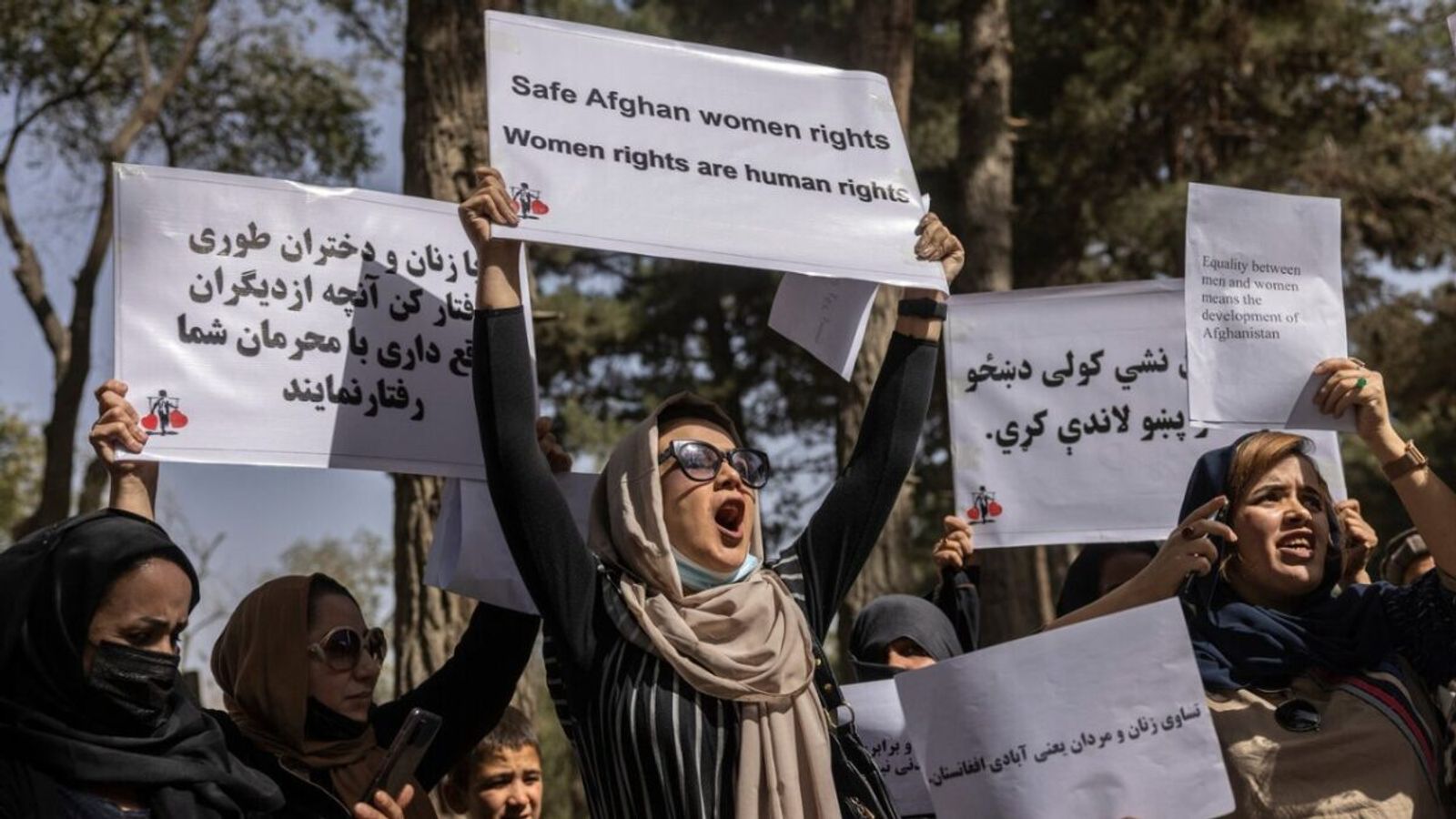
On International Women's Day, March 8, 2026, multiple UN agencies called for justice, equal rights, and the lifting of restrictions on Afghan women and girls.
UNICEF emphasized the immediate lifting of the ban on women working in UN offices in Afghanistan, noting that female staff have been barred from entering for six months. The agency stated that women employees play a vital role in delivering lifesaving services. UNICEF also highlighted that over 2 million children are out of school, with projections of nearly 4 million girls missing secondary education by 2030, leading to profound consequences for the country's future.
The UN Office for the Coordination of Humanitarian Affairs (OCHA) said women in Afghanistan continue essential aid work despite restrictions, particularly for women and children relying on health, education, and social services. OCHA called for stronger support and protection for female aid workers.
The UN Assistance Mission in Afghanistan (UNAMA) reported that Afghan women have about four times less access to formal justice mechanisms than men, with only 14% of consulted women reporting access compared to 53% of men. UNAMA Deputy Head Georgette Gagnon warned that barriers erode trust in institutions and increase vulnerability. Special Representative Susan Ferguson stated access to justice is fundamental for women's security and dignity. The findings, based on consultations by UN Women and the International Organization for Migration, noted worsening access over the past year, exacerbated by Taliban Decree No. 12 on penalties issued earlier in 2026. Informal mechanisms like shuras and jirgas further limit women's representation.
UNESCO expressed solidarity, urging against normalizing the denial of education to millions of girls and stating change is still possible.
The Islamic Emirate has not commented on these reports but previously stated women's rights are ensured per Islamic Sharia framework. Activist groups described restrictions as a deliberate cultural erasure and a stain on humanity. One commentary reflected on women's historical suffering in Afghan wars, emphasizing lasting psychological and social impacts.
Read the original reporting at Amu TV →
Reliability assessment
3 outlets (Afghanistan International, Khaama Press, Pajhwok) corroborate core UN statements and reports from UNICEF, OCHA, and UNAMA on Women's Day, with concrete details like access figures (14% women vs 53% men), named officials (Gagnon, Ferguson), and Taliban Decree No. 12; Amu TV provides tangential commentary without conflicting facts.
The source language mixes facts with framing or advocacy wording. Amu TV uses emotional framing like 'ضربهای مهلک و جبرانناپذیر' (devastating and irreparable blow) and 'فاجعه' (catastrophe) in describing women's plight; Afghanistan International quotes activists on 'تلاشی آگاهانه برای پاکسازی فرهنگی' (deliberate cultural cleansing) and 'لکه ننگی بر پیشانی تمام بشریت' (stain on humanity's forehead), adding advocacy tone.
Across the newsrooms
Filed by 4 outlets
Amu TV
Originating
Pajhwok
Khaama Press
Afghanistan International
Filed under
Society — International Women's Day, UNAMA, women's rights, Afghanistan, Taliban restrictions
Reader supported
Keep Ehtebar running
Every published story uses paid tools to translate reporting, compare sources, extract claims, and produce a clearer read on Afghanistan. Reader support helps keep that work independent.
€5
helps cover daily verification runs
€15
supports a week of source comparison
€50
keeps independent analysis moving
More in Society
Health Officials and Experts Discuss Rise in Black Jaundice Cases in Afghanistan
— Reliable
Discussion on Agricultural Products and Health Services in Samangan Province
— Reliable
WHO Report Cites Taliban Restrictions and Funding Shortfalls as Threats to Health Services in Afghanistan
— Reliable
Afghan officials report returns of families from Pakistan and Iran alongside releases from Pakistani prisons
— Reliable