
SOCIETY — July 30, 2026
UN Agencies Warn of Rising Human Trafficking Risks in Afghanistan
The agencies highlighted that only 11 percent of surveyed returnees are fully employed and 56 percent of families cannot meet basic needs amid the crises.
The Ehtebar Desk — originates with Amu TV — corroborated by Ariana News, Hasht-e Subh, Khaama Press and 1 more — 2 min read
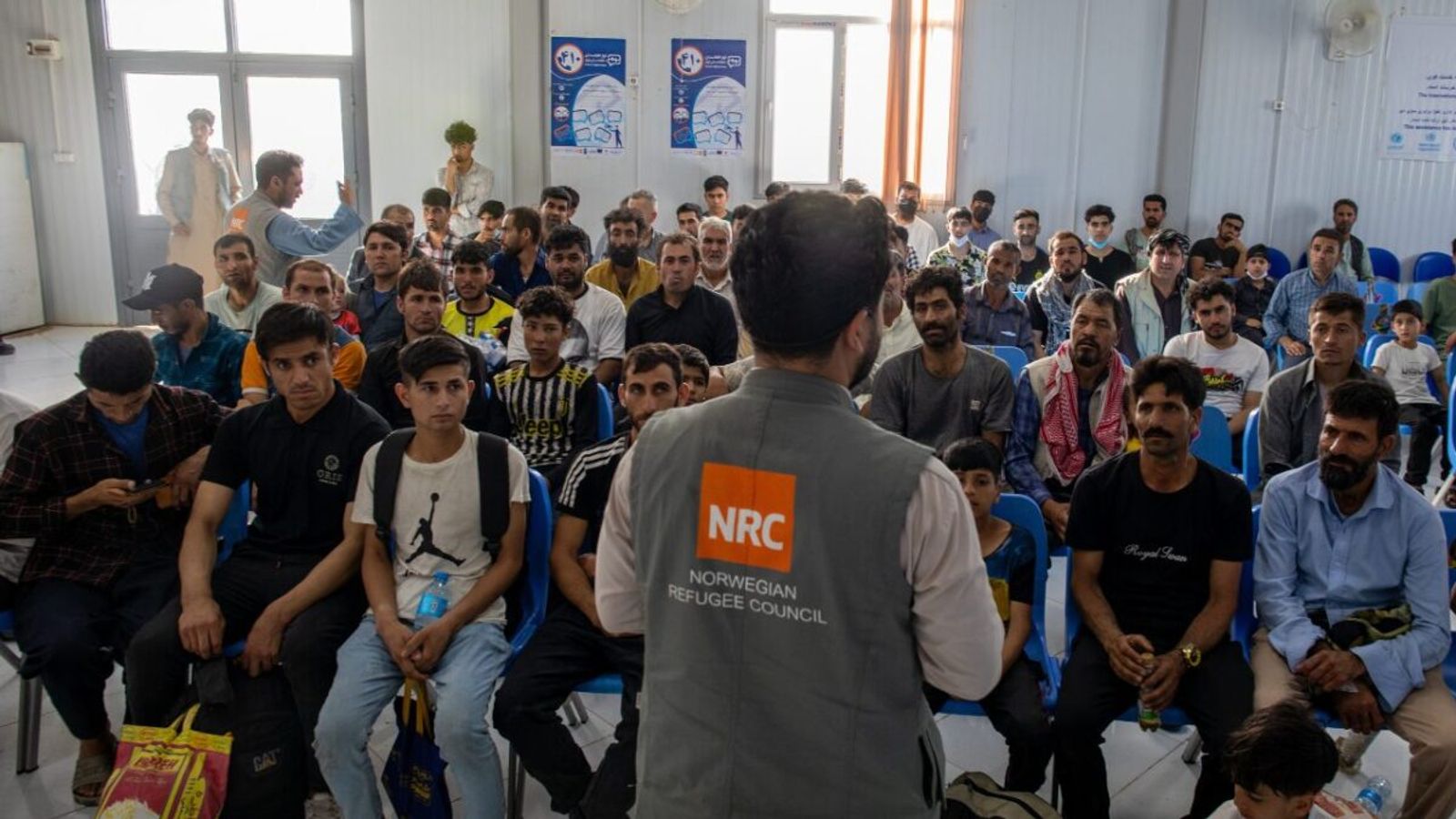
The United Nations Office on Drugs and Crime and the International Organization for Migration issued a joint statement on World Day Against Trafficking in Persons warning that overlapping crises have sharply increased vulnerability to human trafficking in Afghanistan.
The agencies cited mass forced returns from neighboring countries, economic collapse, the decline of the opium economy, reduced humanitarian aid, natural disasters, and restrictions on women's rights as key factors driving the risks. Returnees, women, children, and internally displaced persons were identified as particularly exposed to forced labor, debt bondage, sexual exploitation, and other abuses.
Assessments showed that only 11 percent of surveyed returnees are fully employed or own a business, while 56 percent of returnee families cannot meet basic needs and nearly half rely on debt. The organizations called for stronger prevention measures, improved victim identification and support, expanded sustainable livelihoods, and enhanced regional cooperation to address the vulnerabilities.
Read the original reporting at Amu TV →
Reliability assessment
5 independent outlets corroborate the core event of the UNODC-IOM joint statement and its key details; consistent reporting on the warning, crises, and statistics across sources.
The source language mixes facts with framing or advocacy wording. Afghanistan International: "crushing economic pressures", "trap of debt bondage", "very concerning" - these phrases add emotional weight and negative judgment to the economic and social conditions beyond neutral reporting.
Across the newsrooms
Where reports agree
- UNODC and IOM released a joint statement marking World Day Against Trafficking in Persons highlighting rising trafficking risks in Afghanistan.
- Multiple crises (mass forced returns, opium economy decline, reduced humanitarian aid, natural disasters, women's rights restrictions) are increasing vulnerability.
- Returnee economic data: 11% employed/own business, 56% unable to meet basic expenses, nearly half relying on debt.
- Calls for coordinated prevention, victim protection, livelihood support, and regional cooperation.
Where reports differ
- Minor variations in spelling and naming of UNODC representative (Polok Ok Sri, Polik Ok Seri, Ghada Waly).
Filed by 5 outlets
Amu TV
Originating
Reported straight
Reported straight
Ariana News
Reported straight
Reported straight
Hasht-e Subh
Reported straight
Reported straight
Khaama Press
Reported straight
Reported straight
Afghanistan International
Framed
Framed
Filed under
Society — UNODC, IOM, human trafficking, Afghan returnees, World Day Against Trafficking in Persons
Reader supported
Keep Ehtebar running
Every published story uses paid tools to translate reporting, compare sources, extract claims, and produce a clearer read on Afghanistan. Reader support helps keep that work independent.
€5
helps cover daily verification runs
€15
supports a week of source comparison
€50
keeps independent analysis moving
More in Society
Health Officials and Experts Discuss Rise in Black Jaundice Cases in Afghanistan
— Reliable
Discussion on Agricultural Products and Health Services in Samangan Province
— Reliable
WHO Report Cites Taliban Restrictions and Funding Shortfalls as Threats to Health Services in Afghanistan
— Reliable
Afghan officials report returns of families from Pakistan and Iran alongside releases from Pakistani prisons
— Reliable