
POLITICS — March 31, 2026
UN Experts Condemn Taliban's Ban on Women Entering UN Offices, Urge Diplomatic Pressure
UN experts condemned the Taliban's ban on Afghan women entering UN offices since September 2025 as a direct attack on women's rights and urged a unified UN response and diplomatic pressure from member states to end it immediately. The restrictions, enforced by Taliban forces, threaten humanitarian operations and worsen conditions for women.
The Ehtebar Desk — originates with Afghanistan International — corroborated by Hasht-e Subh and Amu TV — 2 min read
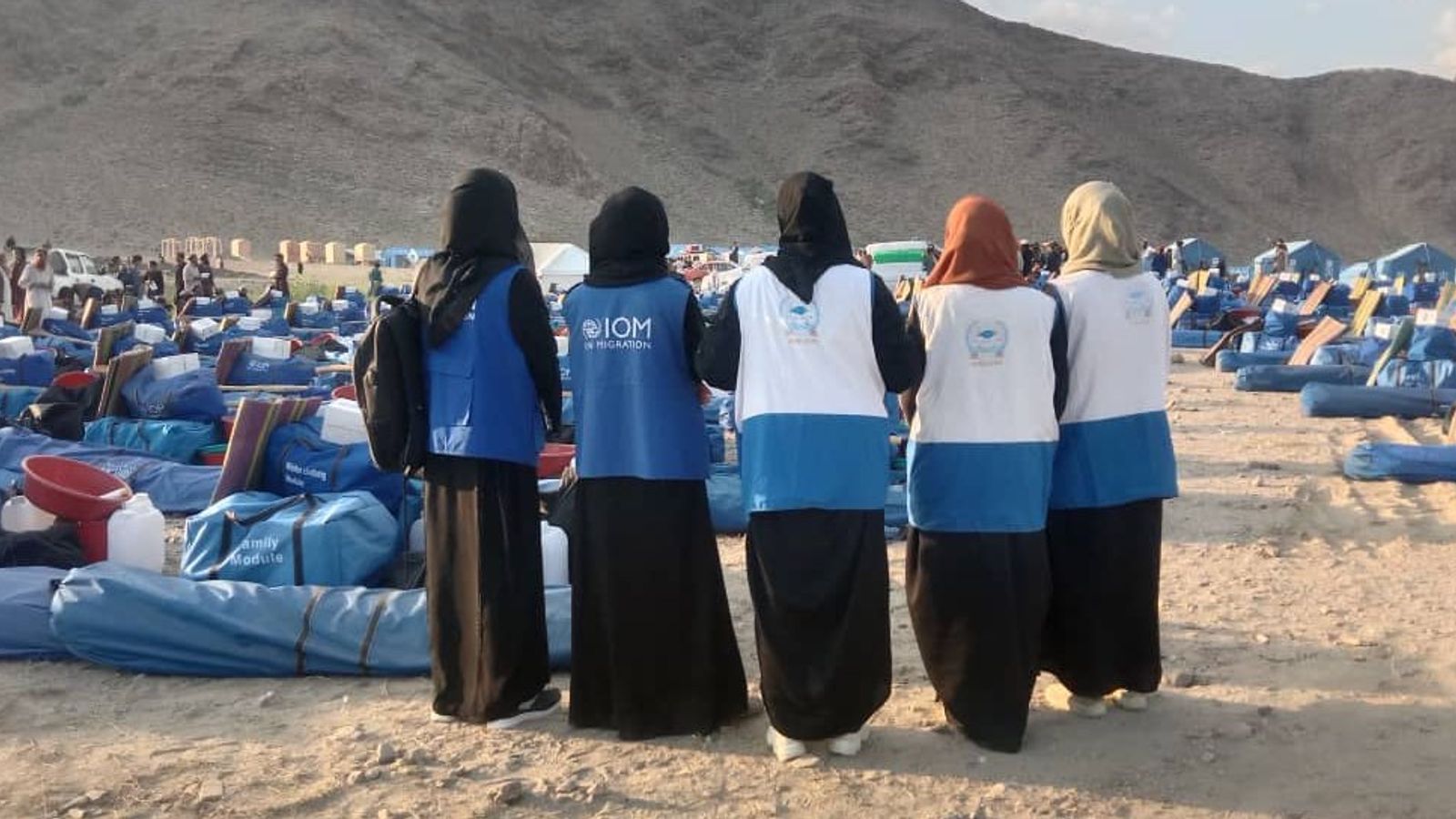
A group of United Nations experts issued a joint statement on March 31 condemning the Taliban's ban on Afghan women entering UN offices in Afghanistan, describing it as a direct attack on women's rights.
The restrictions, which began in September 2025, prohibit Afghan women, including UN staff, contractors and visitors, from accessing UN offices and camps. The UN experts highlighted that Taliban armed forces are deployed at the entrances of UN offices to enforce the ban.
The experts called for UN agencies to adopt a unified and strong stance against the restrictions and urged member states to apply diplomatic pressure on the Taliban to lift the ban immediately. They also appealed for solidarity with Afghan women and emphasized the need for a coordinated response, including from the UN Secretary-General.
The statement warned that the ban exacerbates the socio-economic hardships faced by Afghan women and poses serious risks to humanitarian operations, disproportionately affecting women and girls who rely on these services.
The UN experts stressed that the restrictions violate international law and undermine Afghanistan's future by denying women the right to work and participate in essential aid efforts.
Read the original reporting at Afghanistan International →
Reliability assessment
3 independent outlets consistently report the core event of UN experts' joint statement condemning the Taliban's ban on women entering UN offices since September 2025, with matching key details on calls for action and impacts; direct attribution to named entity (UN experts' statement).
The source language mixes facts with framing or advocacy wording. Afghanistan International: "deep concern" (mild emotional framing in narration); "direct attack on women's rights" and "shocking" (strong advocacy phrasing from experts presented prominently).; Hasht-e Subh: "direct attack on women's rights", "clear violation of women's rights", and "serious obstacle" mix neutral reporting with advocacy phrasing and emotional loading by framing the policy as an aggressive assault and urgent crisis.
Across the newsrooms
Where reports agree
- UN experts issued a joint statement on or around March 31, 2026 (11 Hamal), condemning the Taliban's ban on women entering UN offices since September 2025
- The ban is a direct attack on women's right to work
- Taliban forces enforce the ban at UN entrances
- Experts urge unified UN response, diplomatic pressure from member states, and support for Afghan women
- Consequences include worsened socio-economic conditions for women and risks to humanitarian aid
Where reports differ
- Minor phrasing variations: 'shocking' (Afghanistan International) vs 'shameful' (Amu TV); Hasht-e Subh does not specify descriptive term
- Explicit call on UN Secretary-General for coordinated response in Afghanistan International and Hasht-e Subh; implied in Amu TV
Filed by 3 outlets
Afghanistan International
Originating
Framed
Framed
Hasht-e Subh
Framed
Framed
Amu TV
Reported straight
Reported straight
Filed under
Politics — UN experts, Taliban, women's rights, work ban, diplomatic pressure
Reader supported
Keep Ehtebar running
Every published story uses paid tools to translate reporting, compare sources, extract claims, and produce a clearer read on Afghanistan. Reader support helps keep that work independent.
€5
helps cover daily verification runs
€15
supports a week of source comparison
€50
keeps independent analysis moving
More in Politics

Islamic Emirate Leader Orders 21 New Appointments Across Government Posts
— Reliable
Discussion Held on Presenting Achievements of Government Program in Media
— Reliable
Supreme Court of the Islamic Emirate of Afghanistan Outlines Judicial Reforms and Achievements
— Unverified
Ministry of Information and Culture of the Islamic Emirate of Afghanistan Announces Annual Activities and Achievements
— Reliable