
SOCIETY — May 3, 2026
UN Officials and Islamic Emirate of Afghanistan Address Media Challenges on World Press Freedom Day
UN officials warned of severe funding cuts and restrictions facing Afghan media on World Press Freedom Day, while the Islamic Emirate of Afghanistan highlighted its continued support and recent licensing approvals for new outlets.
The Ehtebar Desk — originates with Pajhwok — corroborated by Khaama Press and Hasht-e Subh — 2 min read
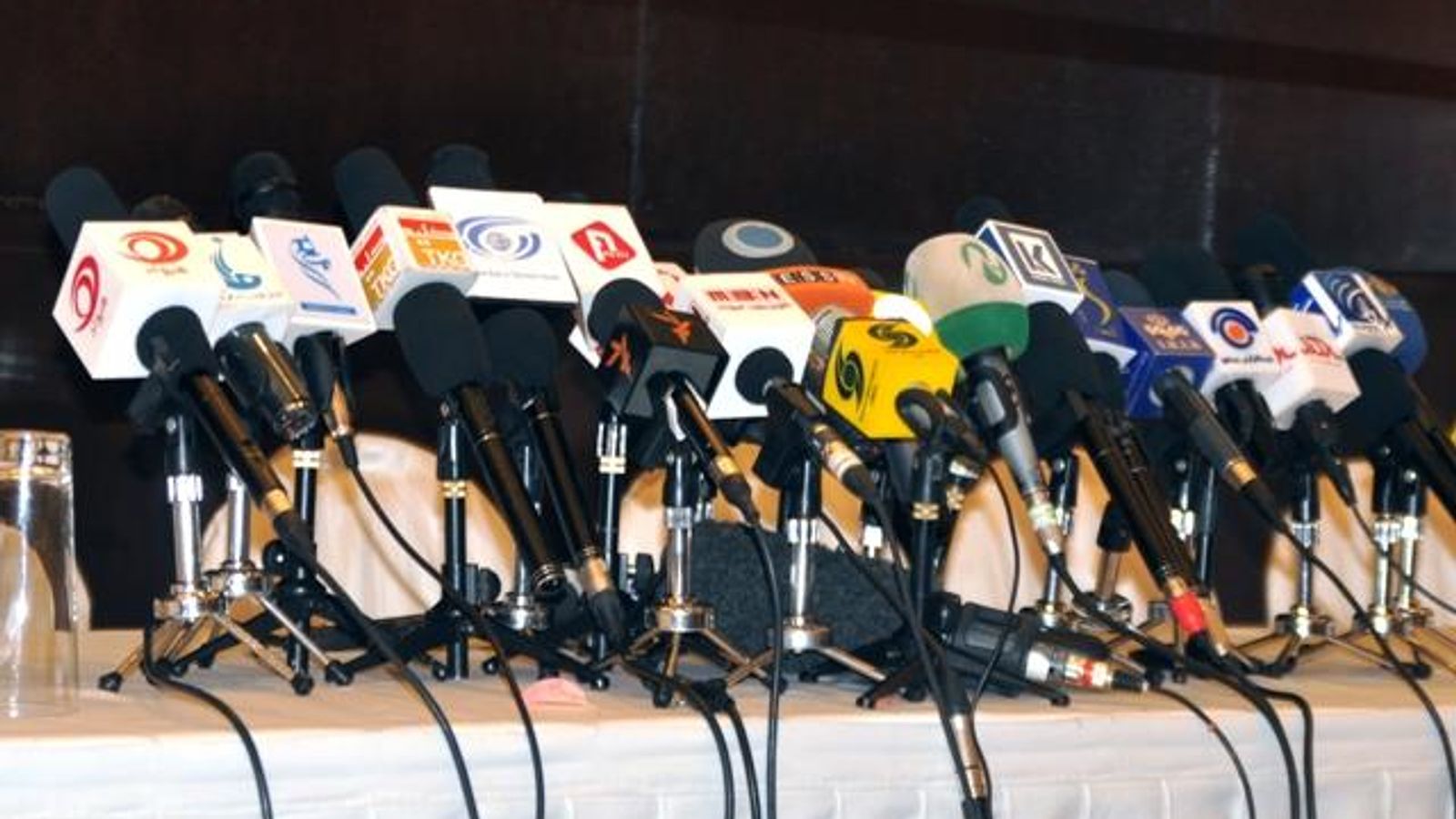
United Nations officials and representatives of the Islamic Emirate of Afghanistan issued statements on World Press Freedom Day addressing the current state of the country’s media sector. UN Special Rapporteur Richard Bennett highlighted severe financial constraints and dwindling international assistance, warning that independent journalism faces a critical operational crisis.
Bennett called on the global community to increase financial and technical support to sustain media outlets operating both inside Afghanistan and in exile. He emphasized that journalists play an essential role in documenting human rights conditions and ensuring public access to information. According to assessments cited by international press freedom organizations, Afghanistan remains one of the most restrictive environments for journalism, marked by widespread outlet closures, censorship, and significant limitations on female reporters.
UNAMA also marked the occasion by underscoring the importance of verified information and freedom of expression in maintaining social stability. In a contrasting assessment, Ministry of Information and Culture spokesperson Khubaib Ghufran stated that the Islamic Emirate continues to support the media sector, provided outlets operate within established national and cultural frameworks. Ghufran noted that authorities have issued more than one hundred and forty new broadcasting and publication licenses during the solar year fourteen hundred and four.
The statements reflect differing perspectives on the media landscape, with UN entities emphasizing funding shortages and operational restrictions, while government officials point to regulatory approvals and institutional backing as indicators of sectoral continuity.
Read the original reporting at Pajhwok →
Reliability assessment
Three independent outlets corroborate the core event: UN officials/entities (Richard Bennett, UNAMA) issued on-record statements on World Press Freedom Day regarding challenges facing Afghan media and calling for international support. Additionally, the Taliban's MoIC spokesperson provided a direct, attributable statement regarding government media policy and licensing. All claims are clearly attributed to named officials or organizations. Differing narratives between UN assessments and IEA statements represent standard multi-source reporting and do not undermine the reliability of the reported statements.
The source language reads straight.
Across the newsrooms
Where reports agree
- UN entities and officials marked World Press Freedom Day (May 3) with statements addressing the state of Afghan media.
- Afghan journalists face significant operational challenges, including funding shortages and restrictive conditions.
- International support is critical for sustaining independent media and ensuring public access to information.
Where reports differ
- Narrative on media environment: UN officials emphasize severe restrictions, funding cuts, and risks to press freedom, while the IEA's MoIC spokesperson claims government support and highlights the licensing of over 140 new media outlets.
- Focus of reporting: Hasht-e Subh and Khaama Press center on Richard Bennett's warnings and RSF data on declining press freedom, whereas Pajhwok focuses on UNAMA's statement and includes the Taliban government's official stance on media licensing and regulation.
Filed by 3 outlets
Pajhwok
Originating
Reported straight
Reported straight
Khaama Press
Reported straight
Reported straight
Hasht-e Subh
Reported straight
Reported straight
Filed under
Society — Richard Bennett, World Press Freedom Day, Afghan Media, UNAMA, Ministry of Information and Culture
Reader supported
Keep Ehtebar running
Every published story uses paid tools to translate reporting, compare sources, extract claims, and produce a clearer read on Afghanistan. Reader support helps keep that work independent.
€5
helps cover daily verification runs
€15
supports a week of source comparison
€50
keeps independent analysis moving
More in Society
Health Officials and Experts Discuss Rise in Black Jaundice Cases in Afghanistan
— Reliable
Discussion on Agricultural Products and Health Services in Samangan Province
— Reliable
WHO Report Cites Taliban Restrictions and Funding Shortfalls as Threats to Health Services in Afghanistan
— Reliable
Afghan officials report returns of families from Pakistan and Iran alongside releases from Pakistani prisons
— Reliable