
SOCIETY — March 22, 2026
UN Rapporteur Calls Ongoing Ban on Afghan Girls' Education 'Unacceptable'
UN Special Rapporteur Richard Bennett called the ongoing ban on girls above sixth grade attending school and women entering university 'unacceptable' as Afghanistan begins a new school year coinciding with Nowruz. The restrictions, in place since the Taliban's return to power, affect over 2.2 million girls per UNICEF and have reversed educational progress, according to UNESCO.
The Ehtebar Desk — originates with Hasht-e Subh — corroborated by Khaama Press and Amu TV — 2 min read
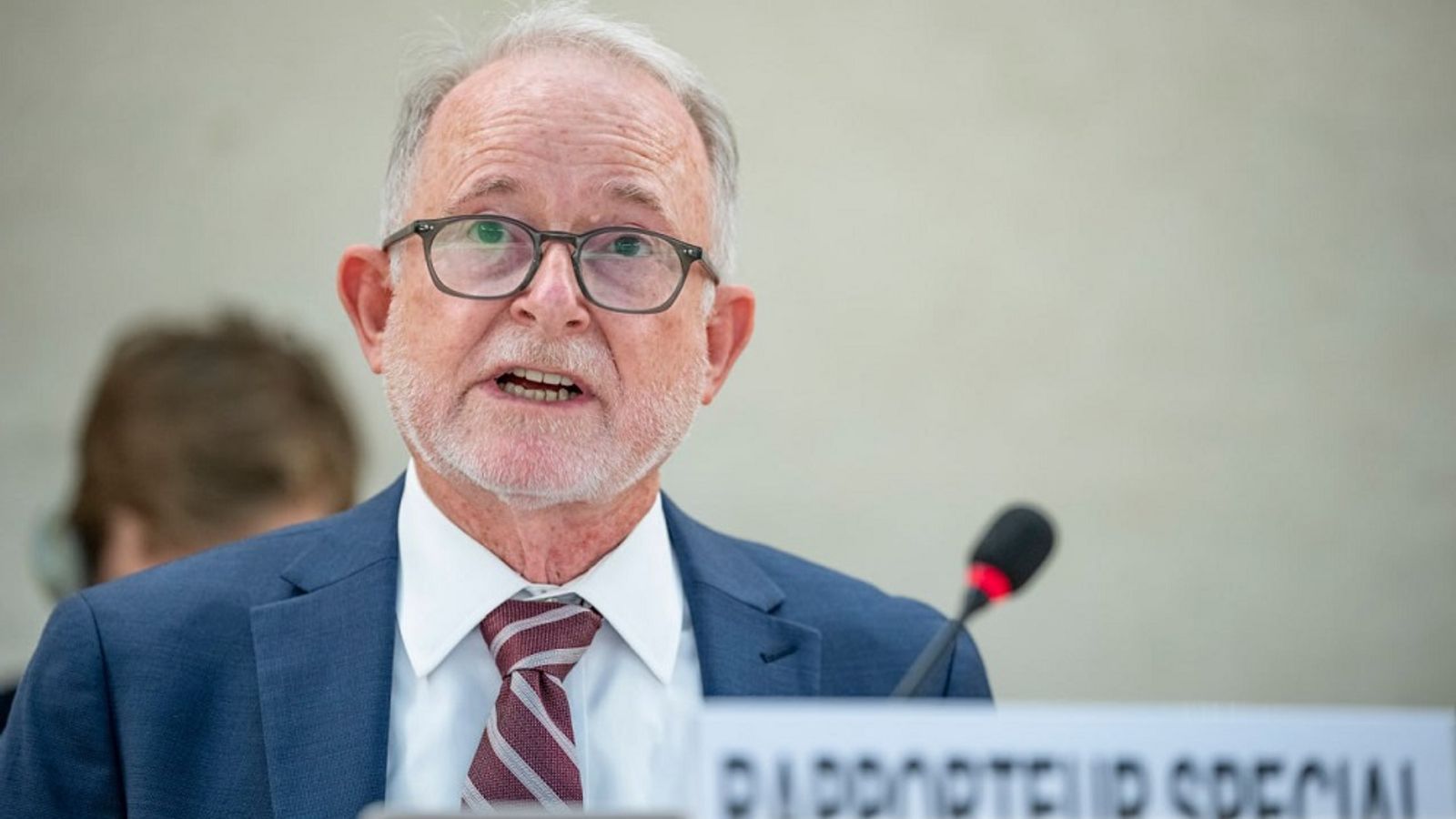
Richard Bennett, the UN Special Rapporteur on human rights in Afghanistan, stated on X that the new school year coincides with Nowruz amid the continued ban preventing girls above the sixth grade from attending school and women from university.
In a message posted on Sunday to mark the solar New Year 1405, Bennett described the restrictions as 'unacceptable' and said they must be lifted. He noted that this marks another school year in which girls above the sixth grade are not allowed to continue their education.
Amu TV reported this as the fourth consecutive year of the ban. The UN Children's Fund has stated that more than 2.2 million girls have been deprived of schooling due to the restrictions.
The United Nations Educational, Scientific and Cultural Organization said in a recent report that Afghanistan's education system faces unprecedented challenges and that the Taliban's restrictive policies have reversed two decades of progress in the sector.
International organizations have emphasized that depriving girls of education has broad social and economic consequences for Afghan society. Human rights activists have warned that the restrictions could lead to further violations of women's rights, including increased forced marriages, and hinder long-term development.
Citizens in parts of the country celebrated Nowruz despite restrictions, seeking moments away from daily pressures. Students and families expressed sorrow and concern over the school closures for girls, with some saying the end of Eid holidays has turned joy into despair.
Read the original reporting at Hasht-e Subh →
Reliability assessment
Multiple independent outlets (Hasht-e Subh, Khaama Press, Amu TV) corroborate the on-record statement by named UN Special Rapporteur Richard Bennett on X, where he described the ongoing ban on girls' education as 'unacceptable'.
The source language mixes facts with framing or advocacy wording. Amu TV: 'شادی عید را برای آنان به غم تبدیل کرده است' (has turned the joy of Eid into sorrow) – emotional framing of personal impact; 'رنج و ناامیدی دخترانشان' (suffering and despair of their daughters) – mild emotional advocacy on girls' plight; 'سیاستهای محدودکننده طالبان، پیشرفتهای دو دهه گذشته... را معکوس کرده است' (Taliban's restrictive policies have reversed two decades of progress) – opinionated judgment on policy effects.; Hasht-e Subh: "deprived of going to school" (title and body: frames educational denial as unjust deprivation); "unacceptable" (Bennett quote emphasized in article: value judgment); "widespread restrictions" (final sentence: advocacy phrasing portraying Taliban policies negatively).
Across the newsrooms
Where reports agree
- Richard Bennett made a statement on X on March 22 (2 Hamal/solar year 1405) about ongoing ban on girls above sixth grade from school and women from university coinciding with Nowruz/new school year
- Restrictions described as unacceptable and must be lifted
- Ongoing since Taliban takeover
Where reports differ
- Amu TV specifies 'fourth consecutive year'; Hasht-e Subh does not quantify
- Amu TV includes citizen celebrations, family/student concerns, activist warnings, UNESCO/UNICEF details; Hasht-e Subh focuses on Bennett and general impacts
Filed by 3 outlets
Hasht-e Subh
Originating
Framed
Framed
Khaama Press
Framed
Framed
Amu TV
Framed
Framed
Filed under
Society — Richard Bennett, girls' education, Taliban, Nowruz, UN Special Rapporteur
Reader supported
Keep Ehtebar running
Every published story uses paid tools to translate reporting, compare sources, extract claims, and produce a clearer read on Afghanistan. Reader support helps keep that work independent.
€5
helps cover daily verification runs
€15
supports a week of source comparison
€50
keeps independent analysis moving
More in Society
Health Officials and Experts Discuss Rise in Black Jaundice Cases in Afghanistan
— Reliable
Discussion on Agricultural Products and Health Services in Samangan Province
— Reliable
WHO Report Cites Taliban Restrictions and Funding Shortfalls as Threats to Health Services in Afghanistan
— Reliable
Afghan officials report returns of families from Pakistan and Iran alongside releases from Pakistani prisons
— Reliable