
ECONOMY — April 17, 2026
UN Report Shows Afghanistan's Trade Deficit Rose to 9.56 Billion Dollars in 2024
A UN report indicates Afghanistan's trade deficit grew from 6.72 billion dollars in 2023 to 9.56 billion dollars in 2024, citing declining aid and other economic challenges as risks for increased poverty and instability.
The Ehtebar Desk — originates with Amu TV — 2 min read
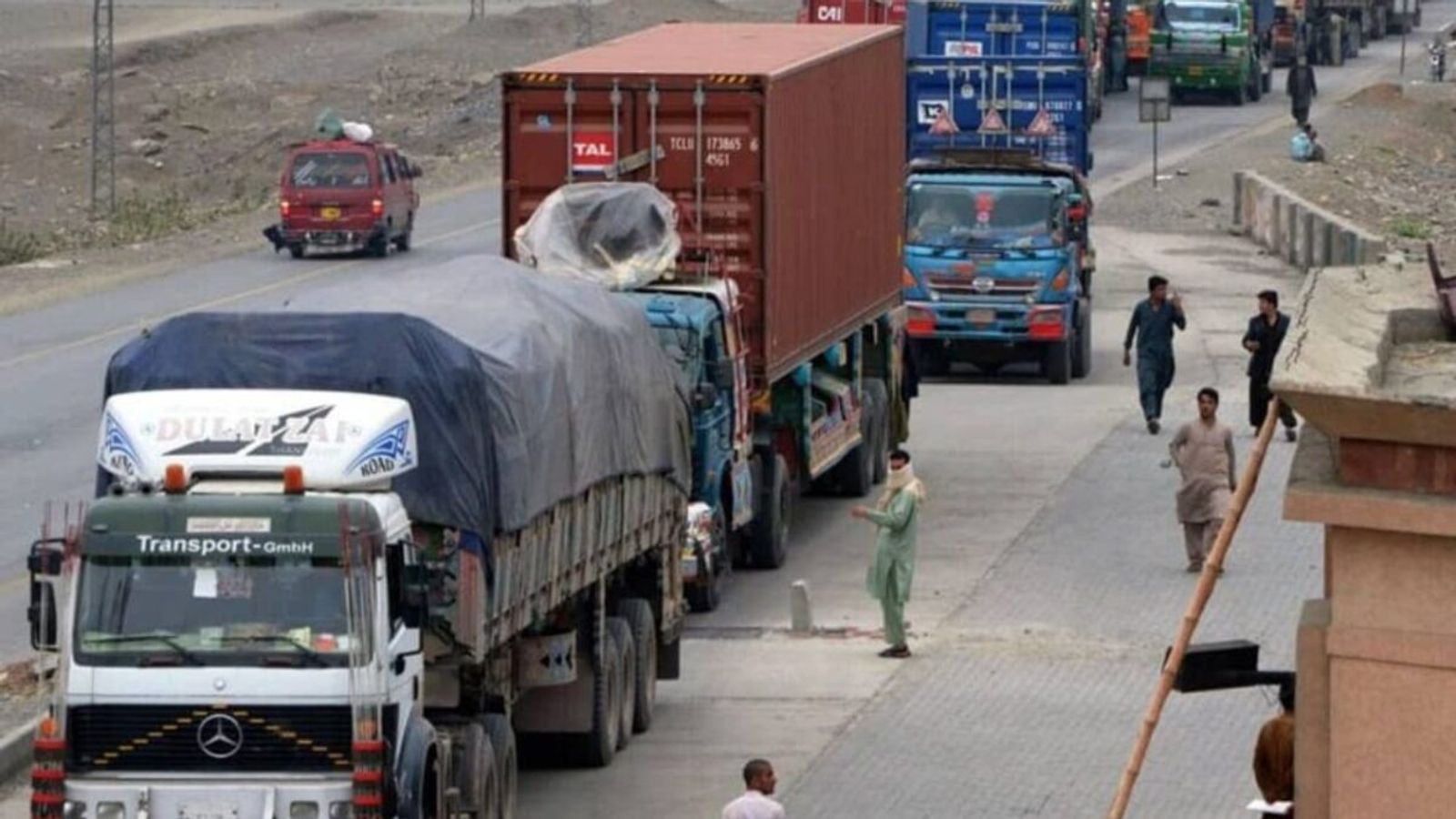
A joint United Nations Development Programme and UN Trade and Development report has documented a significant increase in Afghanistan's trade deficit, which reached 9.56 billion dollars in 2024, up from 6.72 billion dollars in 2023.
The study highlights the Afghan economy's heavy dependence on international aid that continues to decline. This reliance raises concerns about rising poverty, displacement, vulnerability and social instability, with potential implications for regional and global security.
The research was carried out in the provinces of Herat, Nangarhar, Kabul, Kandahar and Balkh. It identifies inadequate infrastructure, a weak banking system and the neglect of small and medium-sized enterprises as key challenges facing the economy.
Small and medium-sized enterprises account for about 80 percent of Afghanistan's economic activities and hold potential for greater women's economic participation. However, they face obstacles including lack of liquidity, limited access to technology and export restrictions.
The report references a World Bank analysis showing a 5.6 percent drop in per capita income due to population growth from returning migrants combined with reduced aid, border closures, drought and earthquakes.
The findings point to the need to tackle these structural issues to mitigate further economic and social pressures.
Read the original reporting at Amu TV →
Reliability assessment
Single source (Amu TV) reports on a specific joint UNDP/UN Trade and Development study with precise, checkable details including exact deficit figures (9.56B vs 6.72B), named provinces, a referenced World Bank report with 5.6% per capita income drop, and direct quotes. Meets criteria for reliable via concrete attribution and verifiable specifics; no conflicting sources present.
The source language reads straight.
Independent web corroboration
An independent web search turned up no separate corroborating reports. Treat the account as single-sourced until more outlets pick it up.
Across the newsrooms
Filed by
Amu TV
Originating
Reported straight
Reported straight
Filed under
Economy — Afghanistan Economy, Trade Deficit, UNDP Report, World Bank, SMEs
Reader supported
Keep Ehtebar running
Every published story uses paid tools to translate reporting, compare sources, extract claims, and produce a clearer read on Afghanistan. Reader support helps keep that work independent.
€5
helps cover daily verification runs
€15
supports a week of source comparison
€50
keeps independent analysis moving
More in Economy
Economic Commission Approves 37 Domestic Standards and 12 Testing Methods
— Reliable

Taliban Governor Says Around 700 Mines Under Extraction in Panjshir
— Reliable
Daily Production at Baghlan's Ghori Cement Factory Increases to 700 Tons
— Reliable
Two Irrigation and Flood-Prevention Projects Completed in Zabul
— Reliable