
SOCIETY — June 23, 2026
UN Warns Life in Remote Areas of Afghanistan Has Become Impossible
Nearly 22 million people require humanitarian assistance in Afghanistan, with only 14 percent of the 1.7 billion dollar budget for 2026 funded amid drought and malnutrition affecting millions of children.
The Ehtebar Desk — originates with Ariana News — 2 min read
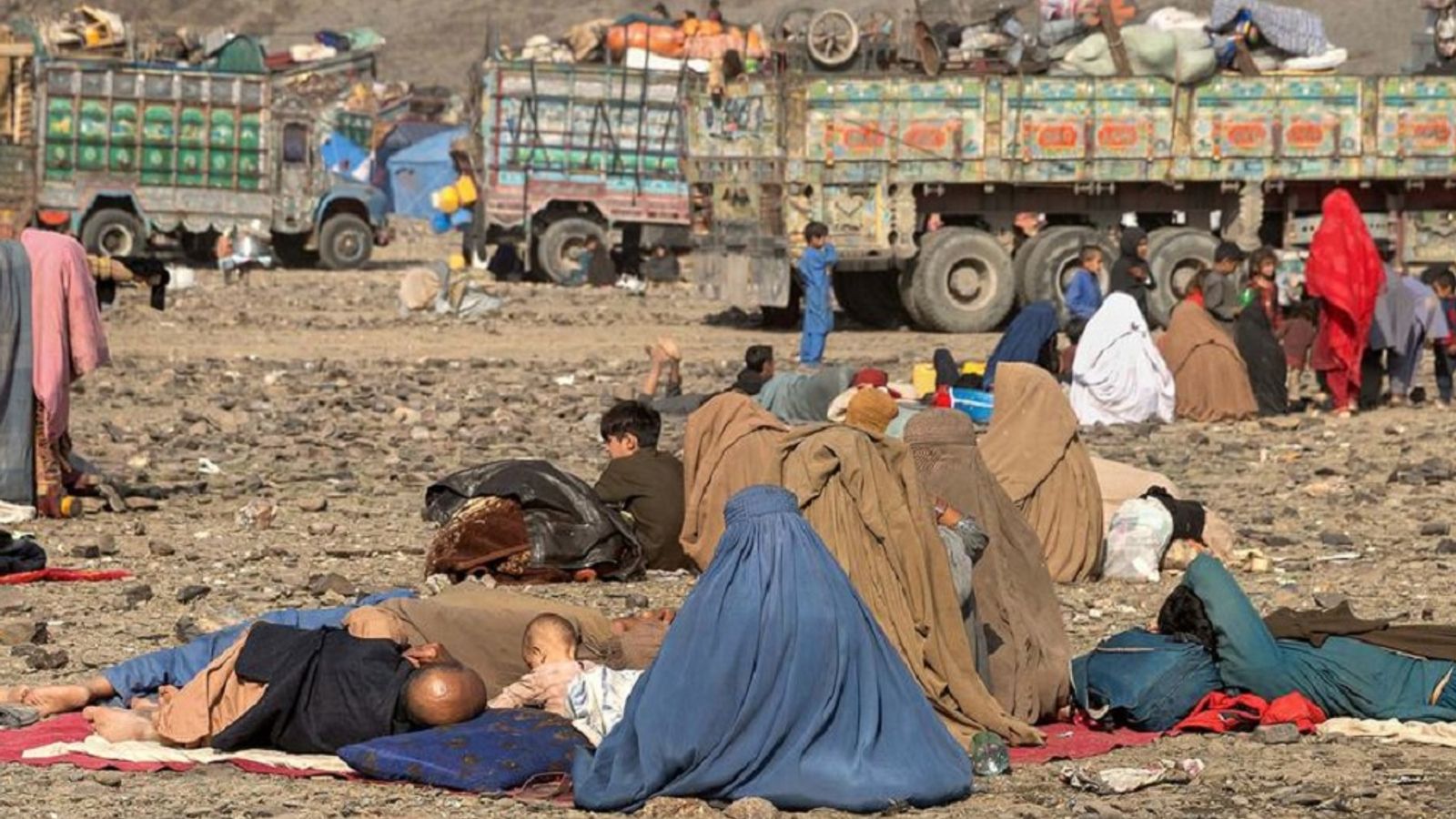
The United Nations has warned that life in some remote areas of Afghanistan has become increasingly difficult or even impossible. The warning points to the combined effects of drought, food insecurity, and a major shortfall in humanitarian funding.
The Office for the Coordination of Humanitarian Affairs has a budget requirement of 1.7 billion dollars for the year 2026. Currently, only 14 percent of this amount has been secured from donors.
Nearly 22 million people across Afghanistan are in need of humanitarian assistance. This includes 3.7 million children who suffer from acute malnutrition. The organization has indicated that millions more could experience greater hunger and displacement if additional support is not provided soon.
Olga Cheryko, an official with OCHA, explained that the prolonged drought has forced many rural families to abandon their homes. In a particular village in Bamyan province, nearly half of the population has already left due to the lack of water for irrigation purposes.
Aid has reached some of the population in the early months of the year. Between January and April, a total of 5.9 million people received at least one form of humanitarian aid. Out of this number, 3.5 million people were provided with food assistance.
The situation in remote areas remains critical as funding gaps continue to limit the reach of relief efforts.
Read the original reporting at Ariana News →
Reliability assessment
Single source (Ariana News) provides direct on-record attribution to OCHA and named official Olga Cheryko with concrete, checkable details including specific budget figures, malnutrition numbers, aid delivery totals, and a named location (Bamyan village).
The source language mixes facts with framing or advocacy wording. Ariana News: "life ... has become increasingly difficult and in some areas even 'impossible'", "confronted millions with serious problems", "forced many families to abandon their homes and lands" — these phrases use emotionally loaded and hyperbolic language to emphasize severity and victimhood.
Independent web corroboration
A separate web search returned 8 matching reports. A selection:
- Afghanistan in crisis: Drought, malnutrition and a worsening humanitarian situation | UN Newsnews.un.org
But with nearly 22 million people in need across Afghanistan and the UN’s $1.7 billion appeal only 14 per cent funded, life is “becoming impossible” in remote areas, the agency warns.
- OCHA: Severe water shortages in Bamyan force people to leave their homes – Shafaqna English | International Shia News & Fatwasen.shafaqna.com
OCHA reported on Tuesday, June 16, that residents of some remote areas of Bamyan say life is “becoming impossible,” and that ...
- UN: Life becoming ‘impossible’ in remote areas of Afghanistan – Shafaqna English | International Shia News & Fatwasen.shafaqna.com
The United Nations has issued a warning that life is becoming increasingly difficult in remote areas of Afghanistan due to a worsening humanitarian crisis.
Across the newsrooms
Filed by
Ariana News
Originating
Framed
Framed
Filed under
Society — United Nations, OCHA, Bamyan, humanitarian crisis, malnutrition
Reader supported
Keep Ehtebar running
Every published story uses paid tools to translate reporting, compare sources, extract claims, and produce a clearer read on Afghanistan. Reader support helps keep that work independent.
€5
helps cover daily verification runs
€15
supports a week of source comparison
€50
keeps independent analysis moving
More in Society
Health Officials and Experts Discuss Rise in Black Jaundice Cases in Afghanistan
— Reliable
Discussion on Agricultural Products and Health Services in Samangan Province
— Reliable
WHO Report Cites Taliban Restrictions and Funding Shortfalls as Threats to Health Services in Afghanistan
— Reliable
Afghan officials report returns of families from Pakistan and Iran alongside releases from Pakistani prisons
— Reliable