
SOCIETY — July 4, 2026
UN Warns of Worsening Drinking Water Shortage in Kabul
Declining groundwater, population growth and climate change are driving the shortages, with projects including the Panjshir River transfer and Shah Tut Dam aimed at supplying up to one hundred million cubic meters of water annually.
The Ehtebar Desk — originates with ToloNews — 2 min read
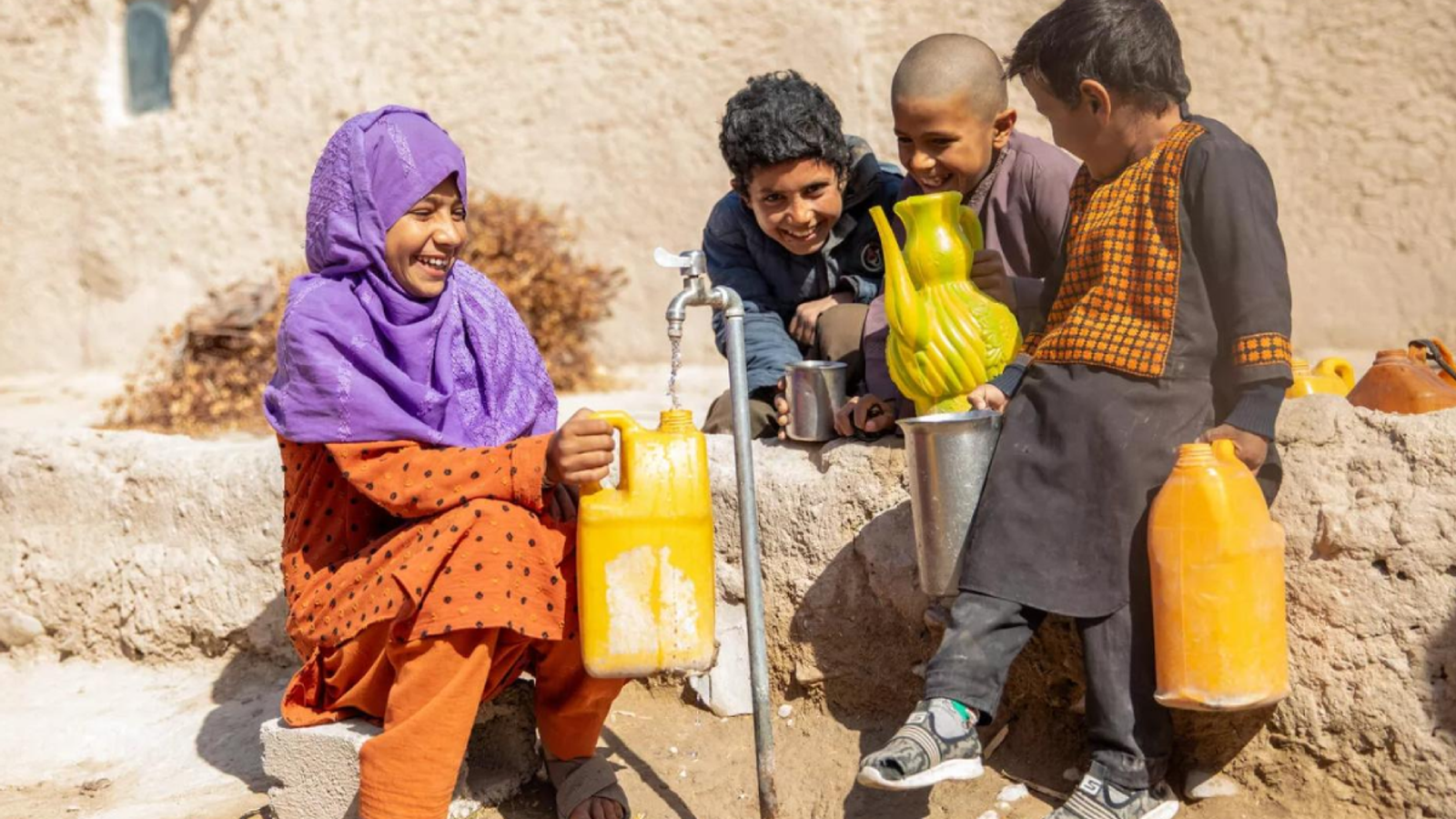
Kabul is facing a severe drinking water shortage driven by declining groundwater levels, rapid population growth and climate change. Millions of residents are affected by the lack of reliable supply.
The UN Human Settlements Programme has warned that the city is experiencing one of the region's most severe water crises. Stefanie Lux stated that the crisis has affected millions and is worsened by rapid population growth and overexploitation of resources.
Afghan officials are advancing projects to address the shortages. The state-owned water supply company is working on water transfer from the Panjshir River and the Shah Tut Dam. Shafiullah Zahedi stated that the Panjshir project is being advanced under the Ministry of Energy and Water to eventually supply Kabul.
Expert Najibullah Sediq stated that the Panjshir basin can transfer one hundred million cubic meters of water annually to Kabul, sufficient for more than three million people.
Read the original reporting at ToloNews →
Reliability assessment
Single source but contains multiple direct on-record statements from named officials (Stefanie Lux, Shafiullah Zahedi) and an expert (Najibullah Sediq) with concrete project details and figures; core event of ongoing Kabul water crisis is corroborated by attributed quotes.
The source language mixes facts with framing or advocacy wording. ToloNews: "one of the most serious challenges", "one of the most severe water crises", "struggling with it" - these phrases add emotional weight and emphasize ongoing hardship without neutral sourcing.
Across the newsrooms
Filed by
ToloNews
Originating
Framed
Framed
Filed under
Society — Kabul, Water Crisis, UN Human Settlements Programme, Panjshir River, Shah Tut Dam
Reader supported
Keep Ehtebar running
Every published story uses paid tools to translate reporting, compare sources, extract claims, and produce a clearer read on Afghanistan. Reader support helps keep that work independent.
€5
helps cover daily verification runs
€15
supports a week of source comparison
€50
keeps independent analysis moving
More in Society
Health Officials and Experts Discuss Rise in Black Jaundice Cases in Afghanistan
— Reliable

Discussion on Agricultural Products and Health Services in Samangan Province
— Reliable
WHO Report Cites Taliban Restrictions and Funding Shortfalls as Threats to Health Services in Afghanistan
— Reliable
Afghan officials report returns of families from Pakistan and Iran alongside releases from Pakistani prisons
— Reliable