
SOCIETY — March 22, 2026
UNESCO Calls for Women's Inclusion in Water Management on World Water Day
UNESCO called for greater inclusion of women in water management on World Water Day, noting their key role in securing water despite underrepresentation in leadership. In Afghanistan, nearly one-third of the population lacks safe drinking water per UNICEF, with women bearing much of the burden in rural areas.
The Ehtebar Desk — originates with Khaama Press — 2 min read
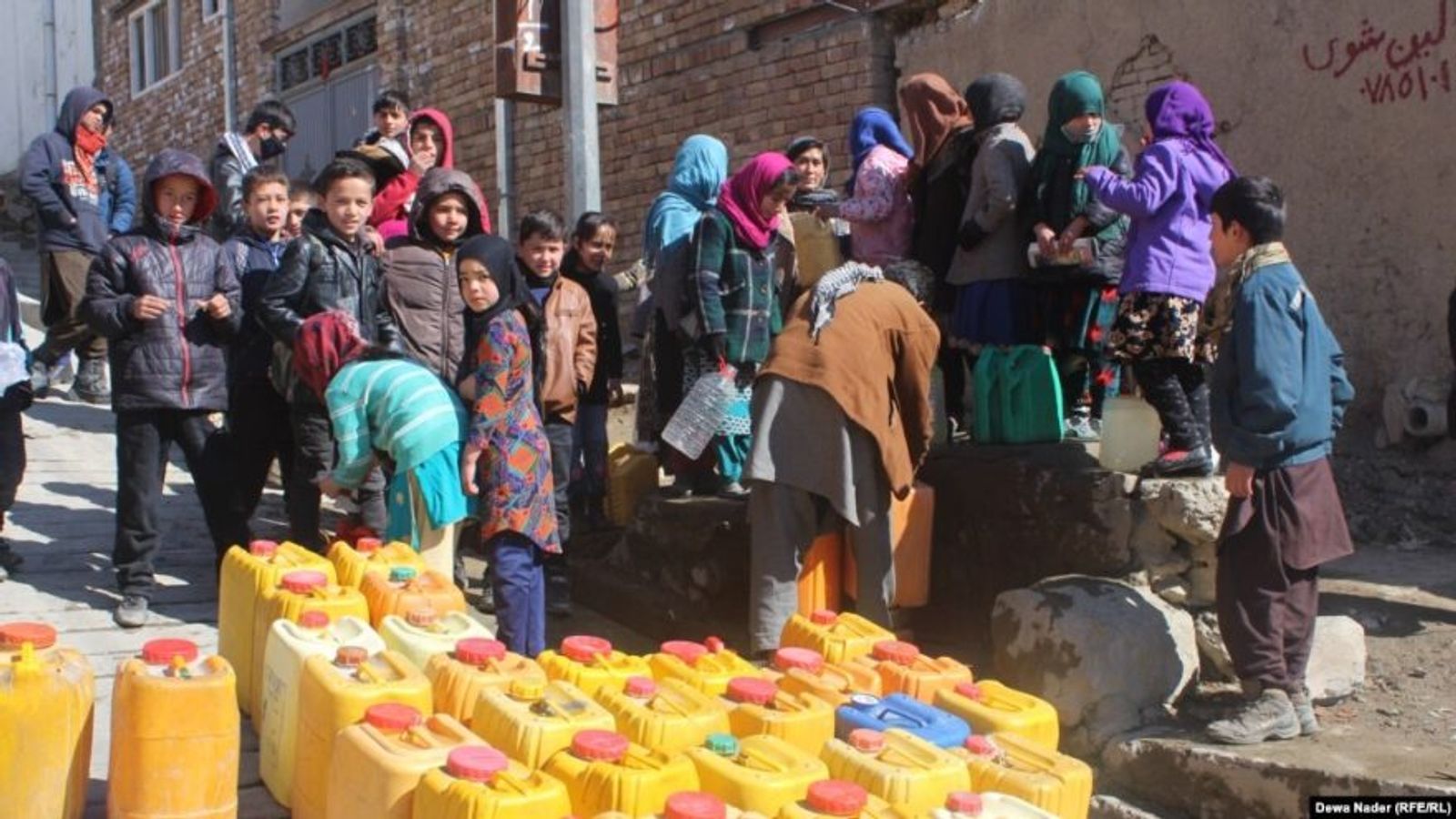
UNESCO marked World Water Day by calling for greater inclusion of women in water management and leadership positions. The agency highlighted that women and girls play a key role in securing water for families worldwide but remain underrepresented in decision-making processes.
The organization stressed the need for equal participation of women to achieve inclusive and sustainable water solutions. It noted that inequalities continue to shape access to water resources globally, with millions facing shortages, including in Afghanistan.
According to UNICEF, nearly one-third of Afghanistan's population lacks access to safe drinking water. Women bear the burden of daily water-related tasks, particularly in rural areas where limited infrastructure forces them to handle water collection, cooking, washing and childcare, increasing physical and emotional strain.
UNESCO's statement underscores the urgent need to address both water scarcity and gender inequality. Improving women's roles in water management could lead to more effective and equitable solutions worldwide.
The United Nations designated March 22 as World Water Day to raise awareness about the importance of water and promote sustainable management of water resources globally.
Read the original reporting at Khaama Press →
Reliability assessment
Single source provides direct, on-record attribution to UNESCO statements and cites UNICEF with concrete statistics; 'X said Y' from named organizations is verifiable regardless of single sourcing
The source language mixes facts with framing or advocacy wording. Khaama Press: "women bearing the burden" (advocacy phrasing emphasizing gender inequality); "increasing their physical and emotional strain" (mild emotional framing of women's hardship); "urgent need to address both water scarcity and gender inequality" (advocacy language presenting solutions as imperative).
Independent web corroboration
A separate web search returned 8 matching reports. A selection:
- World Water Day 2026: Where water flows, equality grows | Smart Watersmartwatermagazine.com
At an international level, the ... for equal representation of women across all areas of water leadership, from infrastructure design and policy making to engineering, applied science, agricultural water management and community leadership
In addition, 22 March 2026 marks World Water Day, with a focus on water, women and gender equality.
- World Water Day 2026: Gender and Water Equality — Global campaigns emphasize women’s ...medindia.net
on March 22, centers on the theme “Water and Gender,” highlighting the strong link between gender inequality and water access (1✔ ✔Trusted Source UNESCO World Water Day Go to source).
- Women and girls bearing brunt of water shortages globally, UN warns | Women | The Guardiantheguardian.com
The UN has called on countries to address the imbalance, which is leading to poorer health and worse educational prospects for women, while also affecting food security. Khaled El-Enany, the director general of Unesco, said: “Ensuring women’s ...
Across the newsrooms
Filed by
Khaama Press
Originating
Framed
Framed
Filed under
Society — UNESCO, World Water Day, Afghanistan, water scarcity, gender inequality
Reader supported
Keep Ehtebar running
Every published story uses paid tools to translate reporting, compare sources, extract claims, and produce a clearer read on Afghanistan. Reader support helps keep that work independent.
€5
helps cover daily verification runs
€15
supports a week of source comparison
€50
keeps independent analysis moving
More in Society
Health Officials and Experts Discuss Rise in Black Jaundice Cases in Afghanistan
— Reliable
Discussion on Agricultural Products and Health Services in Samangan Province
— Reliable
WHO Report Cites Taliban Restrictions and Funding Shortfalls as Threats to Health Services in Afghanistan
— Reliable
Afghan officials report returns of families from Pakistan and Iran alongside releases from Pakistani prisons
— Reliable