INTERNATIONAL — April 25, 2026
US and Iranian Delegations Arrive in Islamabad for Indirect Talks
US and Iranian delegations are convening in Islamabad for Pakistan-mediated indirect talks, with no direct meetings scheduled. The discussions proceed amid a strict security lockdown in the Pakistani capital and ongoing regional tensions.
The Ehtebar Desk — originates with Khaama Press — corroborated by RTA and Amu TV — 2 min read
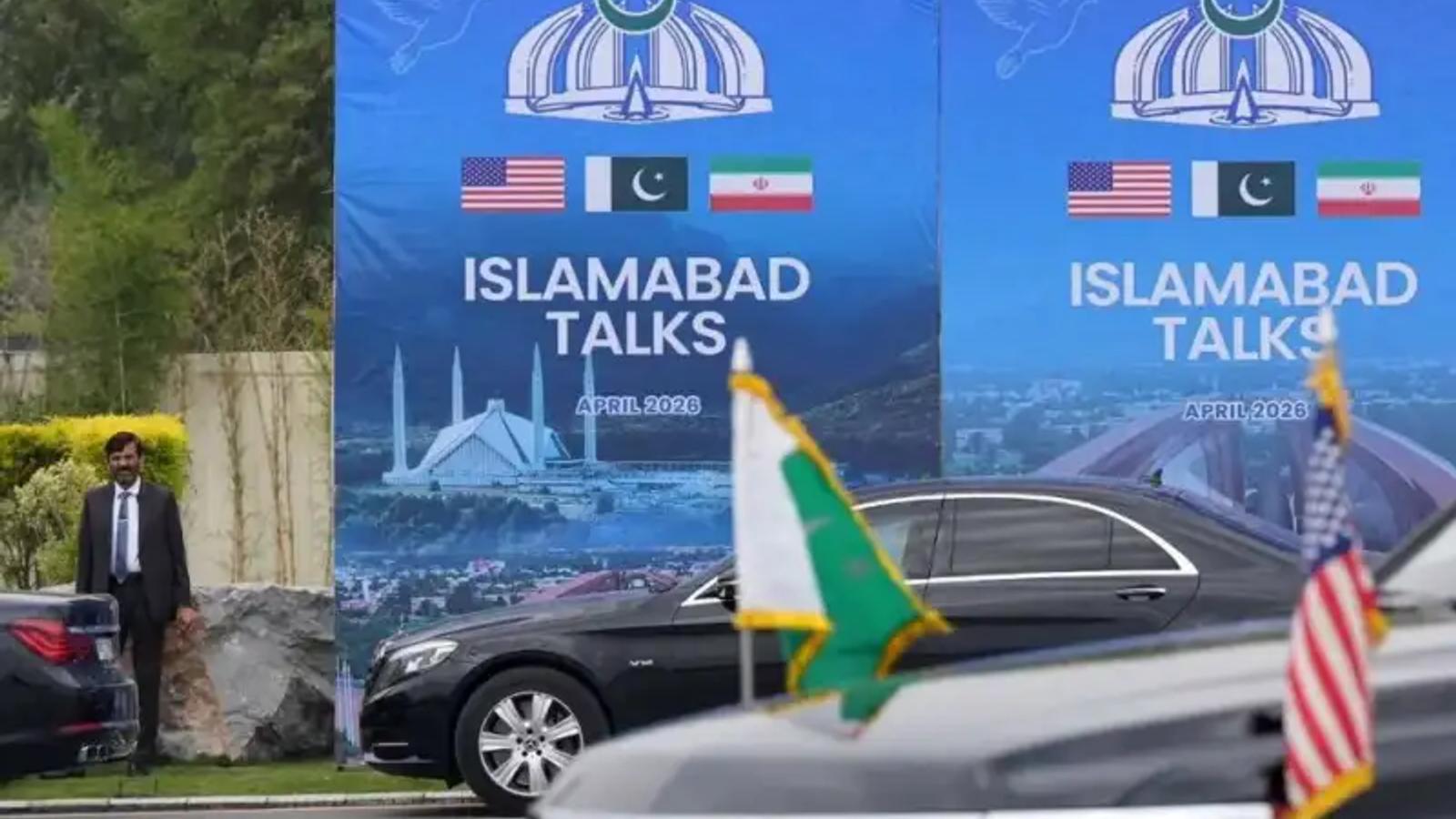
A United States negotiating delegation led by Steve Witkoff and Jared Kushner is traveling to Islamabad on Saturday to engage in diplomatic discussions with Iran. Iranian Foreign Minister Abbas Araghchi has already arrived in the Pakistani capital to lead his country’s delegation. The White House publicly confirmed the travel itinerary, marking the second round of Pakistan-mediated negotiations between Washington and Tehran.
The talks will be conducted exclusively through indirect channels, with Pakistani officials acting as neutral facilitators. Both the Iranian Foreign Ministry and US representatives have confirmed that no direct face-to-face meetings between American and Iranian diplomats are scheduled. All proposals and diplomatic responses will be formally exchanged through the Pakistani mediation team.
President Donald Trump stated that Washington maintains ongoing dialogue with Iranian officials and expects Tehran to submit a formal proposal addressing US demands. Iranian spokespersons have consistently clarified that all communications will remain routed through established third-party channels. In preparation for the diplomatic activity, Islamabad authorities have imposed a strict security lockdown across the city, which includes major road closures and the temporary evacuation of several hotels. The indirect negotiations proceed amid heightened regional tensions concerning maritime security in the Strait of Hormuz.
Read the original reporting at Khaama Press →
Reliability assessment
All three independent outlets corroborate the core event: US and Iranian delegations are convening in Islamabad for Pakistan-mediated indirect talks. Key details including delegation leadership, location, and the indirect format are consistent across sources. Supplementary details (security measures, contextual framing) vary but do not contradict the central facts. Attribution is direct and concrete, citing White House announcements, Iranian FM/spokesperson statements, and diplomatic sources.
The source language reads straight.
Across the newsrooms
Where reports agree
- US envoys (Witkoff and Kushner) are traveling to Islamabad on Saturday.
- Iranian delegation, led by FM Abbas Araghchi, is already in Islamabad.
- Talks are indirect and mediated by Pakistan; no direct US-Iran meetings are planned.
- Pakistan is acting as a neutral facilitator for the negotiations.
Where reports differ
- Khaama Press reports extensive security lockdowns and hotel evacuations in Islamabad, which are not mentioned by Amu TV or RTA.
- Amu TV highlights Trump's statements on ongoing dialogue and expected Iranian proposals, while RTA focuses on the Iranian spokesperson's clarification on indirect channels, and Khaama Press adds regional context regarding Strait of Hormuz tensions.
Filed by 3 outlets
Khaama Press
Originating
Reported straight
Reported straight
RTA
Reported straight
Reported straight
Amu TV
Reported straight
Reported straight
Filed under
International — US-Iran Diplomacy, Pakistan, Islamabad, Jared Kushner, Abbas Araghchi
Reader supported
Keep Ehtebar running
Every published story uses paid tools to translate reporting, compare sources, extract claims, and produce a clearer read on Afghanistan. Reader support helps keep that work independent.
€5
helps cover daily verification runs
€15
supports a week of source comparison
€50
keeps independent analysis moving