INTERNATIONAL — June 11, 2026
US Launches New Strikes on Targets in Iran
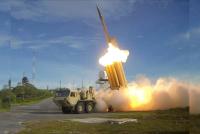
The United States launched military strikes on nearly twenty targets in Iran following the downing of a U.S. helicopter near the Strait of Hormuz, leading to warnings from Iranian officials and a surge in oil prices.
The Ehtebar Desk — originates with Khaama Press — corroborated by Pajhwok, Ariana News, RTA and 1 more — 2 min read
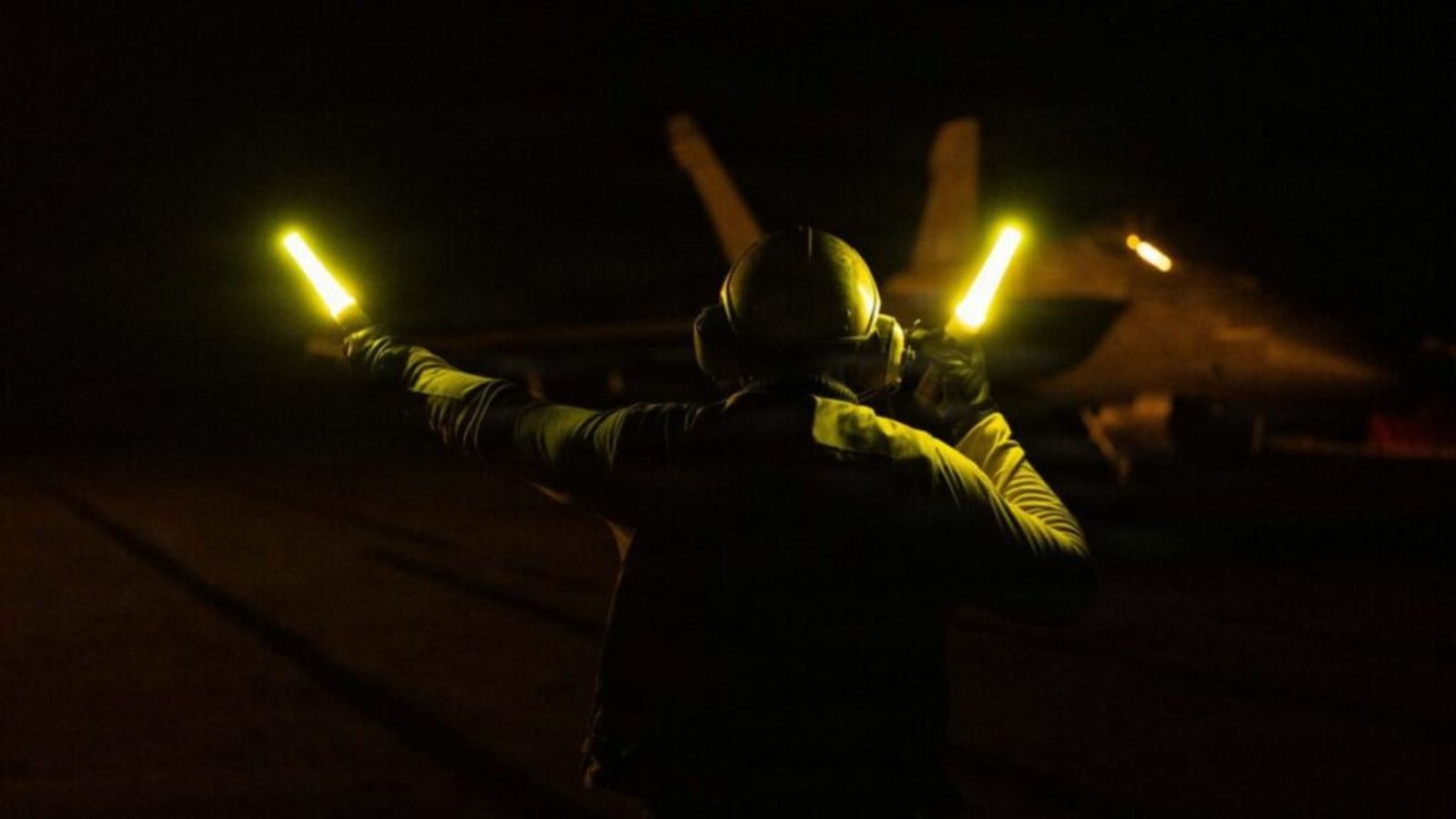
Early Thursday, the United States launched new military strikes on targets in Iran. The action came in the wake of President Donald Trump's pledge to deliver a strong response to recent developments. The U.S. Central Command, or CENTCOM, characterized the strikes as a defensive measure. The goal was to protect U.S. forces and interests in the face of rising tensions in the region. These tensions stem from a cycle of retaliatory actions involving Iran, the United States, and Israel.
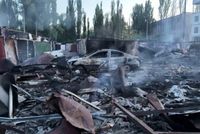
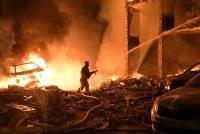
In the course of the operation, U.S. forces targeted nearly twenty sites inside Iran. This response was triggered by the downing of an American Apache helicopter close to the Strait of Hormuz. Earlier, Iran had carried out attacks using missiles and drones on facilities associated with the United States. Those facilities were located in Jordan, Bahrain, and Kuwait. Reports from Iranian media described explosions occurring in western Tehran. They also mentioned air defense activity near the Strait of Hormuz.
Officials in Iran have issued warnings about the possibility of further retaliation. They have simultaneously indicated a willingness to consider a negotiated settlement. Nevertheless, the recent strikes have introduced doubts concerning the likelihood of diplomacy in the near term. The situation has affected global oil markets, causing prices to surge sharply. The increase is attributed to concerns about the security of oil supplies passing through the Strait of Hormuz. Broader efforts to achieve ceasefires in the Middle East have also been affected, with added uncertainty resulting from the latest military actions.
Read the original reporting at Khaama Press →
Reliability assessment
Five outlets (Khaama Press, Pajhwok, Ariana News, RTA, Amu TV) corroborate the core event of US strikes on Iranian targets; multiple independent sources confirm the incident occurred.
The source language mixes facts with framing or advocacy wording. Khaama Press: "rapidly escalating tensions", "cast doubt on the prospects for a near-term breakthrough", "rattled global markets" — these phrases introduce emotional framing and negative implications about instability and failure without neutral sourcing.
Across the newsrooms
Filed by 5 outlets
Khaama Press
Originating
Framed
Framed
Pajhwok
Reported straight
Reported straight
Ariana News
Reported straight
Reported straight
RTA
Reported straight
Reported straight
Amu TV
Framed
Framed
Filed under
International — US-Iran strikes, Donald Trump, CENTCOM, Strait of Hormuz, Pete Hegseth
Reader supported
Keep Ehtebar running
Every published story uses paid tools to translate reporting, compare sources, extract claims, and produce a clearer read on Afghanistan. Reader support helps keep that work independent.
€5
helps cover daily verification runs
€15
supports a week of source comparison
€50
keeps independent analysis moving