INTERNATIONAL — March 28, 2026
Uzbekistan Says Excessive Water Withdrawal from Qosh Tepa Canal Could Create Risks
Uzbekistan's Water Resources Minister has warned that Afghanistan's large-scale water withdrawal from the Qosh Tepa Canal could harm Uzbek agriculture if it reaches four billion cubic meters. The canal project is currently on hold due to electricity shortages as the Taliban continue work on the 285-kilometer waterway to irrigate 580,000 hectares.
The Ehtebar Desk — originates with Amu TV — corroborated by Afghanistan International — 2 min read
Uzbekistan's Water Resources Minister Shoukat Khamrayev has warned that if Afghanistan withdraws more than two billion cubic meters of water from the Qosh Tepa Canal and potentially up to four billion cubic meters, it could create risks for Uzbekistan's agriculture.
Khamrayev explained that a withdrawal of about two billion cubic meters of water would not have a serious impact on Uzbekistan. However, he cautioned that four billion cubic meters could create risks for its agricultural sector.
The Uzbek minister noted that his country recognizes Afghanistan's right to use water from the Amu Darya. Yet the specific volume of water that is withdrawn remains the main topic of discussion between the two countries.
According to the minister, implementation of the Qosh Tepa Canal project is currently halted primarily due to a lack of electricity for pumps.
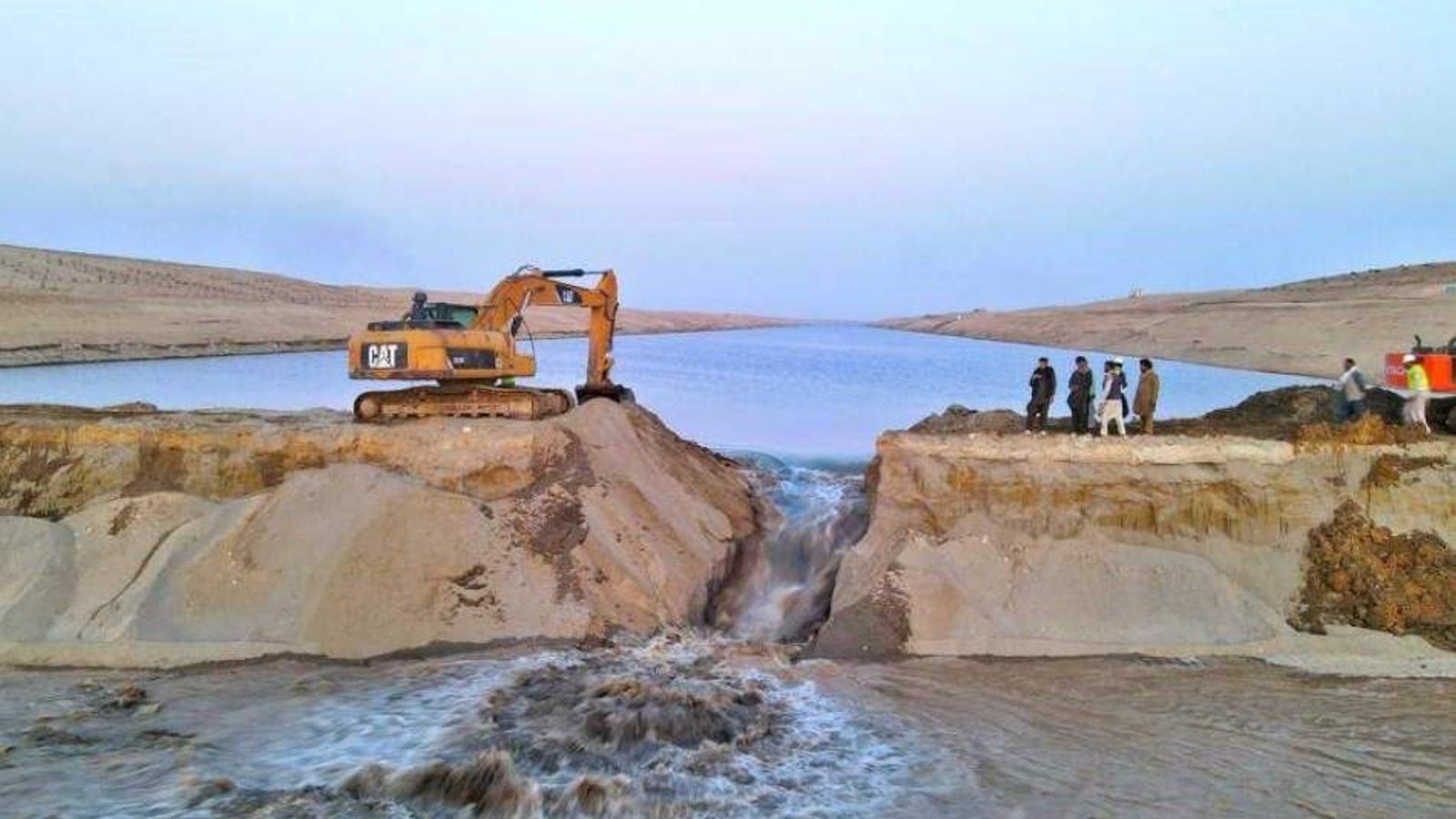
The Taliban have accelerated work on the 285-kilometer canal since they returned to power. The project is expected to irrigate 580,000 hectares in northern Afghanistan by drawing water from the Amu Darya.
Phase one of the canal, which stretches 108 kilometers from the Amu Darya to Dawlat Abad district, was inaugurated in Miizan 1402 and was completed ahead of schedule.
The second phase, which is 177 kilometers long, is now under survey and design.
The full Qosh Tepa Canal is 285 kilometers long, measures 8.5 meters in width, and transfers 668.4 cubic meters of water per second.
Read the original reporting at Amu TV →
Reliability assessment
Single source with direct, on-record attribution to named public figure (Uzbekistan's Minister of Water Resources Shoukat Khamrayev) providing concrete details including specific water volume figures (2 vs 4 billion cubic meters), project status, and technical specifications. Per guidelines, statements by named officials are reliable as the fact that 'X said Y'.
The source language reads straight.
Independent web corroboration
An independent web search turned up no separate corroborating reports. Treat the account as single-sourced until more outlets pick it up.
Across the newsrooms
Where reports agree
- Uzbekistan's Minister of Water Resources made specific statements regarding Afghan water use from the Qosh Tepa Canal and its potential impacts
- Afghanistan has the right to use the water but volume is a point of discussion
- The Qosh Tepa Canal project involves transferring Amu Darya water for northern Afghan agriculture and has raised concerns in neighboring countries
- The first phase of the canal has been completed and inaugurated by the Taliban administration
- The canal has specific technical dimensions and is expected to irrigate 580,000 hectares
Filed by 2 outlets
Amu TV
Originating
Reported straight
Reported straight
Afghanistan International
Reported straight
Reported straight
Filed under
International — Qosh Tepa Canal, Uzbekistan, Amu Darya, Water Resources, Shoukat Khamrayev
Reader supported
Keep Ehtebar running
Every published story uses paid tools to translate reporting, compare sources, extract claims, and produce a clearer read on Afghanistan. Reader support helps keep that work independent.
€5
helps cover daily verification runs
€15
supports a week of source comparison
€50
keeps independent analysis moving