
POLITICS — February 17, 2026
Why Secularism?
Hasht-e Subh commentary argues secularism counters political Islam's dominance in Afghanistan, aids women's rights by separating religion from public life, but does not solve ethnic conflicts or fully address gender inequality.
The Ehtebar Desk — originates with Hasht-e Subh — 2 min read
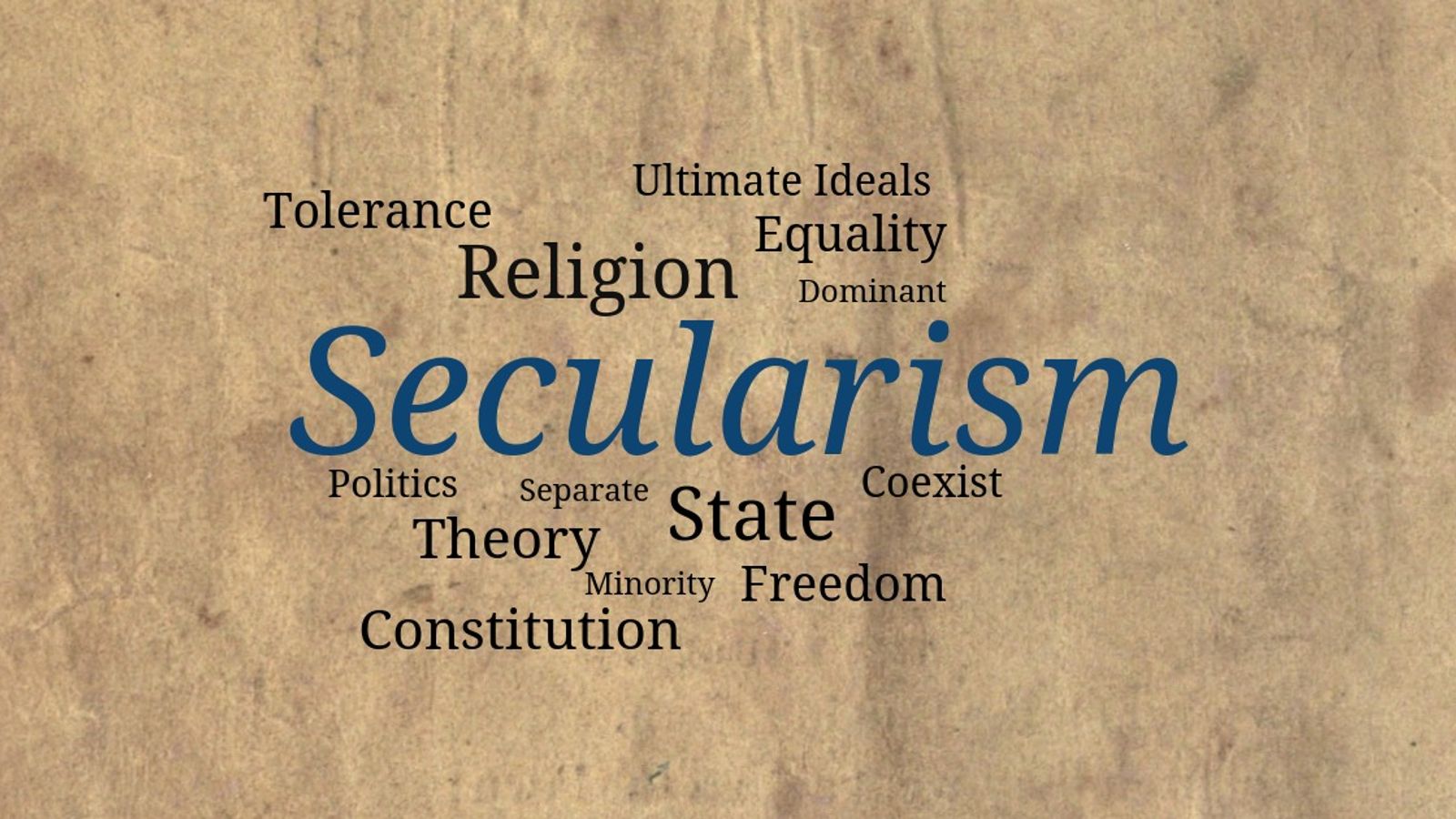
A commentary in Hasht-e Subh argues that secularism is not the solution to all of Afghanistan's social and political problems but specifically addresses the dominance of political theology and Islamic politics in the public sphere, society, and politics.
The piece defines democratic secular politics as a system where understanding of the state is based on rationality, law, and human political will. The government is responsible for organizing and administering society, not leading people to paradise. It holds no ideological or divine sanctity and derives entirely from autonomous human will, rejecting political fatalism and entrusting political destiny to human agency. Religion is excluded from social-political legislation, with lawmaking rights given to humans.
In this system, religion does not interfere in government policymaking or the three branches of power—executive, judiciary, and legislative—nor does the state intervene in religious affairs or bear responsibility for religion. Government employees, institutions, schools, state universities, and all state-affiliated bodies remain neutral in the public domain, neither supporting nor opposing religion. The state recognizes no official religion, funds no religious institutions, and allows religious bodies to operate within civil laws. Religion is considered a private matter with no role in the public sphere, and modern penology replaces religious rulings in judiciary matters.
The commentary states that secularism provides a clear answer to one question: ending the socio-political dominance of political theology. However, Afghanistan faces numerous issues, each requiring specific solutions. Secularism does not resolve ethnic contradictions, ethnic supremacy, or ethnic political greed. It aids women's emancipation but is not the sole path to gender equality; women's rights movements should promote it alongside other efforts.
Benefits for women include relegating religion to the private sphere, removing religious barriers to issues like mandatory veiling and women's public participation; placing women under protective secular laws that reject ideological gender subordination and faith-based violence; and equalizing women with men in the public domain by eliminating religiously fueled male superiority.
Secularism does not address national or ethnic issues and can be implemented democratically or dictatorially, citing examples from Turkey, Iraq under Saddam Hussein, Syria under Bashar al-Assad, and Afghanistan's own history.
Read the original reporting at Hasht-e Subh →
Reliability assessment
Single-source opinion piece presenting philosophical arguments without verifiable facts, events, attributions, or corroboration from other outlets.
Across the newsrooms
Filed by
Hasht-e Subh
Originating
Filed under
Politics — secularism, Afghanistan, political Islam, women's rights, ethnic issues
Reader supported
Keep Ehtebar running
Every published story uses paid tools to translate reporting, compare sources, extract claims, and produce a clearer read on Afghanistan. Reader support helps keep that work independent.
€5
helps cover daily verification runs
€15
supports a week of source comparison
€50
keeps independent analysis moving
More in Politics

Islamic Emirate Leader Orders 21 New Appointments Across Government Posts
— Reliable

Discussion Held on Presenting Achievements of Government Program in Media
— Reliable
Supreme Court of the Islamic Emirate of Afghanistan Outlines Judicial Reforms and Achievements
— Unverified
Ministry of Information and Culture of the Islamic Emirate of Afghanistan Announces Annual Activities and Achievements
— Reliable