
SOCIETY — March 23, 2026
Women's Freedom Lantern Movement: Nowruz Symbolizes Victory of Light Over Darkness Amid Rights Bans
The Women's Freedom Lantern Movement of Afghan Women stated that Nowruz symbolizes light's victory over darkness amid Taliban bans depriving females of education and work rights. The group urged international support as secondary and higher education remains closed to girls above sixth grade and women in their fourth year under the restrictions.
The Ehtebar Desk — originates with Amu TV — 2 min read
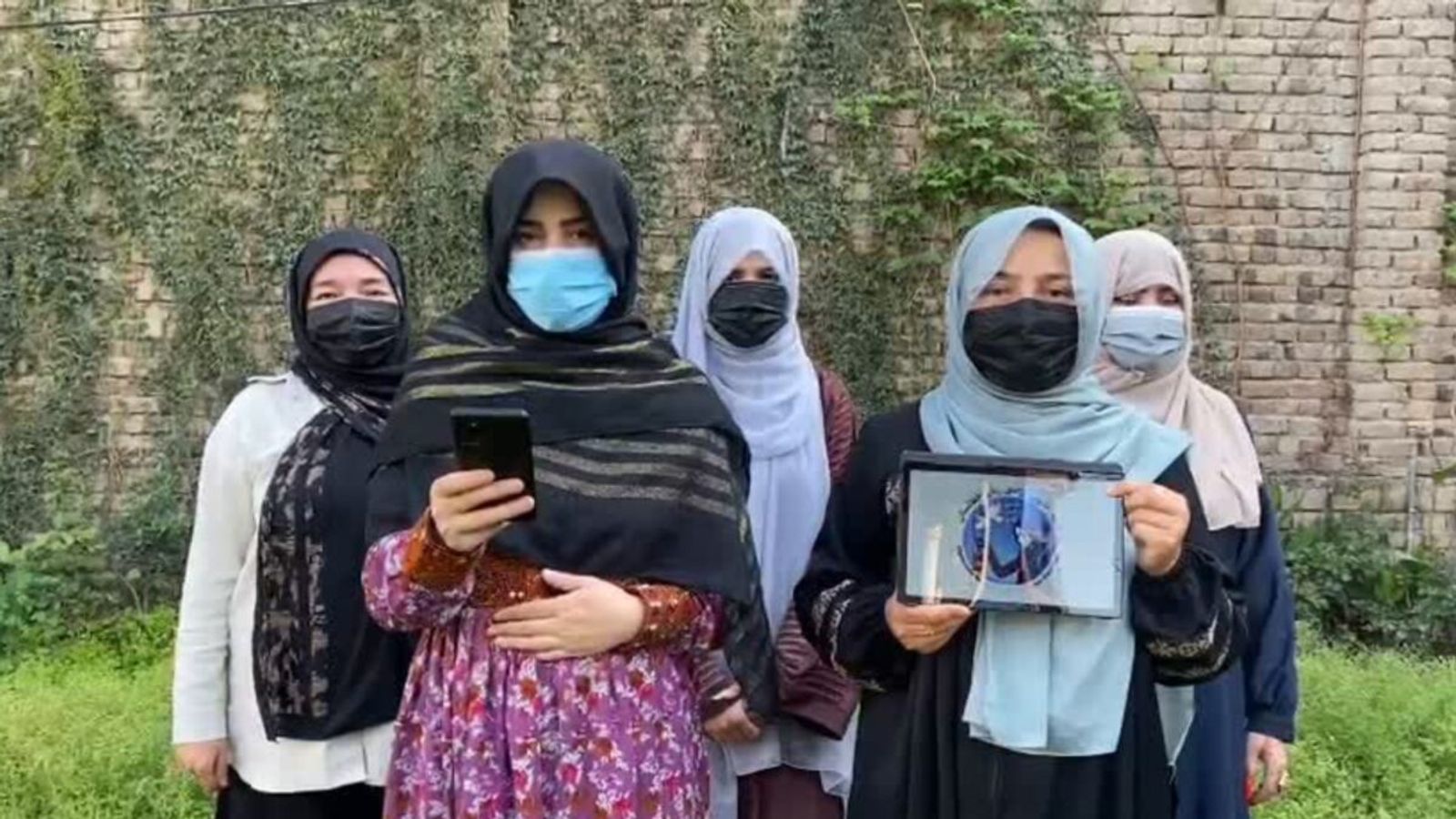
The Women's Freedom Lantern Movement of Afghan Women issued a statement marking Nowruz, describing it as a symbol of the inevitable victory of light over darkness and spring over the winter of tyranny.
The group said the new solar year has arrived while Afghan women and girls remain deprived of basic human rights, including education, work and free movement. They emphasized that although schools and universities are closed to girls above the sixth grade and women, the flame of knowledge will not be extinguished in their hearts.
The statement read: "We, with lanterns in hand, search for the path to freedom in the alleys and backstreets of this Yalda night."
Members defined the real spring as the day when no girl sheds tears behind the closed doors of school and no woman is imprisoned at home for the crime of being a woman. They added: "We believe that winter is passing and shame will remain on the coal."
The movement called on the international community and human rights institutions to stand with justice-seeking Afghan women in the new year, rather than remaining mere spectators.
The Taliban have begun the fourth year of education without the presence of girls above the sixth grade in secondary schools and women in universities.
Read the original reporting at Amu TV →
Reliability assessment
Single source (Amu TV) provides direct reporting of an on-record statement from the named Women's Freedom Lantern Movement, including concrete quotes and details; the Taliban education ban is a verifiable ongoing policy.
The source language mixes facts with framing or advocacy wording. Amu TV: "inevitable victory of light over darkness", "winter of tyranny", "flame of knowledge" – these phrases employ metaphorical and poetic language to emotionally frame oppression as darkness/tyranny and resistance as enduring light/knowledge, blending advocacy with reporting.
Independent web corroboration
An independent web search turned up no separate corroborating reports. Treat the account as single-sourced until more outlets pick it up.
Across the newsrooms
Filed by
Amu TV
Originating
Framed
Framed
Filed under
Society — Women's Freedom Lantern Movement, Taliban, Nowruz, Afghan women, education ban
Reader supported
Keep Ehtebar running
Every published story uses paid tools to translate reporting, compare sources, extract claims, and produce a clearer read on Afghanistan. Reader support helps keep that work independent.
€5
helps cover daily verification runs
€15
supports a week of source comparison
€50
keeps independent analysis moving
More in Society
Health Officials and Experts Discuss Rise in Black Jaundice Cases in Afghanistan
— Reliable
Discussion on Agricultural Products and Health Services in Samangan Province
— Reliable
WHO Report Cites Taliban Restrictions and Funding Shortfalls as Threats to Health Services in Afghanistan
— Reliable
Afghan officials report returns of families from Pakistan and Iran alongside releases from Pakistani prisons
— Reliable