
SOCIETY — March 23, 2026
World Food Programme Warns Middle East Tensions Could Worsen Hunger in Afghanistan
The World Food Programme warns that food transport disruptions from Middle East tensions, including ship rerouting due to insecurity in key sea lanes, could worsen hunger in Afghanistan where one-third of the population relies on aid. About 70,000 tons of food are stuck, alternative routes have raised costs, and experts fear a broader crisis if issues persist until June.
The Ehtebar Desk — originates with Amu TV — corroborated by ToloNews — 2 min read
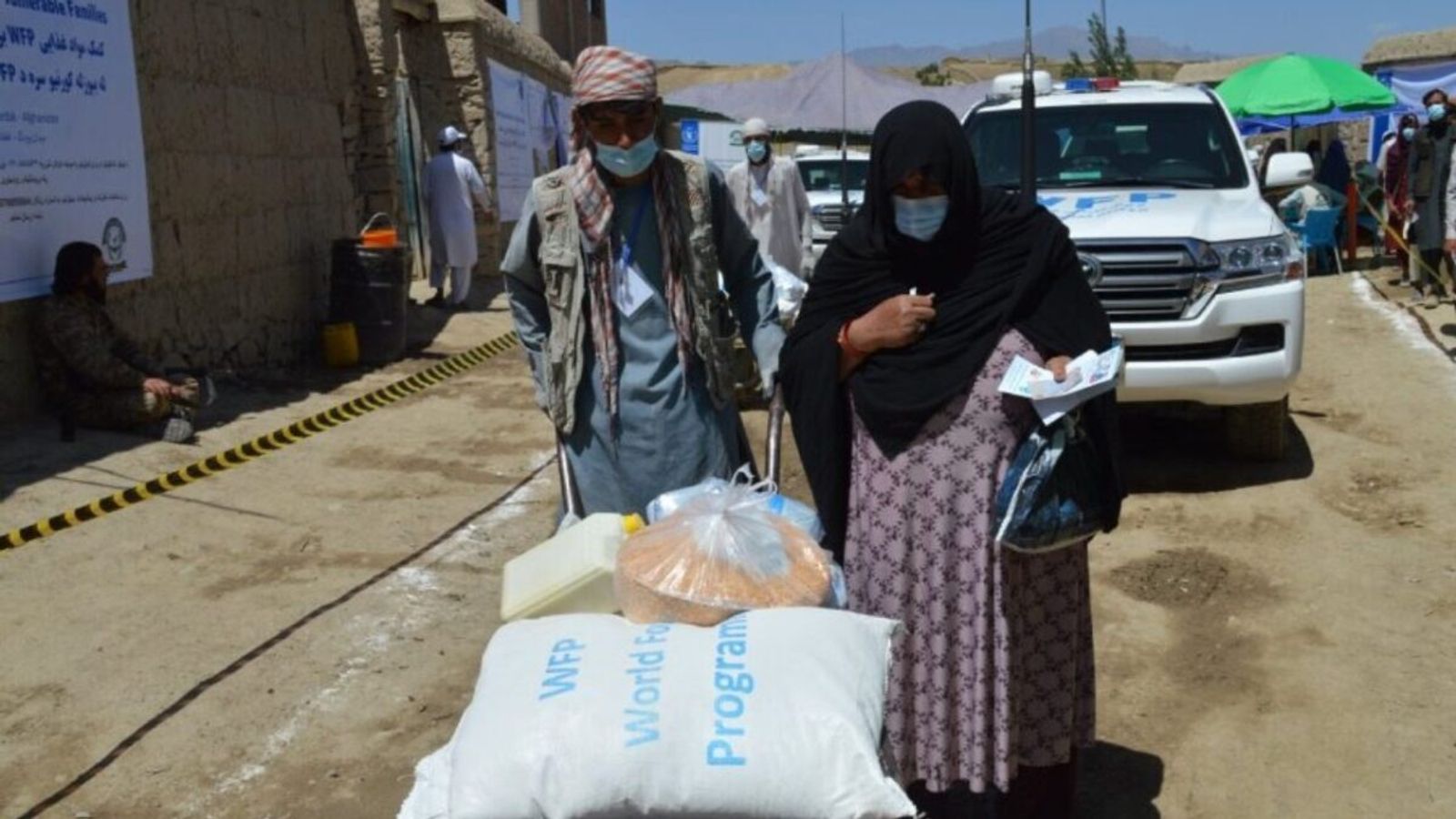
The World Food Programme has warned that disruptions in food transport due to Middle East tensions could exacerbate hunger in Afghanistan, where one-third of the population faces food shortages and relies on humanitarian aid, according to UN assessments.
Corinne Fleischer, the organization's supply chain director, stated that about 70,000 tons of food are stuck due to logistical problems and ship rerouting. She added that if the disruptions continue until June, the number of people facing severe food shortages could rise to 45 million worldwide.
To deliver aid to Afghanistan, the World Food Programme has activated alternative land routes from the United Arab Emirates through Saudi Arabia, Jordan and Turkey. These routes have significantly increased transportation and fuel costs.
Insecurity in the Strait of Hormuz and the Red Sea has forced ships to take the longer route around the Cape of Good Hope in southern Africa, raising both time and costs. Some food items, including wheat and other essentials, have also faced delays en route through countries like Yemen and the Democratic Republic of Congo.
The disruptions come amid heightened military tensions in the Middle East following US and Israeli operations against Iran in late February, including threats to close the Strait of Hormuz and reciprocal attacks in the region.
Experts caution that continued disruptions could further limit access to food for vulnerable countries like Afghanistan and worsen the humanitarian crisis.
Read the original reporting at Amu TV →
Reliability assessment
Two outlets (Amu TV, ToloNews) corroborate the World Food Programme's warning, directly attributed to named supply chain director Corinne Fleischer with concrete details including 70,000 tons of stuck food and potential hunger impacts.
The source language reads straight.
Independent web corroboration
An independent web search turned up no separate corroborating reports. Treat the account as single-sourced until more outlets pick it up.
Across the newsrooms
Where reports agree
- WFP warns of worsening hunger in Afghanistan due to food transport disruptions from Middle East tensions
- Corinne Fleischer (named WFP official) provides specific details on stuck food shipments and potential global impact
- UN assessments confirm one-third of Afghans face food shortages
- Alternative land routes activated with higher costs
- Sea route insecurities cause rerouting around Cape of Good Hope
Filed by 2 outlets
Amu TV
Originating
Reported straight
Reported straight
ToloNews
Reported straight
Reported straight
Filed under
Society — World Food Programme, food insecurity, Afghanistan, Middle East tensions, Strait of Hormuz
Reader supported
Keep Ehtebar running
Every published story uses paid tools to translate reporting, compare sources, extract claims, and produce a clearer read on Afghanistan. Reader support helps keep that work independent.
€5
helps cover daily verification runs
€15
supports a week of source comparison
€50
keeps independent analysis moving
More in Society

Health Officials and Experts Discuss Rise in Black Jaundice Cases in Afghanistan
— Reliable

Discussion on Agricultural Products and Health Services in Samangan Province
— Reliable

WHO Report Cites Taliban Restrictions and Funding Shortfalls as Threats to Health Services in Afghanistan
— Reliable

Afghan officials report returns of families from Pakistan and Iran alongside releases from Pakistani prisons
— Reliable