INTERNATIONAL — April 22, 2026
Analysis: Calls for Strategic Review of Indus Waters Treaty Following Pahalgam Incident
An analysis piece argues that India should reassess its approach to the 1960 Indus Waters Treaty following the Pahalgam incident, proposing that water sharing be made conditional on regional security. The report highlights historical Indian restraint and calls for a strategic shift in managing shared river resources.
The Ehtebar Desk — originates with Khaama Press — 2 min read
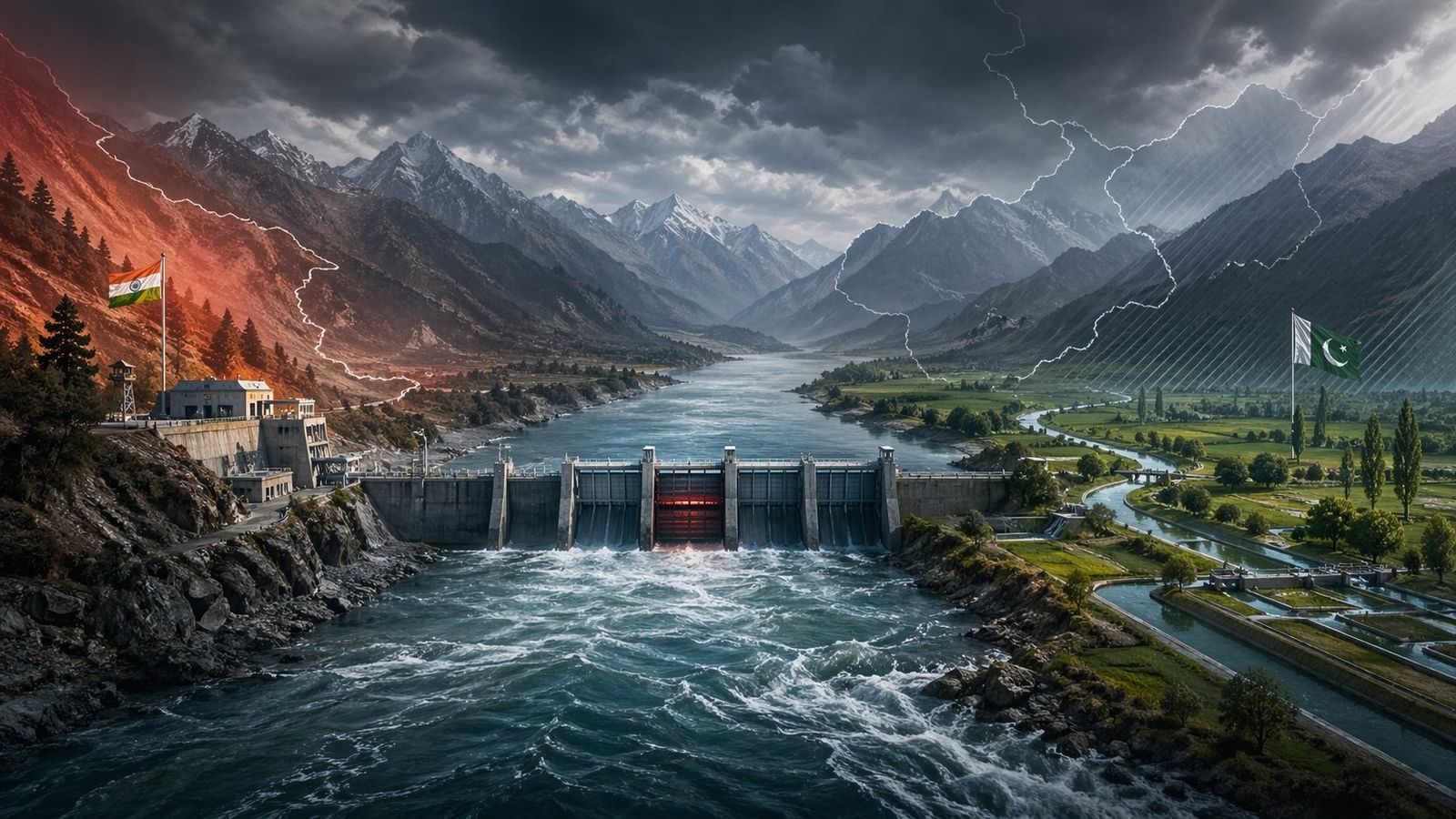
An analysis published by Khaama Press outlines a proposed strategic shift in how New Delhi approaches the decades-old Indus Waters Treaty, following the recent incident in Pahalgam. The 1960 agreement governs water distribution between India and Pakistan and allocated approximately eighty percent of the basin’s total flow to Pakistan, specifically designating the western rivers—the Indus, Jhelum, and Chenab—for Pakistani use. Historically, India has exercised strategic restraint in developing storage and irrigation infrastructure on these rivers, despite holding certain permitted rights under the existing framework.
The report argues that India should fundamentally reassess its water-sharing policy, adopting a doctrine summarized as blood and water cannot flow together. Under this proposed framework, cooperation on shared river resources would be treated as strictly conditional upon regional security and cross-border conduct. Advocates of this perspective suggest moving away from historical restraint toward a more assertive management of water resources in response to recent security developments.
The proposed policy shift reflects broader debates on linking environmental and resource cooperation with security dynamics. The analysis emphasizes that continued water sharing cannot be separated from ongoing cross-border tensions, urging a comprehensive recalibration of India’s approach to the treaty. At present, no official government statements confirming a formal policy change have been cited in the report.
Read the original reporting at Khaama Press →
Reliability assessment
Single-source opinion/analysis piece with no concrete, checkable details regarding the referenced 'Pahalgam massacre' or official policy shifts. The content is speculative and editorial in nature, lacking direct attribution to named officials or verifiable event data. Per guidelines, opinion/commentary with weak sourcing and no corroborating reports is rated unverified.
The source language mixes facts with framing or advocacy wording. Khaama Press: Phrases such as 'brutal Pahalgam massacre,' 'landscape stained by violence,' and 'blood and water cannot flow together' employ emotional framing and moral absolutism to advocate for a hardline policy shift, moving beyond neutral reporting into value-laden geopolitical advocacy.
Across the newsrooms
Filed by
Khaama Press
Originating
Framed
Framed
Filed under
International — Indus Waters Treaty, India-Pakistan Relations, Water Security, South Asia, Pahalgam
Reader supported
Keep Ehtebar running
Every published story uses paid tools to translate reporting, compare sources, extract claims, and produce a clearer read on Afghanistan. Reader support helps keep that work independent.
€5
helps cover daily verification runs
€15
supports a week of source comparison
€50
keeps independent analysis moving