INTERNATIONAL — April 21, 2026
Conflicting Statements Mark Expiration of Iran-US Ceasefire
Conflicting statements from U.S. and Iranian officials mark the expiration of a 14-day ceasefire, with Tehran and Pakistan citing an early Thursday end while Washington claims an extension. Military warnings and undecided peace talks underscore ongoing diplomatic uncertainty.
The Ehtebar Desk — originates with Amu TV — 2 min read
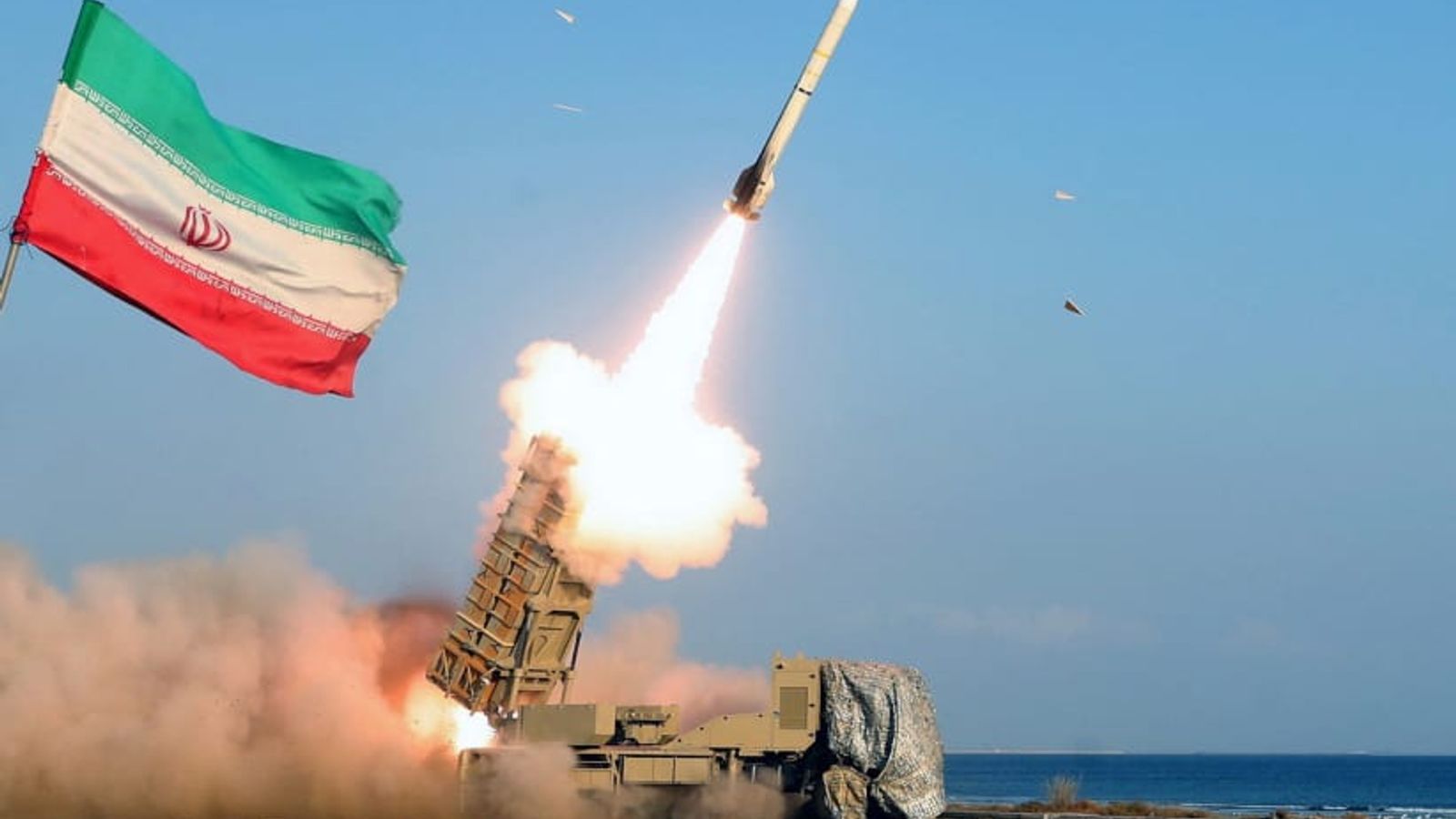
A 14-day ceasefire between Iran and the United States, which began on April 8, reached its scheduled expiration early Thursday amid conflicting statements regarding its status and duration. Iranian state television reported that the truce ended at 3:30 a.m. Thursday, Tehran time. Pakistan, which has been mediating between the two nations, stated the ceasefire concluded at 23:50 GMT, approximately 3:20 a.m. in Tehran.
In contrast, U.S. President Donald Trump asserted that the agreement had been extended until Thursday evening in Washington, D.C. The discrepancy in timelines highlights ongoing diplomatic uncertainty as both sides weigh their next steps. Iran’s Foreign Ministry indicated it has not yet reached a final decision on whether to participate in U.S.-Iran peace negotiations hosted in Pakistan.
Military rhetoric has also intensified alongside the diplomatic developments. President Trump warned that he anticipates a resumption of airstrikes if hostilities continue. Conversely, Iranian Parliament Speaker Mohammad Baqer Qalibaf stated that Tehran possesses undisclosed military capabilities, signaling readiness for potential escalation.
The expiration of the truce leaves the region in a period of heightened uncertainty, with official channels in both Washington and Tehran offering divergent accounts of the ceasefire’s current standing. As mediators work to clarify the diplomatic framework, both governments continue to issue public statements that underscore the fragile nature of the recent de-escalation efforts.
Read the original reporting at Amu TV →
Reliability assessment
Single source provides direct, on-record attribution from multiple state broadcasters and named officials (Iranian state TV, US President Trump, Pakistani mediators, IRIB citing Iran FM, Speaker Qalibaf). The core event (ceasefire expiration and conflicting diplomatic/military statements) is concretely attributable. Differing timelines and rhetoric are reported as explicit statements by the respective parties, making the reporting verifiable regardless of the underlying geopolitical tensions.
The source language reads straight.
Independent web corroboration
A separate web search returned 8 matching reports. A selection:
Trump initially announced the ceasefire ... 24 hours. A Pakistani source involved in the talks also said it would expire at 8 p.m. Eastern Time on Wednesday, which is 3:30 a.m. Thursday in Iran.
- Iran-US war latest: Trump says extension to two-week ceasefire ‘highly unlikely’ by Wednesday evening without a dealindependent.co.uk
Trump announced the two-week ceasefire with Iran on April 7, and had not specified when precisely it ends. A Pakistani source involved in the talks said previously it would expire at 8pm ET on Wednesday, which would be midnight GMT or 3:30am ...
The president has previously said it is “highly unlikely” he would extend the ceasefire deadline further than tomorrow evening. ... Rising distrust between Tehran and Washington is not the only challenge facing upcoming talks
- US-Iran talks 2.0: Iran hits out at US, calls vessel seizure piracy, terrorism as ceasefire nears endindiatoday.in
A Pakistani official involved in the talks said the ceasefire is expected to expire at 8 pm Eastern Time on Wednesday (5:30 am Thursday in India). Following the US-Israeli strikes on Iran on February 28, Tehran has effectively shut down the ...
Across the newsrooms
Filed by
Amu TV
Originating
Reported straight
Reported straight
Filed under
International — Iran, United States, Pakistan, Ceasefire, Donald Trump
Reader supported
Keep Ehtebar running
Every published story uses paid tools to translate reporting, compare sources, extract claims, and produce a clearer read on Afghanistan. Reader support helps keep that work independent.
€5
helps cover daily verification runs
€15
supports a week of source comparison
€50
keeps independent analysis moving