
SOCIETY — March 20, 2026
Experts warn rising temperatures, unusual rainfall threaten Afghanistan's environment and health
Environmental experts warn that rising temperatures and unusual rainfall in Afghanistan are accelerating glacier melt, dust storms and health risks, despite the country's minimal contribution to global climate change. They call for international cooperation and local adaptation amid low snowfall and severe droughts reported by FAO and UN.
The Ehtebar Desk — originates with Pajhwok — 2 min read
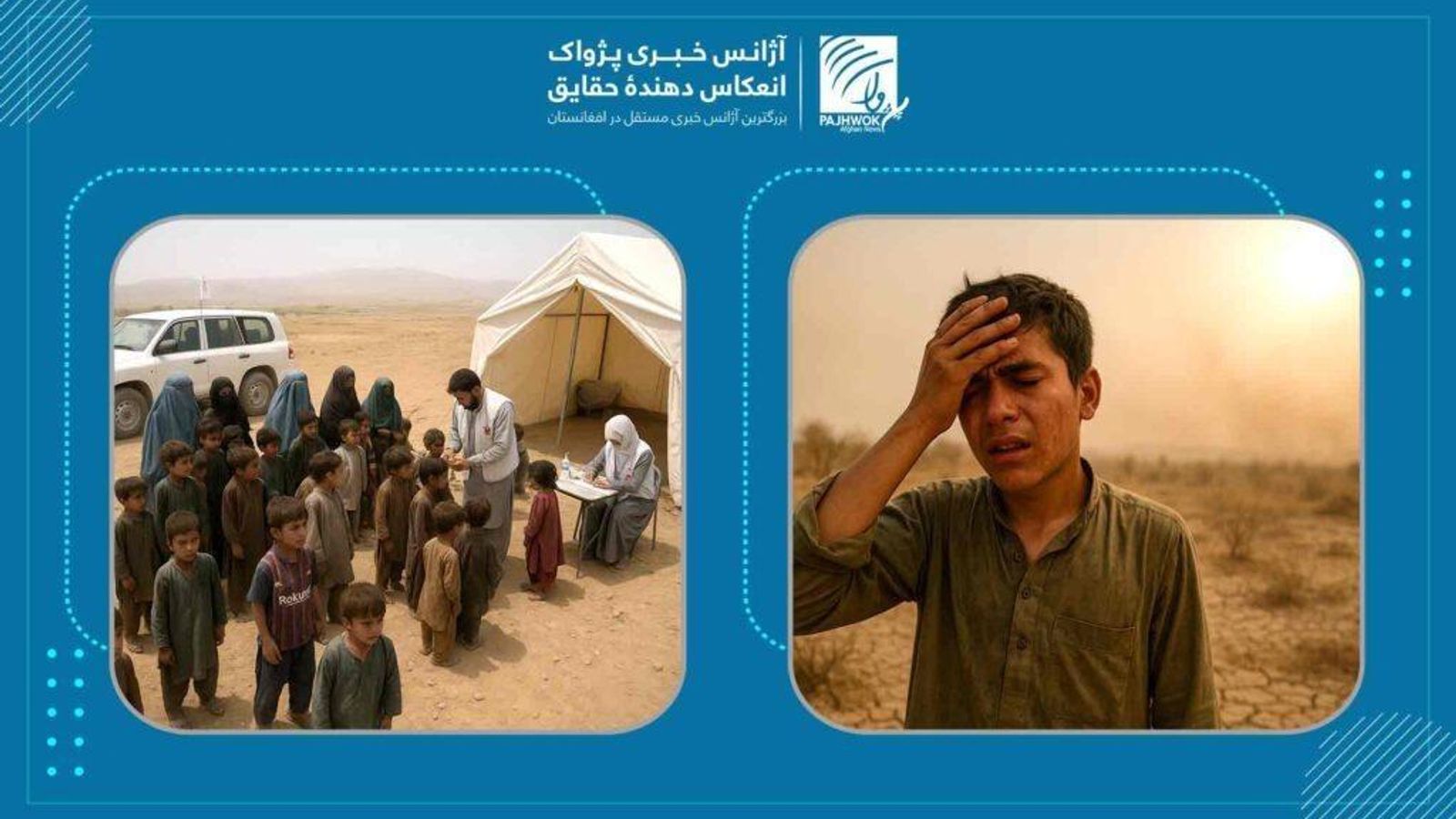
KABUL (Afghan Verified) - Environmental and health experts warn that rising temperatures and unusual rainfall patterns are accelerating glacier melt, reducing snow cover, drying soils, increasing land erosion and triggering more frequent dust storms across Afghanistan, while posing serious risks to public health.
They emphasized that Afghanistan has contributed little to global climate change but remains one of the most vulnerable countries to its impacts, requiring international cooperation and local adaptation measures. Global warming has caused droughts in some regions and storms, heavy rainfall and floods in others, while accelerating glacier melt and raising sea levels. Studies indicate climate change may also increase underground risks such as earthquakes and volcanic activity.
In May 2025, the Food and Agriculture Organisation reported that snowfall in Afghanistan reached a 25-year low at the start of the 2025/26 winter season, posing a serious threat to agriculture and livestock that rely on melting snow for water. United Nations statistics show Afghanistan faced one of its most severe droughts in recent years.
Environmental expert Najibullah Sadid said the effects of climate change are clearly visible in Afghanistan, with the average annual temperature rise in the country and Central Asia around two degrees Celsius higher than the global average. He noted that rising temperatures have reduced snowfall, replaced increasingly by rain that leads to floods and rapid runoff due to inadequate infrastructure. Studies indicate about 14 percent of Afghanistan's glaciers disappeared between 1990 and 2015.
Sadid said higher temperatures accelerate snow cover loss, cause excessive snowmelt floods, reduce vegetation, dry soils and intensify erosion, making dust storms the third major environmental threat after drought and floods. He added that water shortages force use of contaminated sources, increasing water-related diseases.
Given limited resources, Sadid said mitigation is confined to household and village levels, such as environmental protection and water management. He urged adaptation measures like using protective equipment during dust storms, avoiding extreme heat exposure, rainwater collection, building reservoirs and planting trees, while calling on the global community to reduce greenhouse gas emissions.
Climate expert Syed Mohammad Sulaimankhail described climate change as a global phenomenon with widespread damaging consequences across Afghanistan, where the population is already paying financial and human costs.
Read the original reporting at Pajhwok →
Reliability assessment
Single source provides direct, on-record quotes from named experts (Najibullah Sadid, Syed Mohammad Sulaimankhail) with concrete, checkable details (e.g., 14% glacier loss 1990-2015, 2°C temp rise, FAO snowfall report in May 2025).
The source language reads straight.
Independent web corroboration
An independent web search turned up no separate corroborating reports. Treat the account as single-sourced until more outlets pick it up.
Across the newsrooms
Filed by
Pajhwok
Originating
Reported straight
Reported straight
Filed under
Society — Afghanistan, climate change, glaciers, dust storms, FAO
Reader supported
Keep Ehtebar running
Every published story uses paid tools to translate reporting, compare sources, extract claims, and produce a clearer read on Afghanistan. Reader support helps keep that work independent.
€5
helps cover daily verification runs
€15
supports a week of source comparison
€50
keeps independent analysis moving
More in Society
Health Officials and Experts Discuss Rise in Black Jaundice Cases in Afghanistan
— Reliable
Discussion on Agricultural Products and Health Services in Samangan Province
— Reliable
WHO Report Cites Taliban Restrictions and Funding Shortfalls as Threats to Health Services in Afghanistan
— Reliable
Afghan officials report returns of families from Pakistan and Iran alongside releases from Pakistani prisons
— Reliable