
ECONOMY — May 5, 2026
Ghazni Province Issues 60 New Factory Licenses Amid Industrial Expansion
Ghazni province has issued 60 new factory licenses over the past year, bringing the total number of operational facilities to approximately 110. While improved security has driven recent investment, analysts stress that sustained growth requires reliable infrastructure and continued government support.
The Ehtebar Desk — originates with Pajhwok — 2 min read
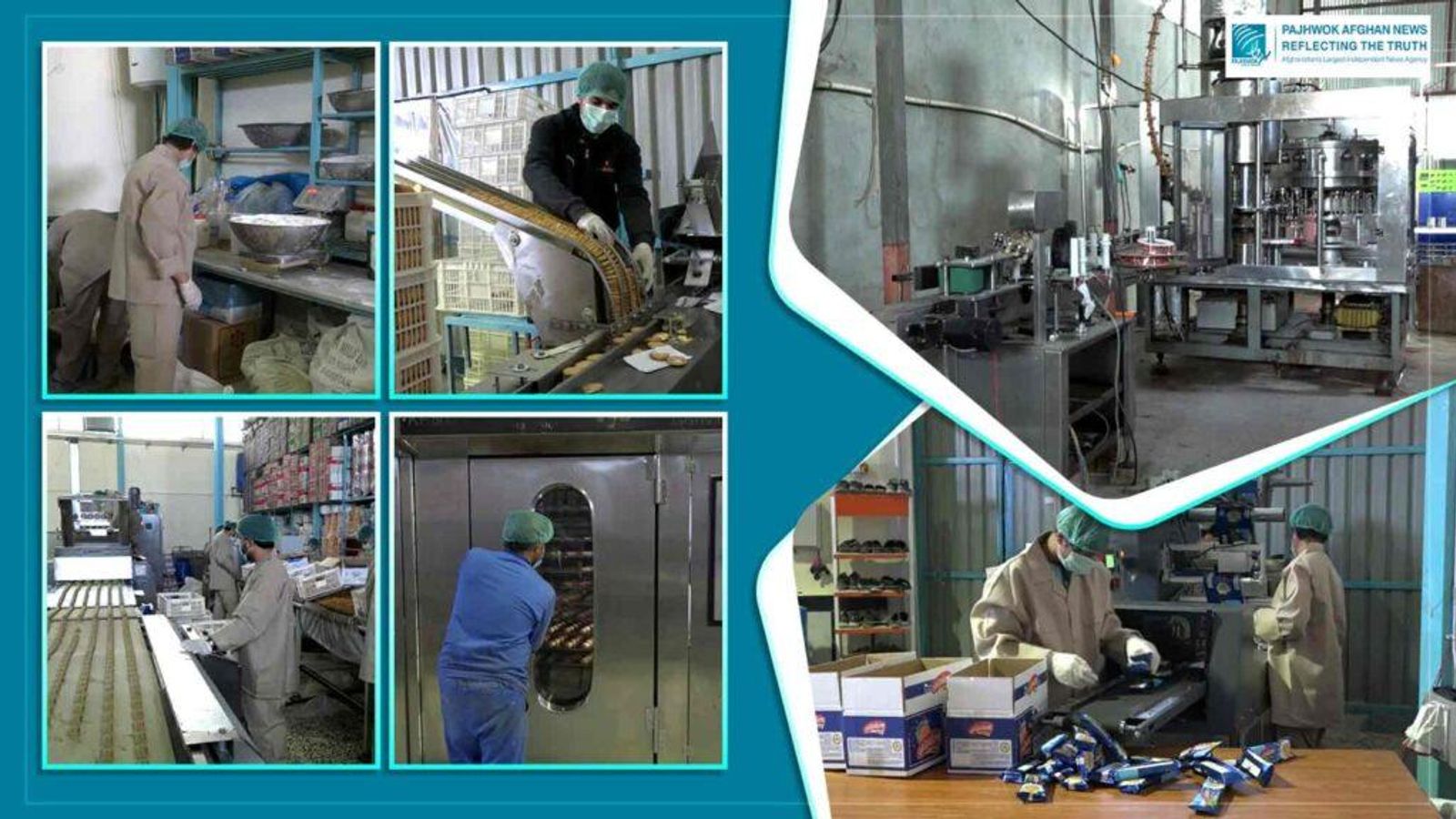
Provincial authorities in Ghazni have issued 60 new factory licenses over the past year, marking a notable expansion in the region’s industrial sector. Mawlawi Hazrat Musa Abu Mansour, head of the provincial Department of Commerce and Industry, confirmed the figure and noted that approximately 110 manufacturing facilities are currently operational across the province. An additional 70 license applications are reportedly under review.
Officials and local investors attribute the recent surge in commercial activity to stabilized security conditions and a more predictable economic environment. The development has also spurred progress on regional infrastructure projects. Two industrial parks located in the Asfanda and Moshki districts are reported to be 98 percent complete, while construction continues on two additional facilities.
Business owners who have relocated operations to Ghazni cited the improved security situation as a primary factor in their decision to invest in the province. The expansion is expected to generate new employment opportunities and stimulate local economic activity.
Despite the recent growth, industry observers and investors emphasized that long-term sustainability will depend on addressing critical infrastructure gaps. Reliable electricity supply, improved road networks, and accessible banking services were identified as essential requirements for maintaining industrial momentum. Provincial officials have indicated that ongoing development projects aim to support the growing manufacturing sector, though analysts caution that consistent government backing and infrastructure investment will be necessary to fully realize the region’s economic potential.
Read the original reporting at Pajhwok →
Reliability assessment
Single-source report but meets the reliable threshold through direct, on-record attribution from named provincial officials (Mawlawi Hazrat Musa Abu Mansour, head of the Department of Commerce and Industry), investors, and analysts, alongside concrete, checkable details (specific license counts, named industrial park locations, completion percentages). The core event is clearly attributable and verifiable through official provincial channels.
The source language reads straight.
Across the newsrooms
Filed by
Pajhwok
Originating
Reported straight
Reported straight
Filed under
Economy — Ghazni, Industrial Investment, Factory Licenses, Economic Development, Afghanistan Commerce
Reader supported
Keep Ehtebar running
Every published story uses paid tools to translate reporting, compare sources, extract claims, and produce a clearer read on Afghanistan. Reader support helps keep that work independent.
€5
helps cover daily verification runs
€15
supports a week of source comparison
€50
keeps independent analysis moving
More in Economy
Economic Commission Approves 37 Domestic Standards and 12 Testing Methods
— Reliable

Taliban Governor Says Around 700 Mines Under Extraction in Panjshir
— Reliable
Daily Production at Baghlan's Ghori Cement Factory Increases to 700 Tons
— Reliable
Two Irrigation and Flood-Prevention Projects Completed in Zabul
— Reliable