
ECONOMY — March 19, 2026
Guardianless Women in Kabul Face Severe Poverty and Economic Challenges
Guardianless women in Kabul, like Sadiqua who sells vegetables despite illness to feed her children, face severe poverty and rely on sporadic aid. Economic experts urge the Islamic Emirate and aid groups for sustainable support, while the Ministry of Economy highlights ongoing assistance programs.
The Ehtebar Desk — originates with ToloNews — 2 min read
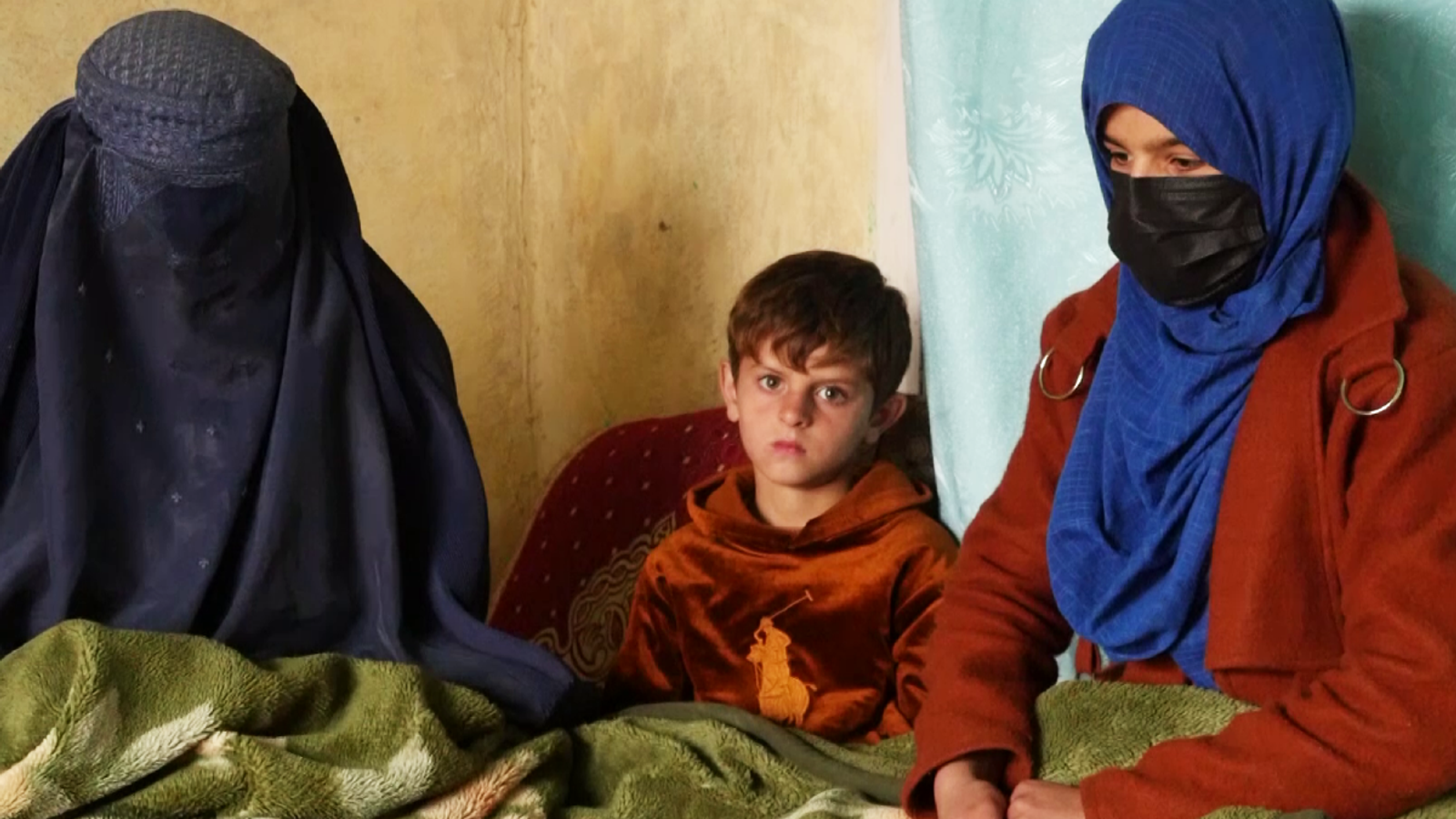
Guardianless women in Kabul are complaining about their difficult living conditions amid rising economic challenges in Afghanistan. They say they rely on daily aid to meet their families' basic needs.
Sadiqua, head of a family with three children, sells vegetables despite health problems. Her husband left years ago due to addiction. "I am Jawad's wife, I have three children, I sell vegetables with great difficulties, I bring five loaves of bread home, I have nothing at home and I myself am sick," Sadiqua said. Due to illness, she lacks the ability for fixed work and most days sells vegetables beside shops or in alleys, or waits for help. She added that small aids are sometimes the only way to provide her family's daily food.
Shakira, Sadiqua's daughter, said: "When I see the neighbor's children who have everything, I wish my mother would work and bring food home, and when my mother brings nothing, I become very heartbroken."
Economic expert Mir Shakir Yaqubi called for serious support for guardianless women, especially heads of household, from the Islamic Emirate and aid organizations. "Given the bad economic situation in Afghanistan, especially for guardianless women, the Government of Afghanistan needs to address their situation, aid needs to be increased and sustainable, and some job opportunities created," Yaqubi said.
Abdul Rahman Habib, spokesperson for the Ministry of Economy, said efforts continue to attract humanitarian aid and address the needy. "In this sector, there are a number of ministries and departments that have support programs; they have programs for the deserving in terms of food items and cash aid, especially destitute families, and alongside this, we are striving to have the support of the international community, partner institutions, and UN offices," Habib said.
Many needy families in Afghanistan still face economic problems, lack of job opportunities, and demand more attention and support from responsible entities and aid organizations.
Read the original reporting at ToloNews →
Reliability assessment
Single source ToloNews provides direct, on-record attribution with concrete details including named individuals (Sadiqua, Shakira, economic expert Mir Shakir Yaqubi, Ministry of Economy spokesperson Abdul Rahman Habib) and specific location (Kabul). Verifiable facts include their quoted statements regardless of topic sensitivity.
The source language mixes facts with framing or advocacy wording. ToloNews: "heavy challenges" (title), "difficult living conditions", "heavy burden" – these phrases use emotionally loaded descriptors to frame the women's plight sympathetically and emphasize severity beyond neutral reporting.
Independent web corroboration
An independent web search turned up no separate corroborating reports. Treat the account as single-sourced until more outlets pick it up.
Across the newsrooms
Filed by
ToloNews
Originating
Framed
Framed
Filed under
Economy — Kabul, Guardianless women, Poverty, Ministry of Economy, Islamic Emirate
Reader supported
Keep Ehtebar running
Every published story uses paid tools to translate reporting, compare sources, extract claims, and produce a clearer read on Afghanistan. Reader support helps keep that work independent.
€5
helps cover daily verification runs
€15
supports a week of source comparison
€50
keeps independent analysis moving
More in Economy
Economic Commission Approves 37 Domestic Standards and 12 Testing Methods
— Reliable

Taliban Governor Says Around 700 Mines Under Extraction in Panjshir
— Reliable
Daily Production at Baghlan's Ghori Cement Factory Increases to 700 Tons
— Reliable
Two Irrigation and Flood-Prevention Projects Completed in Zabul
— Reliable