
SOCIETY — April 7, 2026
International Organizations Warn of Critical Health Situation in Afghanistan on World Health Day
International organizations warned on World Health Day that Afghanistan's health system is critically strained by conflict, economic woes and restrictions, with 14.4 million people projected to need services in 2026. While aid groups like the ICRC report supporting millions of patients, concerns persist over limits on female medical workers.
The Ehtebar Desk — originates with Ariana News — corroborated by Khaama Press and Amu TV — 2 min read
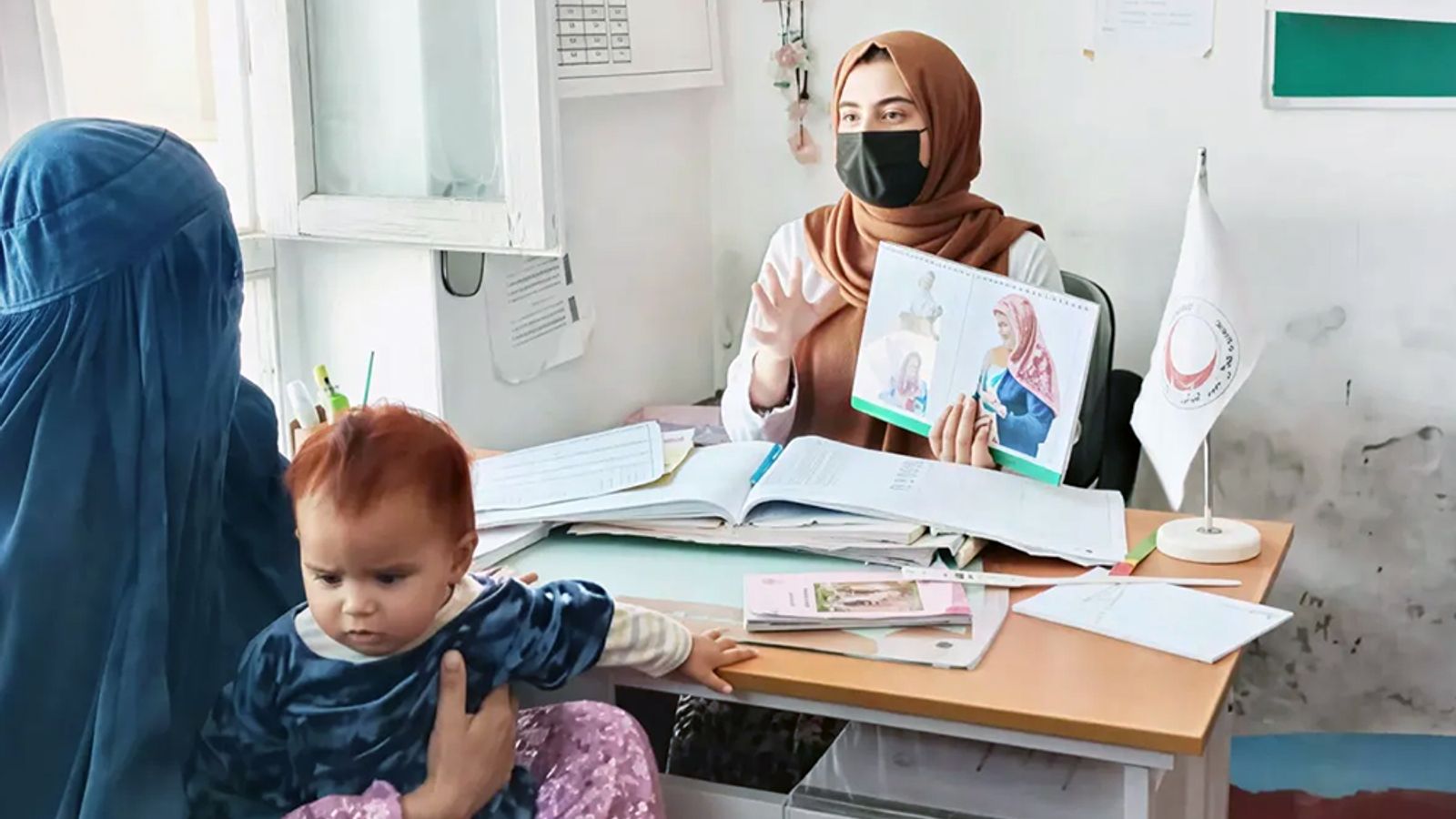
KABUL (Afghan Verified) -- On World Health Day, international organizations including the Red Cross, IOM, WHO and UNFPA warned that Afghanistan's health system is in a critical state, strained by decades of conflict, economic challenges, natural disasters and reduced humanitarian aid.
The groups highlighted that women and children are disproportionately affected. OCHA projections indicate 14.4 million people will require humanitarian health services in 2026. WHO Representative Mukta Sharma noted limited access to treatments in remote areas.
Amu TV reported that Taliban restrictions on women's medical education and employment -- including closures of medical universities to girls in late 2022, exam bans and requirements for a male guardian to treat female patients -- have intensified the crisis and contributed to high maternal mortality rates.
Ariana News detailed International Committee of the Red Cross (ICRC) support for primary health clinics and hospitals, which aided 1.2 million patients in 2025, mostly women and children. UN Special Rapporteur on human rights in Afghanistan Richard Bennett expressed concerns over restrictions limiting female health workers.
Meanwhile, a spokesman for the Islamic Emirate's Ministry of Public Health announced the establishment of more than 400 new health centers in remote areas.
Read the original reporting at Ariana News →
Reliability assessment
Both outlets report core event of World Health Day warnings on Afghanistan's health crisis from named international orgs (ICRC, WHO/OCHA, UNFPA) and officials (Mukta Sharma, Richard Bennett, Sharaf Zaman); 14.4M figure corroborated; differing emphases/claims do not undermine event confirmation.
The source language mixes facts with framing or advocacy wording. Amu TV: "Critical" (بحرانی) directly from orgs but emphasized in title; personal anecdote of Mahbouba, 23, losing her child to pneumonia due to no access ("کودک خود را بر اثر بیماری سینهبغل از دست داده") adds emotional human impact; "main factors in intensifying the health crisis" (عوامل اصلی تشدید بحران صحی) frames Taliban bans as primary cause with mild advocacy tone.
Independent web corroboration
An independent web search turned up no separate corroborating reports. Treat the account as single-sourced until more outlets pick it up.
Across the newsrooms
Where reports agree
- World Health Day highlights Afghanistan's health challenges
- Health system strained by war, economic issues, natural disasters
- 14.4 million Afghans need health services in 2026 (WHO/OCHA)
- Women and children disproportionately affected
- International organizations like ICRC involved in health support
Where reports differ
- Degree of crisis: Amu TV calls it 'critical' due to Taliban restrictions; Ariana News notes challenges but highlights ICRC successes and Taliban health centers
- Taliban role: Amu TV blames restrictions; Ariana News quotes MoPH spokesman on new centers
- Specific achievements: Ariana News details ICRC patient numbers, trainings; Amu TV focuses on warnings
Filed by 3 outlets
Ariana News
Originating
Reported straight
Reported straight
Khaama Press
Reported straight
Reported straight
Amu TV
Framed
Framed
Filed under
Society — Afghanistan, Taliban, ICRC, WHO, World Health Day
Reader supported
Keep Ehtebar running
Every published story uses paid tools to translate reporting, compare sources, extract claims, and produce a clearer read on Afghanistan. Reader support helps keep that work independent.
€5
helps cover daily verification runs
€15
supports a week of source comparison
€50
keeps independent analysis moving
More in Society
Health Officials and Experts Discuss Rise in Black Jaundice Cases in Afghanistan
— Reliable
Discussion on Agricultural Products and Health Services in Samangan Province
— Reliable
WHO Report Cites Taliban Restrictions and Funding Shortfalls as Threats to Health Services in Afghanistan
— Reliable
Afghan officials report returns of families from Pakistan and Iran alongside releases from Pakistani prisons
— Reliable