
CULTURE — April 17, 2026
Iranian Official Says Global Registration File for Traditional Windmills to Be Pursued Jointly with Afghanistan
An Iranian official says a UNESCO file for the global registration of traditional windmills found in Iran and Afghanistan is nearing completion after six to seven years of work and is set for joint submission. The nomination could strengthen cultural ties between the two countries similar to the shared registration of Nowruz.
The Ehtebar Desk — originates with Amu TV — 2 min read
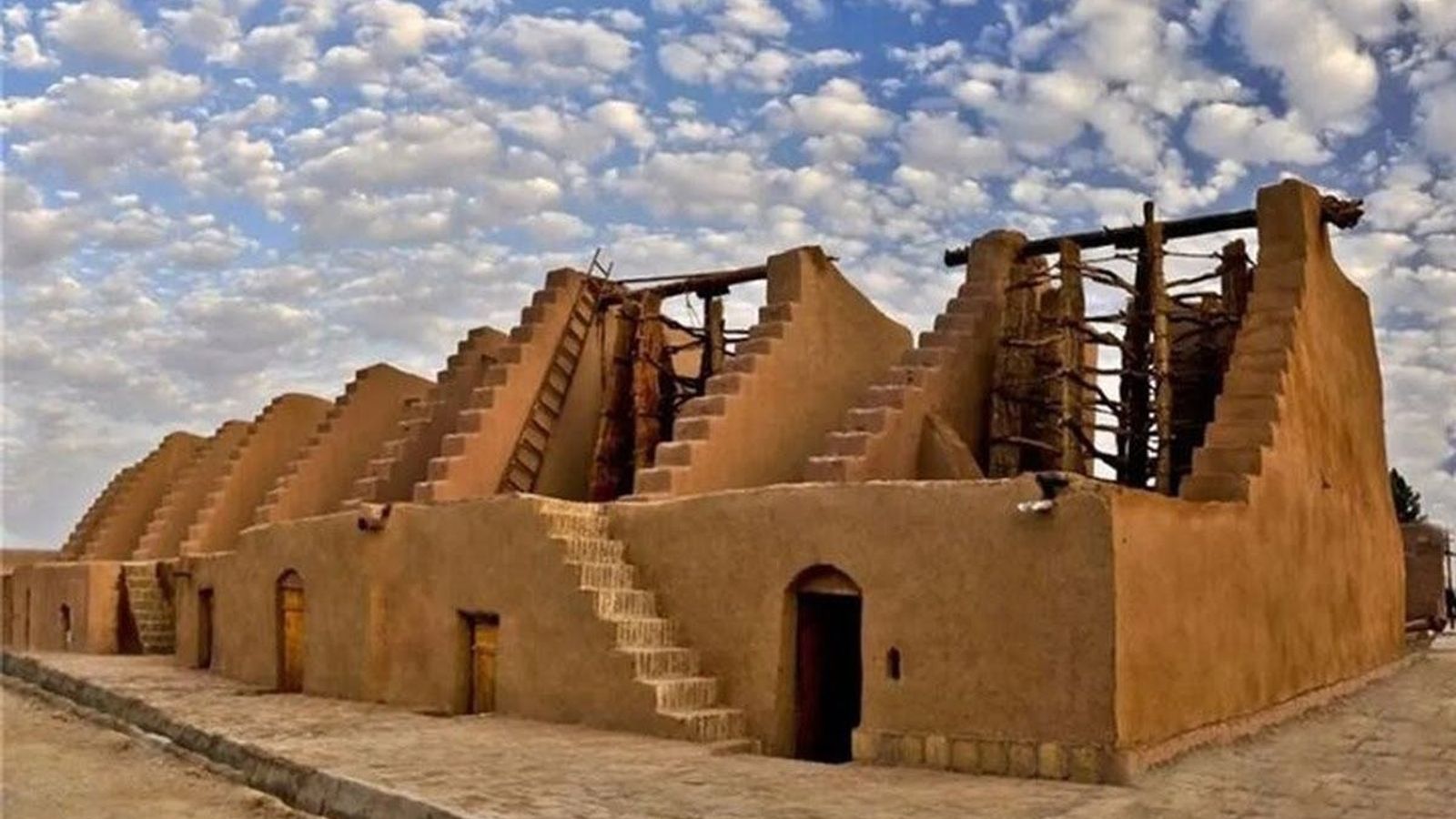
An Iranian official says the global registration file for traditional windmills known as Asbads is in its final stages and will be pursued jointly with Afghanistan.
Alireza Izadi, Director General of Iran's Office for Registration of Historical Monuments, said expert work on the file has been underway for the past six to seven years. This has included documentation, technical examinations and determining the boundaries of the sites.
The Asbads are primarily located in eastern Iran, in provinces such as Razavi Khorasan, South Khorasan and Sistan and Baluchestan. There are also examples of these traditional windmills in western Afghanistan, particularly in the province of Herat.
Izadi said the joint file had been on UNESCO's tentative list before being sent to the organization. UNESCO has raised questions about the file, to which Iran has responded, and work on supplementary responses is continuing.
The official added that it is hoped UNESCO evaluators will begin their final examination of the file next year. A joint registration could help strengthen cultural relations between Iran and Afghanistan in a manner similar to the joint registration of Nowruz, he said.
The registration process faces a number of challenges. These include providing the necessary budget, restoring the windmills, dealing with their wide geographical spread and multi-sited character, and coordinating between different sectors.
This effort is aimed at enhancing cultural cooperation in the region.
Read the original reporting at Amu TV →
Reliability assessment
Single source (Amu TV) provides direct, on-record attribution with concrete details to a named senior Iranian official (Alireza Izadi, Director General of Iran's Office for Registration of Historical Monuments) including specific timelines, locations, process stages, and prior UNESCO tentative list status. This makes the fact that these statements were made verifiable and reliable.
The source language reads straight.
Across the newsrooms
Filed by
Amu TV
Originating
Reported straight
Reported straight
Filed under
Culture — UNESCO, Asbads, Cultural Heritage, Iran-Afghanistan, Herat, Windmills
Reader supported
Keep Ehtebar running
Every published story uses paid tools to translate reporting, compare sources, extract claims, and produce a clearer read on Afghanistan. Reader support helps keep that work independent.
€5
helps cover daily verification runs
€15
supports a week of source comparison
€50
keeps independent analysis moving
More in Culture

Premier Pahlawani League Final to Crown First Champion Tonight in Kabul
— Reliable
Three-Day Tourism Capacity-Building Seminar Concludes in Herat
— Reliable

Deputy Minister of Culture and Art Says Efforts to Protect Historical Sites Will Continue
— Reliable
Traditional Gul-e-Zard Poetry Gathering Held in Kapisa
— Reliable