INTERNATIONAL — April 21, 2026
Iran's Participation in Islamabad Peace Talks Remains Unconfirmed Amid Rising Tensions
Iran has not confirmed its attendance at upcoming peace talks in Islamabad, mediated by Pakistan, as a ceasefire expires and tensions rise over a seized tanker and the partial closure of the Strait of Hormuz.
The Ehtebar Desk — originates with Amu TV — 2 min read
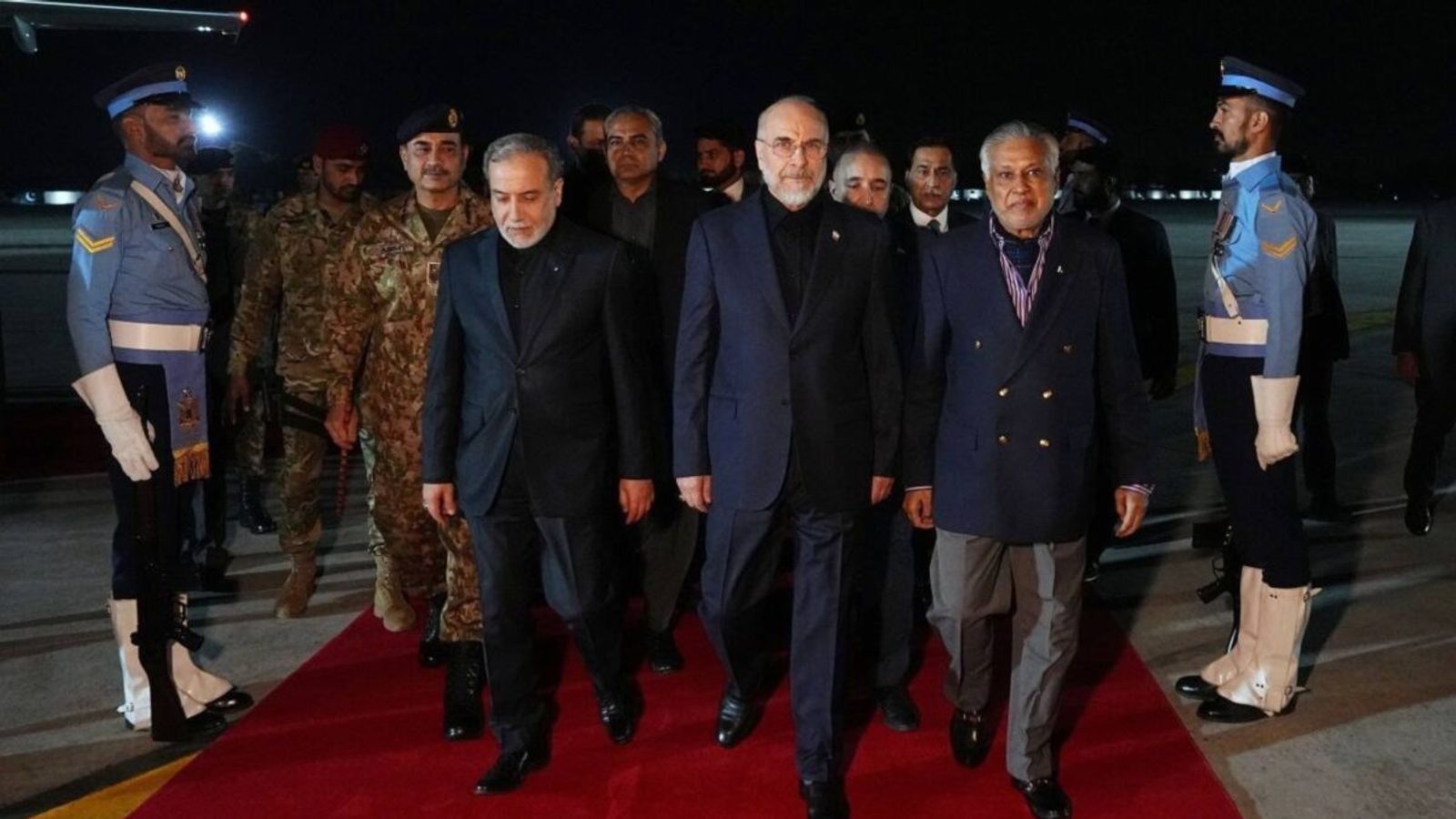
Tehran has not yet confirmed whether it will attend the second round of peace negotiations with the United States in Islamabad, as a previously established ceasefire approaches its expiration date. Pakistani officials, who are mediating the diplomatic process, are currently awaiting a formal response from Iranian authorities.
Tensions have escalated following reports that U.S. forces intercepted and seized an oil tanker linked to Iran at sea. In response to the incident, Iranian Foreign Ministry spokesperson Esmail Baghaei condemned the action, characterizing it as an act of piracy and state terrorism. Meanwhile, U.S. President Donald Trump stated that he does not intend to extend the current ceasefire and issued warnings regarding potential military strikes if diplomatic efforts stall.
The diplomatic standoff has been accompanied by significant regional disruptions. Iran has largely restricted foreign shipping through the Strait of Hormuz, a critical global energy corridor. The partial closure has contributed to a sharp increase in international oil prices and raised broader economic concerns among global markets.
As the deadline for the ceasefire nears, conflicting statements from officials on both sides have further complicated the diplomatic landscape. The outcome of the upcoming talks in Islamabad remains uncertain, with both nations maintaining firm public positions while international observers monitor the situation for signs of de-escalation or further military engagement.
Read the original reporting at Amu TV →
Reliability assessment
Single source (Amu TV, citing Reuters) provides direct, on-record attribution with concrete, checkable details, including named officials (Trump, Esmail Baghaei, Ataullah Tarar, Fatemeh Mohajerani), specific locations (Islamabad, Strait of Hormuz), and direct quotes. The core events are clearly attributed and verifiable.
The source language reads straight.
Independent web corroboration
A separate web search returned 8 matching reports. A selection:
Iranian sources told Reuters Tehran had still not taken a final decision about whether to attend the next round of talks in Islamabad.
No Iranian delegation has yet departed for Islamabad, Reuters reported Tuesday, citing Iranian state TV, contradicting international media reports that a team of representatives was traveling.
- Trump says he's not under pressure over Iran war deal as status of peace talks remains unclearcbsnews.com
Iran has not committed to taking part in a new round of talks with the U.S., with Foreign Ministry spokesman Esmail Baqaei saying Monday there were "no plans for the next round of negotiations."
Iran has signalled that it has no plans to send negotiators to Islamabad for a new round of talks with the United States, threatening Pakistan’s plans for ...
Across the newsrooms
Filed by
Amu TV
Originating
Reported straight
Reported straight
Filed under
International — Iran, United States, Pakistan, Strait of Hormuz, US-Iran Talks
Reader supported
Keep Ehtebar running
Every published story uses paid tools to translate reporting, compare sources, extract claims, and produce a clearer read on Afghanistan. Reader support helps keep that work independent.
€5
helps cover daily verification runs
€15
supports a week of source comparison
€50
keeps independent analysis moving