
SOCIETY — March 19, 2026
Jawzjan tribal elder resolves 115 disputes through jirgas over 13 years
A 52-year-old tribal elder in Jawzjan province has resolved 115 disputes through jirgas over nearly 13 years, working with the Directorate of Tribes and Ethnic Affairs and emphasizing Islamic principles. Haqyar promotes jirgas as quicker alternatives to formal courts and serves without ethnic bias.
The Ehtebar Desk — originates with Pajhwok — 2 min read
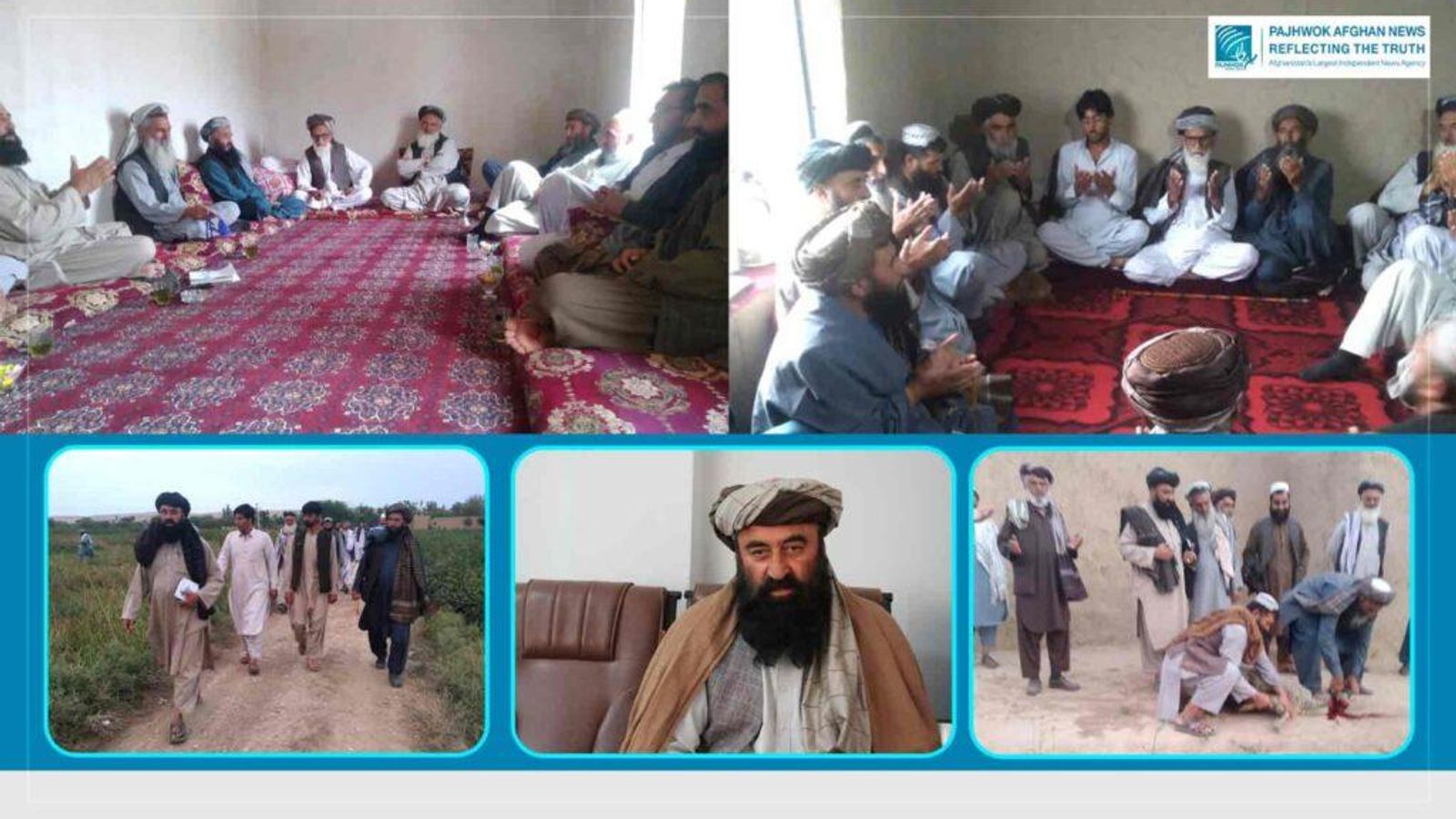
SHIBERGHAN, Afghanistan (Afghan Verified) - Abdulkhaliq Haqyar, a 52-year-old tribal elder from Jagdalak village in Shiberghan city, Jawzjan province, has resolved around 115 disputes through jirgas over nearly 13 years, relying on Islamic principles and local trust.
Haqyar, who completed education up to the 12th grade as a refugee in Pakistan and received religious education in madrasas, has worked for about 10 years through the Directorate of Tribes and Ethnic Affairs under both the previous and current systems. He serves as a mediator between communities, military, civil and criminal courts to resolve misunderstandings and disputes.
Haqyar emphasized that a true leader must possess justice, truthfulness and honesty, resolving matters within the framework of Islamic law, including the Qur’an, Hadith, consensus (ijma) and analogy (qiyas). He noted that Afghans respect Islamic values above local traditions and customs.
Comparing jirgas to formal courts, Haqyar said court processes rely on documentation and procedures, which can be lengthy and exhausting, especially for those lacking financial or psychological resources. "People often do not have the financial or psychological ability to continue such processes; therefore, we try to resolve problems through jirga, gain the satisfaction of both parties and create lasting peace," he said.
Haqyar described the trust of Jawzjan residents as his greatest asset and stressed that his service transcends ethnic or linguistic boundaries. "My service does not consider language or ethnicity. Whoever has a problem, I try to solve it. This is my human duty," he added.
He identified prejudice as a major challenge, urging jirgas, religious scholars, mosque imams and community members to address conflicts, even among brothers. Haqyar also highlighted the media's role in raising awareness and noted increased confidence in jirgas under the current system compared to the past.
Read the original reporting at Pajhwok →
Reliability assessment
Single source (Pajhwok) provides direct, on-record details from named individual Abdulkhaliq Haqyar with concrete, checkable elements: specific name, age (52), location (Jagdalak village, Shiberghan, Jawzjan), duration (13 years, 10 years work), and exact number (115 disputes).
The source language reads straight.
Across the newsrooms
Filed by
Pajhwok
Originating
Reported straight
Reported straight
Filed under
Society — Jawzjan, Shiberghan, Abdulkhaliq Haqyar, jirga, dispute resolution
Reader supported
Keep Ehtebar running
Every published story uses paid tools to translate reporting, compare sources, extract claims, and produce a clearer read on Afghanistan. Reader support helps keep that work independent.
€5
helps cover daily verification runs
€15
supports a week of source comparison
€50
keeps independent analysis moving
More in Society
Health Officials and Experts Discuss Rise in Black Jaundice Cases in Afghanistan
— Reliable
Discussion on Agricultural Products and Health Services in Samangan Province
— Reliable
WHO Report Cites Taliban Restrictions and Funding Shortfalls as Threats to Health Services in Afghanistan
— Reliable
Afghan officials report returns of families from Pakistan and Iran alongside releases from Pakistani prisons
— Reliable