
SOCIETY — April 15, 2026
Kabul Faces Severe Water Crisis as Groundwater Levels Drop 25-30 Meters
Kabul is facing a critical water crisis due to a 25-30 meter drop in groundwater levels over the past decade, driven by climate change, population growth, reduced rainfall, and mismanagement. Officials have implemented some measures, but major projects are delayed, prompting expert warnings of a looming humanitarian disaster.
The Ehtebar Desk — originates with Ariana News — 2 min read
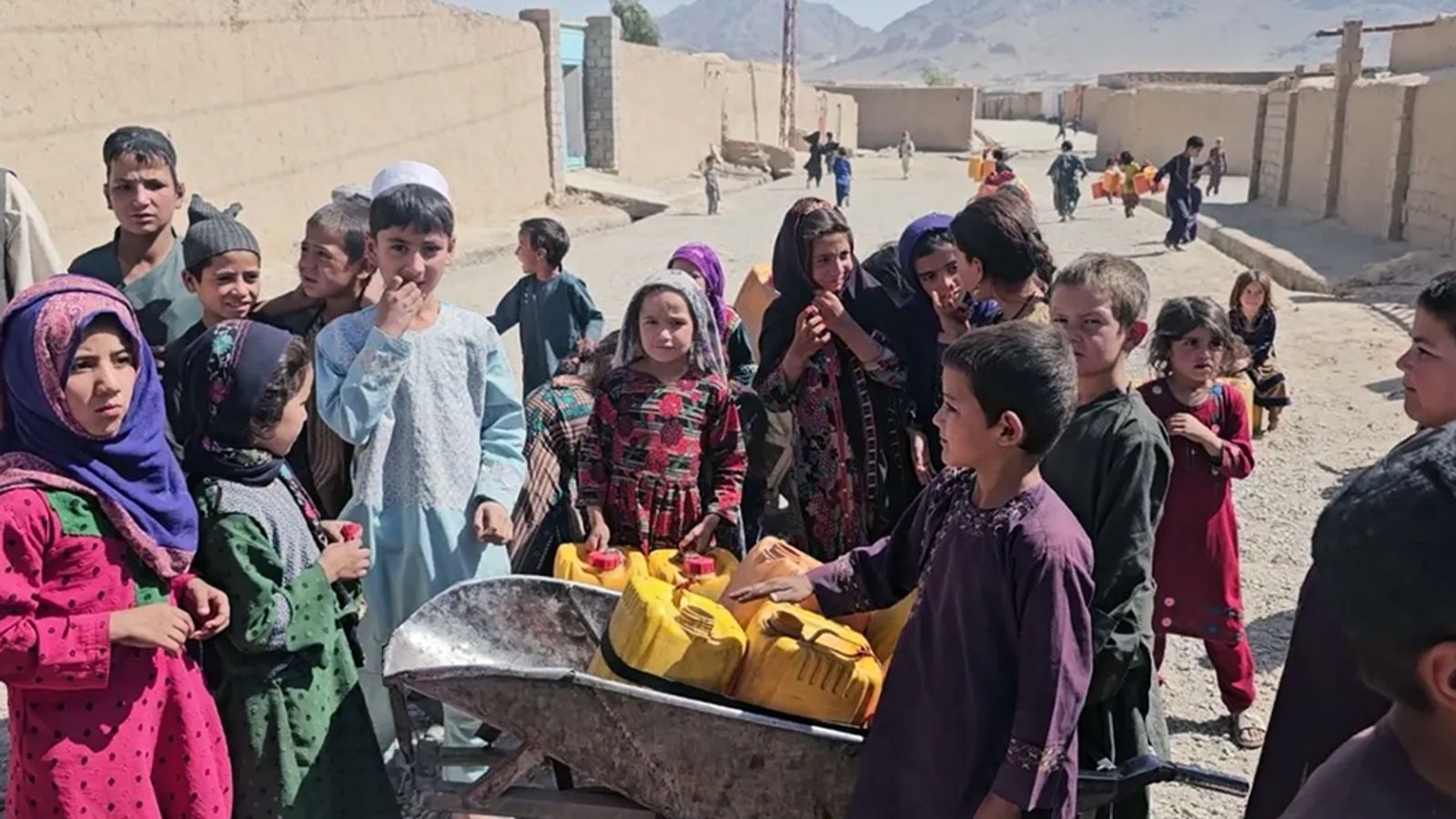
Kabul, Afghanistan's capital, is experiencing a severe water shortage, with groundwater levels having declined by 25-30 meters over the past decade. Some wells now reach depths of 150 meters.
The crisis stems from climate change, reduced rainfall, rapid population growth to around six million residents, and mismanagement of resources. Poor residents in affected areas must travel long distances to haul water or purchase expensive supplies delivered by trucks.
Government officials have described the situation as critical and introduced measures including restrictions on groundwater extraction, installation of water meters, and construction of small dams. However, major projects such as the transfer of water from the Panjshir River and the Shah-Tot Dam remain stalled due to budget constraints and technical challenges.
Experts warn that without immediate and comprehensive action, the city risks an unprecedented humanitarian disaster.
Read the original reporting at Ariana News →
Reliability assessment
Multiple independent outlets (AP News, The Independent, britbrief.co.uk, voiceofemirates.com) corroborate the core event of Kabul's severe water crisis due to groundwater depletion from climate change, population growth (around six million), reduced rainfall, and mismanagement, with residents hauling water; britbrief matches the specific 25-30 meter aquifer drop over the past decade, and voiceofemirates (published same day as story) echoes warnings of humanitarian disaster, providing strong independent confirmation beyond the original Ariana News report citing the Independent.
The source language mixes facts with framing or advocacy wording. Ariana News: "silent crisis" (title implies hidden severity for emotional impact); "worrying manner" (alarming depletion frames the issue with concern); "unprecedented humanitarian crisis" (advocacy warning escalates urgency with hyperbolic potential outcome). These add emotional framing and mild opinion to the reporting.
Independent web corroboration
A separate web search returned 8 matching reports. A selection:
climate change has played its part but so has massive population growth and resource mismanagement
Nestled in a high-altitude valley in Afghanistan's Hindu Kush mountain range, Kabul is rapidly running out of water
Afghanistan's capital Kabul confronts a dire water shortage, with aquifers dropping 25-30 meters in a decade. Residents struggle with heavy containers while authorities scramble for solutions amid climate change and mismanagement.
- Kabul faces a severe water crisis that threatens a humanitarian catastrophe within a decadevoiceofemirates.com
The Afghan capital, Kabul, is experiencing a worsening water crisis due to rapid population growth and declining rainfall. This has led to an alarming drop in groundwater levels.
Across the newsrooms
Filed by
Ariana News
Originating
Framed
Framed
Filed under
Society — Kabul, water crisis, groundwater depletion, Panjshir River, Shah-Tot Dam
Reader supported
Keep Ehtebar running
Every published story uses paid tools to translate reporting, compare sources, extract claims, and produce a clearer read on Afghanistan. Reader support helps keep that work independent.
€5
helps cover daily verification runs
€15
supports a week of source comparison
€50
keeps independent analysis moving
More in Society
Health Officials and Experts Discuss Rise in Black Jaundice Cases in Afghanistan
— Reliable
Discussion on Agricultural Products and Health Services in Samangan Province
— Reliable
WHO Report Cites Taliban Restrictions and Funding Shortfalls as Threats to Health Services in Afghanistan
— Reliable
Afghan officials report returns of families from Pakistan and Iran alongside releases from Pakistani prisons
— Reliable