
SOCIETY — April 6, 2026
Mandatory Transfers and Salary Delays Force Some Female Teachers in Kabul to Quit
Mandatory Taliban transfers have moved female teachers in Kabul to distant schools, while salary delays and allowance cuts of up to 20% or to 5,000 afghanis have caused economic hardships forcing some to quit. Activist Tarana Saidi called it part of a policy to control women.
The Ehtebar Desk — originates with Amu TV — 2 min read
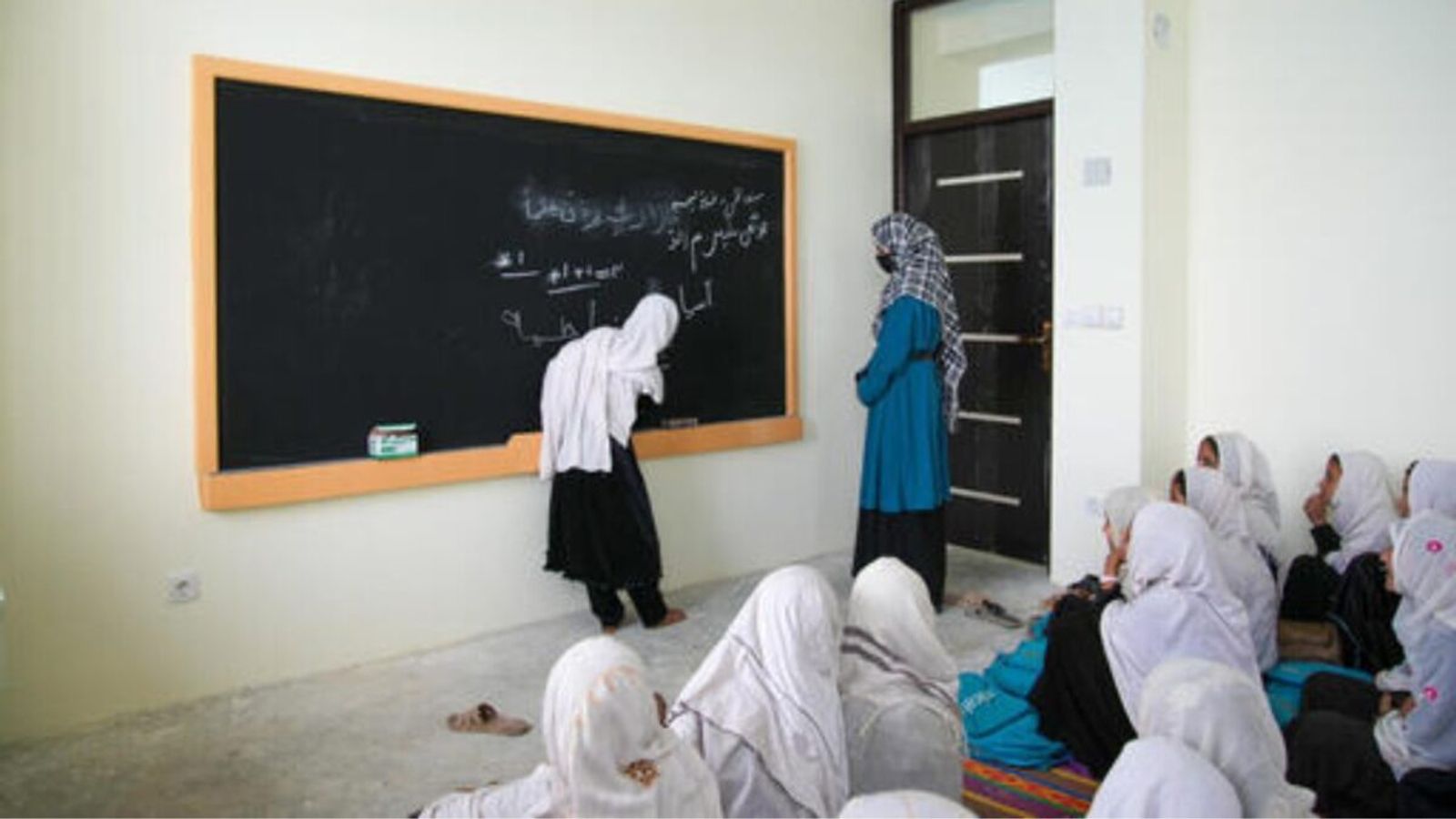
Mandatory transfers implemented by the Taliban have relocated female teachers in Kabul to schools far from their residences, combining with salary delays and allowance cuts to create severe economic hardships that have forced some to quit their jobs.
Affected teachers report being moved from south Kabul to the north and from the north to the west. One teacher described being transferred to Chashma Dugh school after the month of Haml. Another was shifted from Kotal to Qasaba.
Salaries for female teachers have been delayed by two to three months. Allowances for those teaching classes higher than sixth grade were reduced to 5,000 afghanis and later stopped entirely. Separately, allowances were cut by 20% with payments delayed for over two months.
"The transfers are mandatory, and with the salary issues, it's impossible to continue," one teacher said. The combination of distant postings and financial strains has led multiple women to leave their positions.
Women's rights activist Tarana Saidi stated that these restrictions on female teachers form part of the Taliban's systematic policy to restrict and control women.
Read the original reporting at Amu TV →
Reliability assessment
Single source (Amu TV) provides direct quotes from multiple affected female teachers with concrete, checkable details (specific locations like Chashma Dugh, Qasaba, Kotal; timing after Haml month; allowance amounts and delays). Named women's rights activist Tarana Saidi provides on-record attribution for her statement.
The source language mixes facts with framing or advocacy wording. Amu TV: "forced some to leave their duty", "systematically restrict and deprive women", "policy to control women" – these phrases from teachers and activists introduce emotional hardship and advocacy framing.
Independent web corroboration
An independent web search turned up no separate corroborating reports. Treat the account as single-sourced until more outlets pick it up.
Across the newsrooms
Filed by
Amu TV
Originating
Framed
Framed
Filed under
Society — Taliban, female teachers, Kabul, Tarana Saidi, women's rights
Reader supported
Keep Ehtebar running
Every published story uses paid tools to translate reporting, compare sources, extract claims, and produce a clearer read on Afghanistan. Reader support helps keep that work independent.
€5
helps cover daily verification runs
€15
supports a week of source comparison
€50
keeps independent analysis moving
More in Society
Health Officials and Experts Discuss Rise in Black Jaundice Cases in Afghanistan
— Reliable
Discussion on Agricultural Products and Health Services in Samangan Province
— Reliable
WHO Report Cites Taliban Restrictions and Funding Shortfalls as Threats to Health Services in Afghanistan
— Reliable
Afghan officials report returns of families from Pakistan and Iran alongside releases from Pakistani prisons
— Reliable