
ECONOMY — March 24, 2026
Pakistan's Trade with Gulf Countries Drops Nearly 10% as Kabul Suspends Ties
Pakistan's exports and imports with Gulf countries fell nearly 10% in the past month, according to the Dawn newspaper, amid Kabul's suspension of all trade ties and closure of the transit route to Central Asia. Farmers in Khyber Pakhtunkhwa and Balochistan face major losses from spoiled agricultural produce due to export disruptions.
The Ehtebar Desk — originates with Bakhtar News — 2 min read
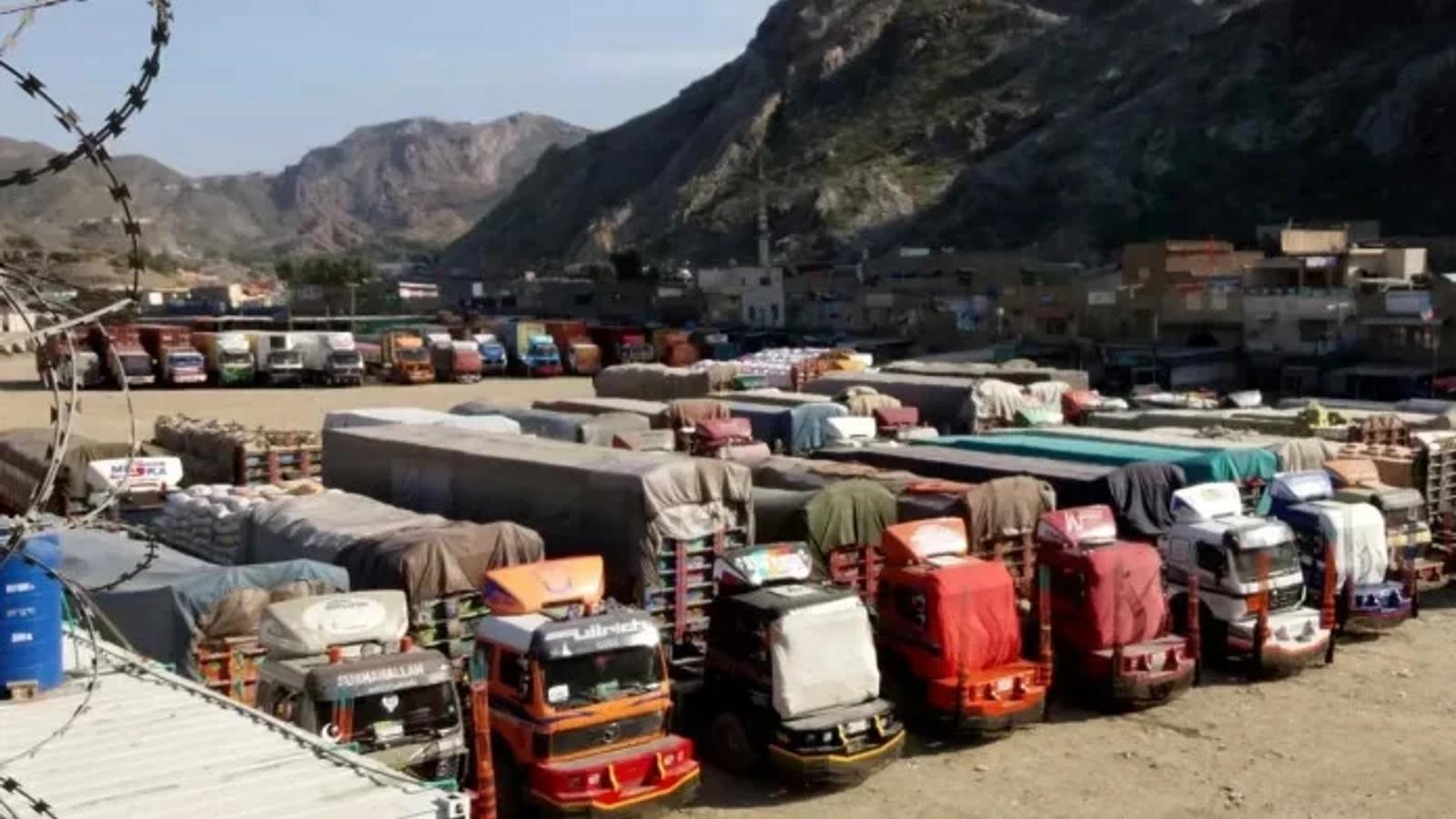
Pakistani media have reported a sharp decline in the country's trade levels in recent months, indicating an intensifying economic crisis and eroding trust from trading partners.
The Dawn newspaper reported that Pakistan's exports and imports with Gulf countries decreased by nearly 10 percent in the past month of the current calendar year. This drop occurred even as trade relations with Afghanistan and Central Asian countries had already faced serious challenges.
Kabul has suspended all trade dealings with Pakistan, citing the political and instrumental use of economic relations. It has also closed Pakistan's transit route to Central Asia, delivering a heavy blow to the transit-dependent Pakistani economy.
Economic experts point to a combination of factors, including political instability, the army's prominent role in economic decision-making, declining international trust, internal insecurity, ongoing conflicts, rupee depreciation, rising inflation and an energy crisis, as reducing foreign investor interest.
Pakistani traders and farmers have criticized government economic policies, stating that disruptions in exports and lack of suitable markets have led to a large volume of agricultural products, especially fruits and vegetables, spoiling and causing huge losses this year. Analysts note that the greatest pressure falls on farmers in Khyber Pakhtunkhwa and Balochistan provinces, whose economies depend heavily on agriculture and trade across the Durand Line and with Afghanistan.
The decline in trade with Middle Eastern countries has raised concerns about Pakistan's depleting foreign reserves, given that a significant portion of its foreign currency earnings comes from exports to Arab markets. Experts warn that continuation of this trend could lead to a deeper economic crisis, higher unemployment and further devaluation of the national currency.
Read the original reporting at Bakhtar News →
Reliability assessment
Single source (Bakhtar News) provides concrete, checkable details including a named outlet (Dawn newspaper) for the 10% trade decline with Gulf countries; core event of trade decline corroborated via attribution; Afghan government action (Kabul suspension) stated directly with policy context.
The source language mixes facts with framing or advocacy wording. Bakhtar News: "alarm bell for the economy" (sensationalizes the trade decline as an urgent warning); "heavy blow" (dramatizes the impact of Afghanistan's actions); "huge losses" (emotionally emphasizes farmers' suffering to evoke sympathy).
Independent web corroboration
An independent web search turned up no separate corroborating reports. Treat the account as single-sourced until more outlets pick it up.
Across the newsrooms
Filed by
Bakhtar News
Originating
Framed
Framed
Filed under
Economy — Pakistan, Afghanistan, Kabul, Khyber Pakhtunkhwa, Balochistan
Reader supported
Keep Ehtebar running
Every published story uses paid tools to translate reporting, compare sources, extract claims, and produce a clearer read on Afghanistan. Reader support helps keep that work independent.
€5
helps cover daily verification runs
€15
supports a week of source comparison
€50
keeps independent analysis moving
More in Economy
Economic Commission Approves 37 Domestic Standards and 12 Testing Methods
— Reliable

Taliban Governor Says Around 700 Mines Under Extraction in Panjshir
— Reliable
Daily Production at Baghlan's Ghori Cement Factory Increases to 700 Tons
— Reliable

Two Irrigation and Flood-Prevention Projects Completed in Zabul
— Reliable