
SOCIETY — March 25, 2026
Ravadi Human Rights Institution Reports Taliban Restrictions on Media and Expression in 2025
The Ravadi human rights institution reported that the Taliban intensified restrictions on freedom of expression and media in 2025 through monitoring, threats, arrests and torture. These measures have caused widespread self-censorship among journalists and sources, while blocking access to prisons and direct testimonies.
The Ehtebar Desk — originates with Hasht-e Subh — 2 min read
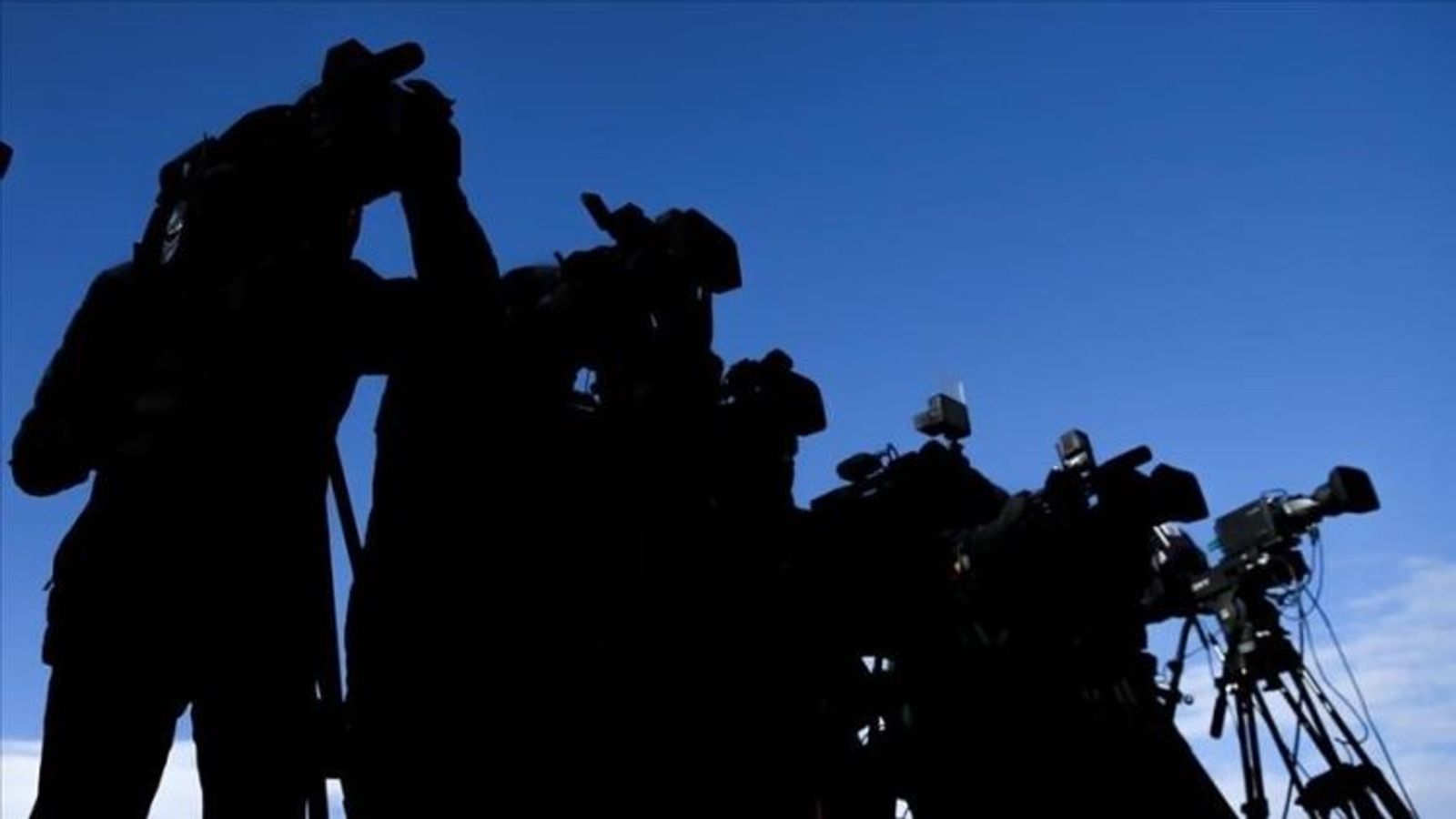
KABUL (Afghan Verified) — The Ravadi human rights institution released a report stating that the Taliban imposed stricter restrictions on freedom of expression, access to information and media activities in 2025.
Ravadi said Taliban intelligence agencies, the Ministry for the Promotion of Virtue and Prevention of Vice, and the Information and Culture Department monitored social media users and in numerous cases threatened, arrested, tortured and mistreated individuals who published information related to human rights violations.
The report stated that local journalists and media outlets cannot collect or publish information without written permission from the Information and Culture Department. Those who violate these rules have been arrested and tortured on charges of "spying for foreigners" or "propaganda against the system."
Ravadi warned that these restrictions have led to widespread self-censorship and the concealment of many human rights violations, severely threatening the personal security of journalists and human rights activists.
The findings indicated that the Taliban have threatened victims' family members, eyewitnesses and local sources to refrain from providing information, and in some cases asked them to share false narratives with the media.
According to the report, prisoners, especially those who have been tortured, have been forced to remain silent about their experiences, limiting access to direct testimonies and increasing the risk of retaliatory actions. Ravadi emphasized that media and human rights organizations have no access to prisons and detention centers, and Taliban officials are prohibited from providing information to independent institutions or media.
The report was announced on Wednesday, 5 Hamal.
Read the original reporting at Hasht-e Subh →
Reliability assessment
Single source (Hasht-e Subh) reports directly on a named organization (Ravadi) releasing a specific, dated report (5 Hamal) with concrete details on Taliban agencies and practices; 'Ravadi stated X' is verifiable attribution.
The source language mixes facts with framing or advocacy wording. Hasht-e Subh: "Taliban suppress local journalists and sources" (title uses 'suppress' to frame actions as oppressive); "threatened, arrested, tortured, and mistreated" (lists violent actions with emotional weight); "widespread self-censorship" (implies severe, pervasive chilling effect). These phrases mix reporting with advocacy framing and value-laden terms.
Independent web corroboration
An independent web search turned up no separate corroborating reports. Treat the account as single-sourced until more outlets pick it up.
Across the newsrooms
Filed by
Hasht-e Subh
Originating
Framed
Framed
Filed under
Society — Taliban, Ravadi, freedom of expression, journalists, human rights
Reader supported
Keep Ehtebar running
Every published story uses paid tools to translate reporting, compare sources, extract claims, and produce a clearer read on Afghanistan. Reader support helps keep that work independent.
€5
helps cover daily verification runs
€15
supports a week of source comparison
€50
keeps independent analysis moving
More in Society
Health Officials and Experts Discuss Rise in Black Jaundice Cases in Afghanistan
— Reliable

Discussion on Agricultural Products and Health Services in Samangan Province
— Reliable
WHO Report Cites Taliban Restrictions and Funding Shortfalls as Threats to Health Services in Afghanistan
— Reliable
Afghan officials report returns of families from Pakistan and Iran alongside releases from Pakistani prisons
— Reliable