
SOCIETY — March 25, 2026
Ravadi Reports at Least 80 Former Afghan Government Employees Killed or Wounded in 2025
Human rights group Ravadi reported at least 80 former Afghan government employees were killed or wounded in targeted attacks in 2025, mainly by Taliban intelligence, down slightly from prior years. The annual report also detailed 1,154 total casualties, worsening women's rights and increased restrictions on minorities and media.
The Ehtebar Desk — originates with Amu TV — 2 min read
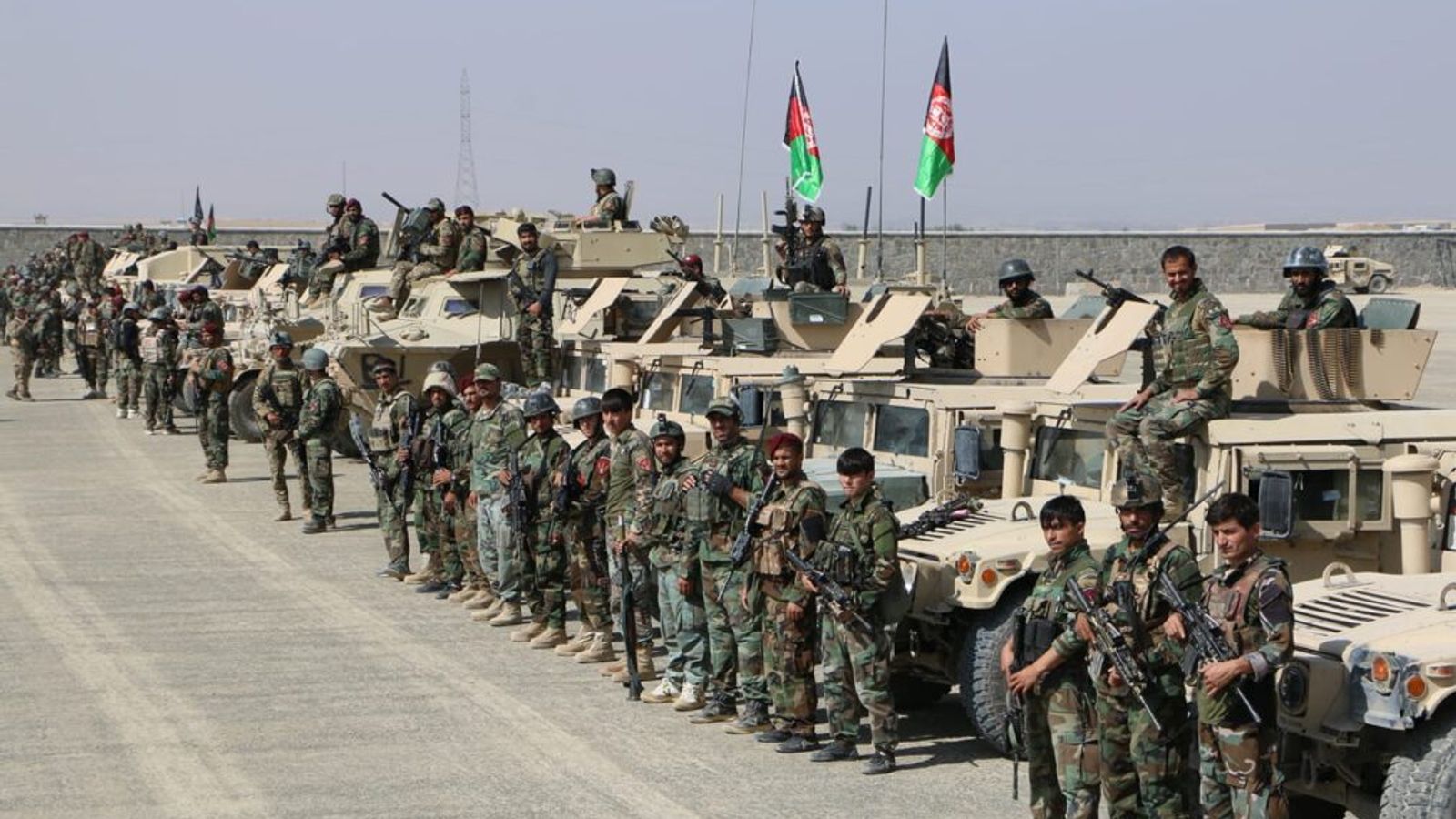
KABUL (Afghan Verified) — The human rights group Ravadi stated in its annual report on 2025 that at least 80 former Afghan government employees were extrajudicially killed or wounded in targeted attacks, many involving Taliban intelligence. The figure represents a 12% decrease from 91 cases in 2024 and a 3.6% decrease from 83 in 2023.
Ravadi said the report is based on direct conversations with victims, survivors, eyewitnesses and local sources, as well as supplementary documents including official correspondence, judicial records, photos and audio files. The group cited the killing of a former soldier in Arghandab district of Kandahar province after a verbal altercation that led to Taliban gunfire.
Ravadi reported that Taliban intelligence has targeted former employees using various tactics for revenge, often attributing killings to unknown armed individuals and pressuring victims' families not to pursue justice. Individuals who documented these incidents have been arrested and imprisoned.
The report documented at least 1,154 people killed or wounded in 2025 from targeted attacks, explosions and Pakistani airstrikes: 617 killed, including 473 men, 53 women and 91 children; and 537 wounded, including 405 men, 56 women and 76 children. Victims included former government employees and families, journalists, activists, protesters, women, children, tribal elders and those accused of opposing the Taliban.
Ravadi stated that women's rights worsened, with denials of education, employment, movement and justice, alongside the 'Amr bil Maruf wa Nahi anil Munkar' law creating discrimination that could amount to gender-based torture and crimes against humanity. Taliban courts imposed corporal punishments like flogging and public humiliations. Ethnic and religious minorities faced job restrictions, resource access limits and curbs on religious rituals.
New Taliban restrictions, including social media surveillance, journalist arrests, internet shutdowns and media curbs, fostered fear and self-censorship. Ravadi warned its findings may not capture all violations and urged the international community, UN and others to act.
Read the original reporting at Amu TV →
Reliability assessment
Single source (Amu TV) reports on named organization Ravadi's annual report with concrete details (specific numbers, methodology, named location/example in Arghandab, Kandahar); verifiable as 'Ravadi stated X' with checkable attribution.
The source language reads straight.
Independent web corroboration
An independent web search turned up no separate corroborating reports. Treat the account as single-sourced until more outlets pick it up.
Across the newsrooms
Filed by
Amu TV
Originating
Reported straight
Reported straight
Filed under
Society — Ravadi, Taliban, former government employees, Kandahar, human rights violations
Reader supported
Keep Ehtebar running
Every published story uses paid tools to translate reporting, compare sources, extract claims, and produce a clearer read on Afghanistan. Reader support helps keep that work independent.
€5
helps cover daily verification runs
€15
supports a week of source comparison
€50
keeps independent analysis moving
More in Society
Health Officials and Experts Discuss Rise in Black Jaundice Cases in Afghanistan
— Reliable

Discussion on Agricultural Products and Health Services in Samangan Province
— Reliable
WHO Report Cites Taliban Restrictions and Funding Shortfalls as Threats to Health Services in Afghanistan
— Reliable
Afghan officials report returns of families from Pakistan and Iran alongside releases from Pakistani prisons
— Reliable