
SOCIETY — May 2, 2026
Rising Child Labor in Kabul Sparks Calls for Educational and Economic Support
Rising child labor in Kabul has intensified calls for government intervention to expand educational access and address household poverty. While the Ministry of Labor and Social Affairs has previously pledged support, it has not recently addressed the growing trend.
The Ehtebar Desk — originates with ToloNews — 2 min read
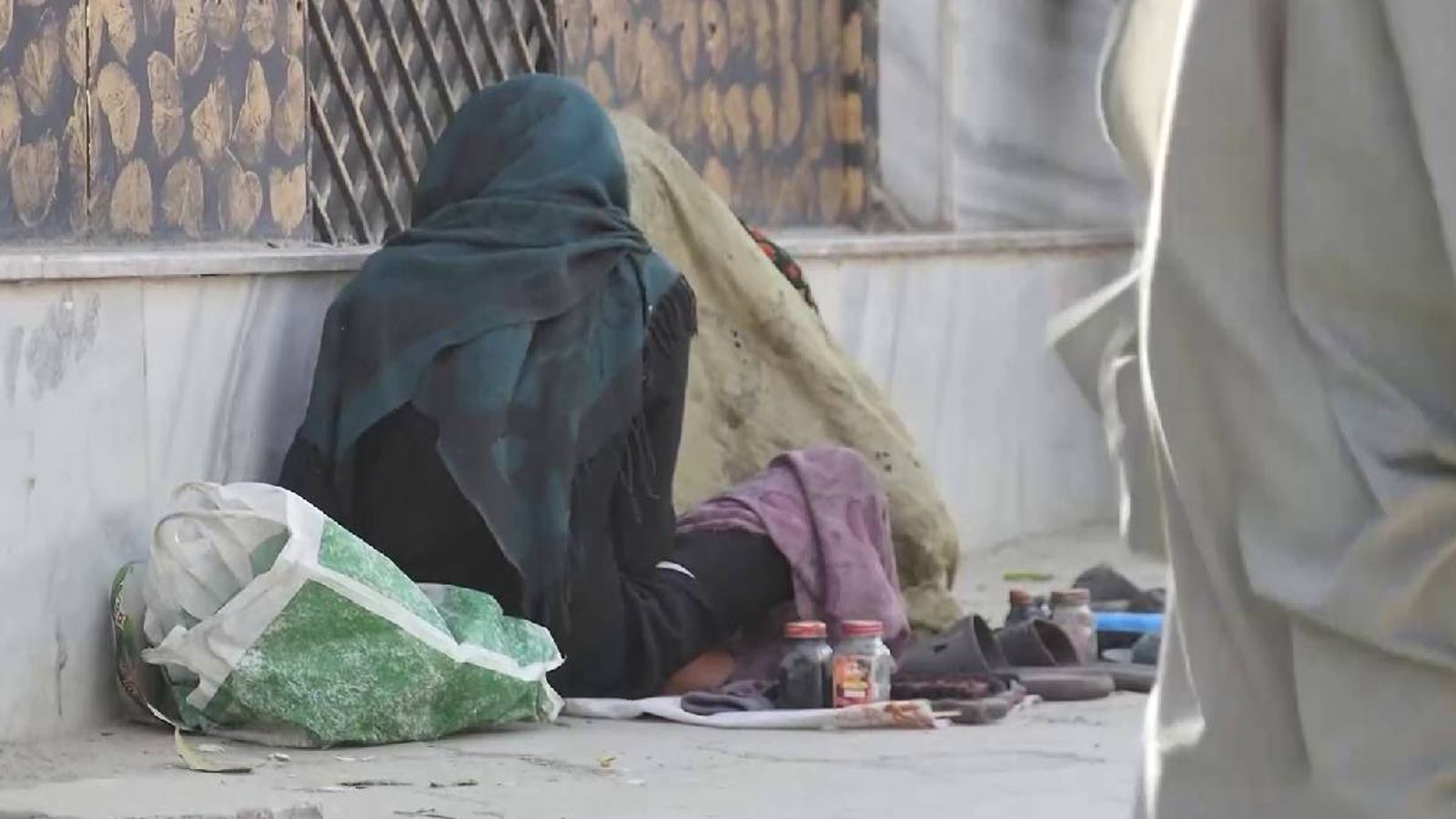
The growing presence of child laborers on the streets and in markets across Kabul has drawn attention to worsening economic conditions and limited access to formal education. Children and residents report that minors are increasingly spending long hours working instead of attending school, driven by severe household poverty and a shortage of stable employment opportunities for adults.
In neighborhoods including the Qargha district, young workers have stated that financial necessity forces them into street labor to support their families. Local residents have echoed these concerns, publicly urging authorities to intervene by expanding educational access and creating viable economic alternatives for vulnerable households. Advocates warn that the continued reliance on child labor poses long-term risks to social development and public welfare.
The Ministry of Labor and Social Affairs has previously expressed support for initiatives aimed at assisting working children and protecting their rights. However, the ministry has not issued recent public statements addressing the current surge in street labor, despite earlier commitments to address the issue. Officials and community members continue to call for coordinated efforts to reintegrate these children into the education system while providing sustainable livelihoods for their families.
As economic pressures persist, the visibility of minors engaged in informal work remains a focal point for local discussions on poverty alleviation and social policy. Residents emphasize that without targeted government action and expanded schooling programs, the cycle of child labor is likely to continue affecting Kabul’s most vulnerable communities.
Read the original reporting at ToloNews →
Reliability assessment
Single source provides direct, on-record interviews with named residents and child laborers, citing specific locations (Kabul, Qargha district) and detailing the socio-economic drivers of child labor. The report meets the reliability threshold for single-source attribution with concrete, checkable details and named subjects.
The source language mixes facts with framing or advocacy wording. ToloNews: Phrases like 'warning bell for society' and 'lose their childhood on the streets under the burden of labor' employ emotional framing and advocacy language to elevate a socioeconomic report into a moral appeal for urgent policy intervention.
Across the newsrooms
Filed by
ToloNews
Originating
Framed
Framed
Filed under
Society — Child Labor, Kabul, Ministry of Labor and Social Affairs, Poverty, Education
Reader supported
Keep Ehtebar running
Every published story uses paid tools to translate reporting, compare sources, extract claims, and produce a clearer read on Afghanistan. Reader support helps keep that work independent.
€5
helps cover daily verification runs
€15
supports a week of source comparison
€50
keeps independent analysis moving
More in Society
Health Officials and Experts Discuss Rise in Black Jaundice Cases in Afghanistan
— Reliable

Discussion on Agricultural Products and Health Services in Samangan Province
— Reliable
WHO Report Cites Taliban Restrictions and Funding Shortfalls as Threats to Health Services in Afghanistan
— Reliable
Afghan officials report returns of families from Pakistan and Iran alongside releases from Pakistani prisons
— Reliable