INTERNATIONAL — April 21, 2026
Russian Publication Urges Broader Afghan Policy Amid Border Tensions and Project Delays
A Russian publication aligned with the Foreign Ministry has urged Moscow to diversify its Afghanistan policy beyond the Taliban, citing stalled infrastructure projects and escalating border clashes with Pakistan. The analysis highlights ongoing diplomatic and trade ties alongside conflicting casualty reports from the recent conflict.
The Ehtebar Desk — originates with Amu TV — 2 min read
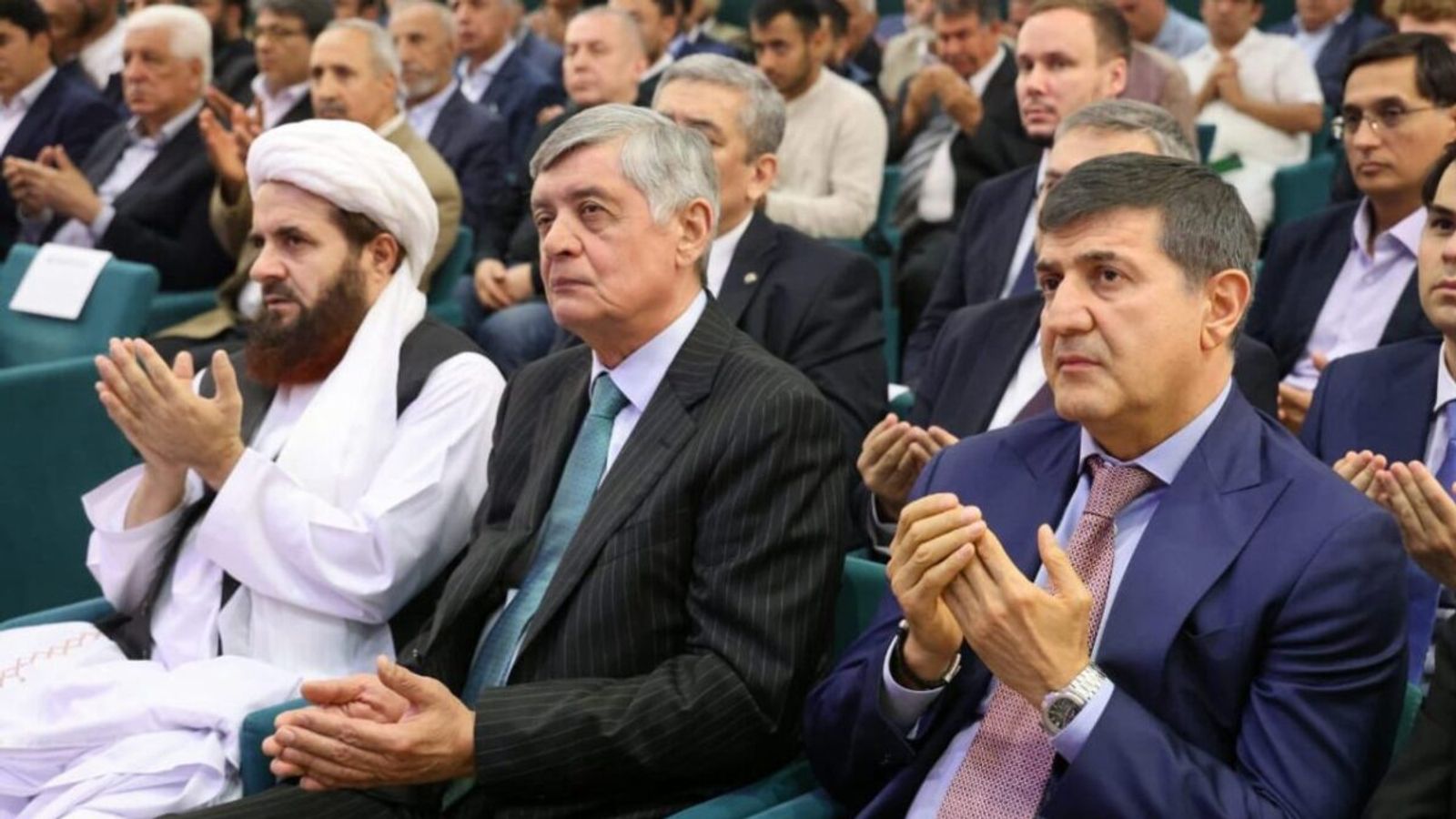
A Russian publication aligned with the Foreign Ministry has warned that Moscow’s exclusive reliance on the Taliban for its Afghanistan policy poses strategic risks amid escalating cross-border clashes with Pakistan. In an analysis published by Kommersant, orientalist Oleg Akulinichev argued that regional instability threatens Russian economic and security interests, urging a more balanced diplomatic approach.
The warning follows statements from Zamir Kabulov, Russia’s special representative for Afghanistan, who confirmed that ongoing border tensions have directly disrupted Russian infrastructure initiatives, including the Trans-Afghan Railway. Despite these setbacks, Russia has continued to normalize ties with the Taliban through diplomatic engagement and commercial agreements. Bilateral trade currently stands at $538 million annually, with negotiations over Russian fuel exports reportedly nearing completion.
The border conflict has resulted in significant civilian displacement and casualties. According to the United Nations Office for the Coordination of Humanitarian Affairs, clashes between late February and early April 2026 have killed 97 civilians and displaced nearly 100,000 people. Taliban authorities, however, estimate that the actual death toll is up to ten times higher. Recent mediation efforts facilitated by China in Urumqi have not succeeded in halting renewed cross-border attacks, further complicating regional stability.
Analysts note that while Moscow has maintained consistent economic and diplomatic channels with the Taliban, the current security environment underscores the need for diversified engagement strategies to safeguard long-term investments and regional partnerships.
Read the original reporting at Amu TV →
Reliability assessment
Single-source report but provides direct, on-record attribution to a named publication (Kommersant), a named author (Oleg Akulinichev), and a named official (Zamir Kabulov). Concrete, checkable details are provided (UN OCHA casualty/displacement figures, specific trade volumes, named infrastructure projects). Per verification guidelines, attributable statements from named figures and publications are reliable regardless of topic sensitivity. Internal discrepancy on casualty figures (UN OCHA vs. Taliban claims) is noted but does not undermine the reliability of the reported statements.
The source language reads straight.
Independent web corroboration
An independent web search turned up no separate corroborating reports. Treat the account as single-sourced until more outlets pick it up.
Across the newsrooms
Filed by
Amu TV
Originating
Reported straight
Reported straight
Filed under
International — Russia, Taliban, Pakistan, Zamir Kabulov, Trans-Afghan Railway
Reader supported
Keep Ehtebar running
Every published story uses paid tools to translate reporting, compare sources, extract claims, and produce a clearer read on Afghanistan. Reader support helps keep that work independent.
€5
helps cover daily verification runs
€15
supports a week of source comparison
€50
keeps independent analysis moving