
ECONOMY — April 23, 2026
Taliban Auto-Rickshaw Ban in Herat Leaves Thousands of Drivers Unemployed, Locals Say
Four months after the Taliban banned auto-rickshaws from central Herat, local sources report that ongoing confiscations and fines have left approximately 50,000 drivers unemployed and triggered severe financial hardship. Drivers also allege that traffic officers charge a fee to return impounded vehicles.
The Ehtebar Desk — originates with Amu TV — 2 min read
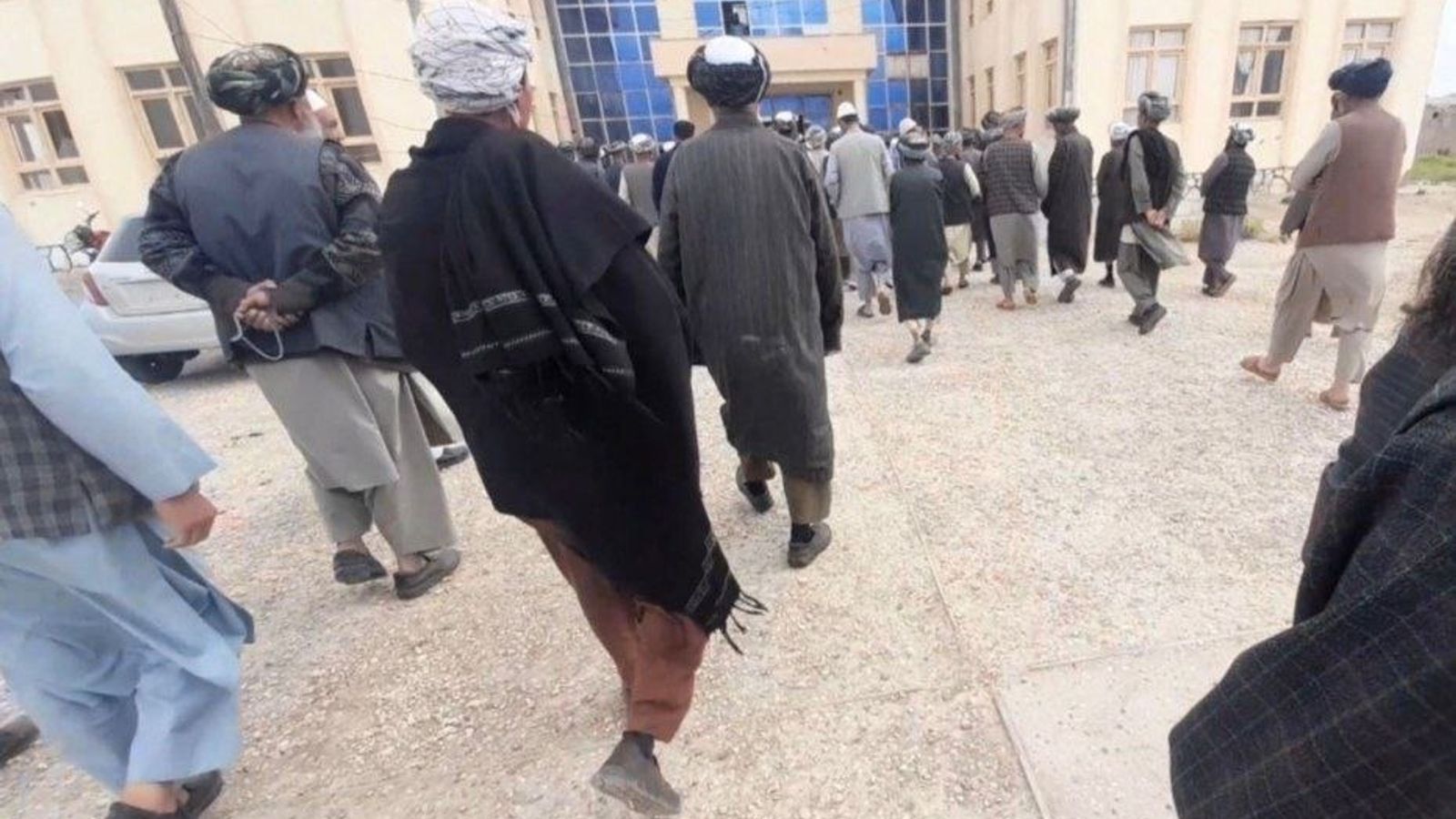
Four months after the Taliban prohibited auto-rickshaws from operating in central Herat, local drivers and residents report that the restriction has severely disrupted livelihoods and triggered widespread unemployment. Traffic officers in the city continue to stop, fine, and impound vehicles daily, according to those affected by the policy.
Local sources estimate that the ban has left approximately 50,000 auto-rickshaw drivers without work. The sudden loss of income has forced many into debt and housing insecurity, with several drivers describing the measure as an unjust policy that has upended their financial stability.
The economic fallout is also evident in the local vehicle market. Market prices for auto-rickshaws have plummeted from a range of 150,000 to 200,000 Afghanis to between 50,000 and 80,000 Afghanis, significantly devaluing assets that many drivers purchased through loans or personal savings.
Drivers have also raised concerns regarding the handling of impounded vehicles. Some allege that traffic officers charge a fee, described as a rental payment, to return confiscated auto-rickshaws to their owners. The allegations point to ongoing financial strain for drivers who are already struggling to cover basic living expenses.
The restriction remains in effect across the city center, with traffic police maintaining regular enforcement operations. Local residents continue to call for a review of the policy, citing the widespread economic hardship it has imposed on working families in Herat.
Read the original reporting at Amu TV →
Reliability assessment
Single source (Amu TV) provides direct, on-record quotes from named local drivers/residents, specific location (Herat), timeline (four months post-ban), and concrete economic figures (unemployment estimates, vehicle price depreciation). While cross-source corroboration is absent, the detailed attribution and specific checkable details meet the threshold for reliable status under single-source guidelines.
The source language mixes facts with framing or advocacy wording. Amu TV: The text relies on emotionally loaded phrasing such as "made us unemployed and housebound," "a great injustice has been done to our people," and "lying idle in a corner of the house." These quotes and the article's exclusive focus on driver hardship, without balancing official statements or policy rationale, frame the ban through advocacy language and emotional victimization rather than neutral reporting.
Across the newsrooms
Filed by
Amu TV
Originating
Framed
Framed
Filed under
Economy — Herat, Taliban, Auto-rickshaws, Unemployment, Local Economy
Reader supported
Keep Ehtebar running
Every published story uses paid tools to translate reporting, compare sources, extract claims, and produce a clearer read on Afghanistan. Reader support helps keep that work independent.
€5
helps cover daily verification runs
€15
supports a week of source comparison
€50
keeps independent analysis moving
More in Economy
Economic Commission Approves 37 Domestic Standards and 12 Testing Methods
— Reliable

Taliban Governor Says Around 700 Mines Under Extraction in Panjshir
— Reliable
Daily Production at Baghlan's Ghori Cement Factory Increases to 700 Tons
— Reliable
Two Irrigation and Flood-Prevention Projects Completed in Zabul
— Reliable