
SOCIETY — March 21, 2026
Taliban Prevents Shiites in Kabul from Holding Eid al-Fitr Prayers on Saturday, Eyewitnesses Say
Eyewitnesses reported that Taliban forces blocked Shiites from entering mosques in Kabul's Dasht-e Barchi and west Kabul to hold Eid al-Fitr prayers on Saturday, despite the Taliban's declaration of Thursday as the holiday. Most Afghan Shiites followed religious leader Ali Sistani's guidance to observe Eid on Saturday.
The Ehtebar Desk — originates with Afghanistan International — 2 min read
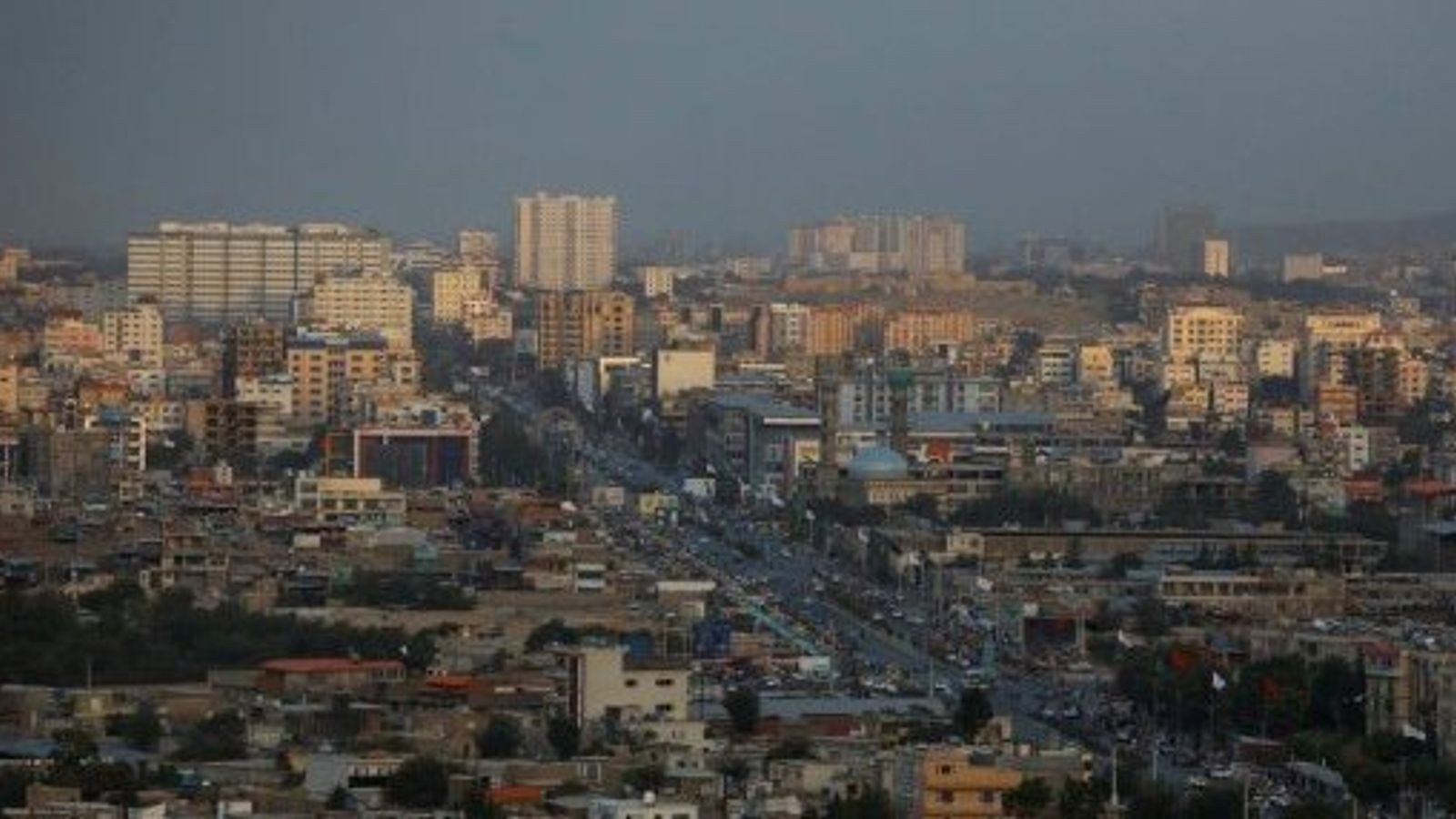
Taliban forces stationed themselves at the entrances of Shiite mosques in Kabul, including Dasht-e Barchi and west Kabul, preventing Shiites from holding Eid al-Fitr prayers on Saturday, according to eyewitnesses.
An eyewitness from Kabul's sixth district said: "The Taliban do not allow Shiites to enter the mosques."
Another eyewitness from Dasht-e Barchi reported that Taliban forces prevented the holding of Eid prayers on Saturday.
Most Shiites in Afghanistan observed Eid al-Fitr on Saturday, following declarations by religious authorities including Ali Sistani, who has followers in the country. The Taliban had declared Thursday as Eid al-Fitr and instructed Shiites to celebrate and pray on that day. Shiite clerics stated that determining the Eid date follows religious authorities.
Sources said the Taliban previously arrested a number of Shiite clerics. The Taliban has not commented officially on the matter.
Followers of the Shia faith in countries including Iran, Pakistan and Iraq also marked Saturday as the first day of Eid al-Fitr.
Read the original reporting at Afghanistan International →
Reliability assessment
Single source provides direct eyewitness quotes with concrete, checkable details including specific locations (west Kabul, Kabul's sixth district, Dasht-e Barchi) and timing (Saturday); Taliban non-comment noted; aligns with prior sourcing on arrests.
The source language reads straight.
Across the newsrooms
Filed by
Afghanistan International
Originating
Reported straight
Reported straight
Filed under
Society — Taliban, Shiites, Kabul, Eid al-Fitr, Dasht-e Barchi
Reader supported
Keep Ehtebar running
Every published story uses paid tools to translate reporting, compare sources, extract claims, and produce a clearer read on Afghanistan. Reader support helps keep that work independent.
€5
helps cover daily verification runs
€15
supports a week of source comparison
€50
keeps independent analysis moving
More in Society
Health Officials and Experts Discuss Rise in Black Jaundice Cases in Afghanistan
— Reliable

Discussion on Agricultural Products and Health Services in Samangan Province
— Reliable
WHO Report Cites Taliban Restrictions and Funding Shortfalls as Threats to Health Services in Afghanistan
— Reliable
Afghan officials report returns of families from Pakistan and Iran alongside releases from Pakistani prisons
— Reliable