INTERNATIONAL — April 21, 2026
The Durand Line: Historical Context and International Legal Perspectives
The Durand Line, established in 1893, is increasingly viewed through international legal frameworks as a recognized boundary rather than a disputed territory. Historical Afghan political discourse has heavily emphasized the border and Pashtunistan, contrasting with minimal state attention given to other territorial adjustments.
The Ehtebar Desk — originates with Amu TV — 2 min read
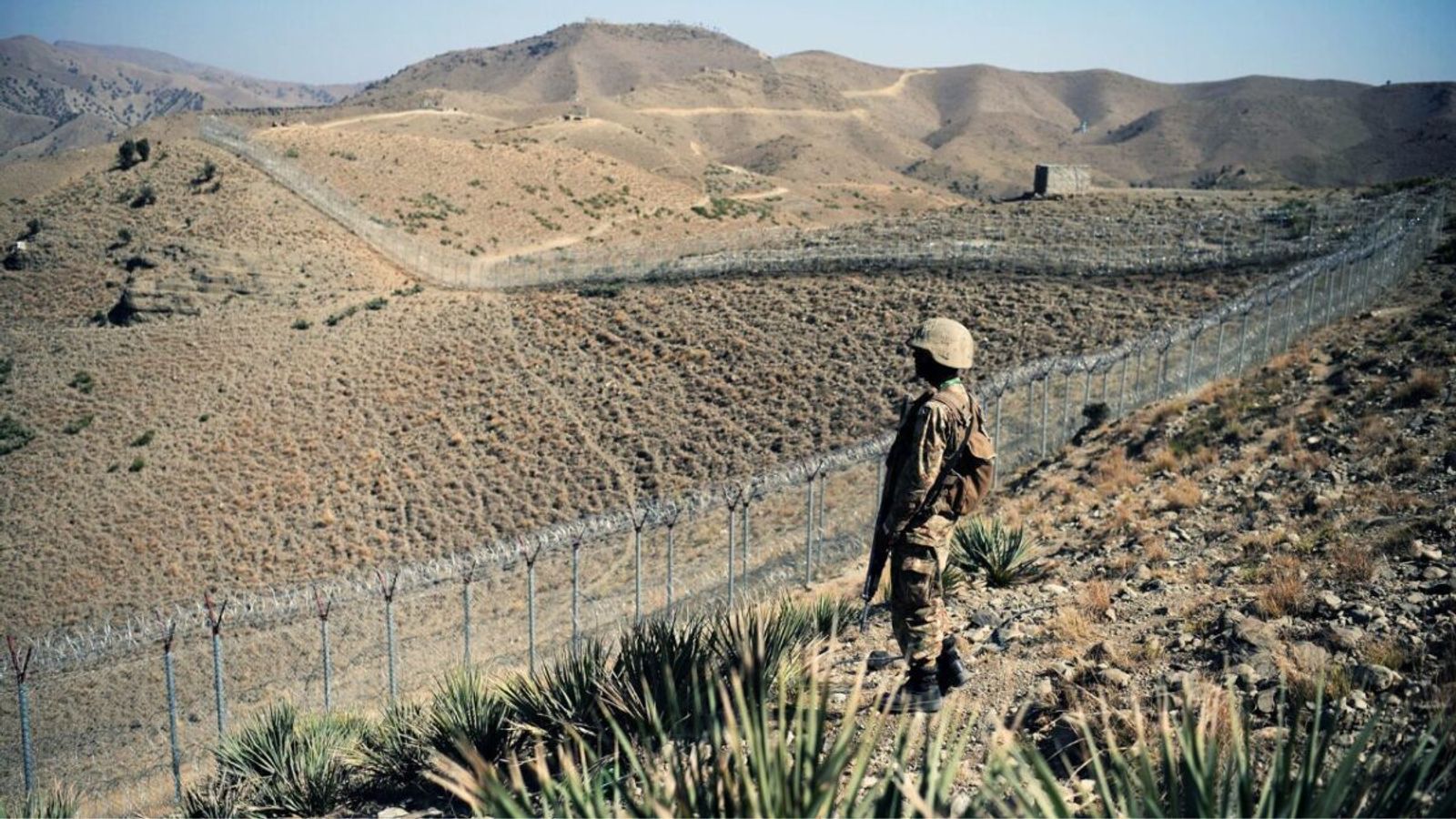
The Durand Line, established through an 1893 agreement between Afghan Amir Abdur Rahman and British representative Mortimer Durand, was originally intended to delineate administrative jurisdictions and spheres of influence. Over the decades, its legal status has remained a subject of historical and political debate, though international legal frameworks increasingly treat it as a recognized international boundary.
Under established principles of international law, including state succession and the doctrine of uti possidetis, colonial-era borders are generally preserved upon independence and transferred to successor states. Legal analysts frequently reference the International Court of Justice’s ruling in the Burkina Faso v. Mali case to illustrate how existing administrative lines are maintained to ensure regional stability. Pakistan has consistently maintained this position, treating the boundary as a settled international border and declining to engage in negotiations that would classify it as a disputed territory.
Afghan political discourse has historically focused heavily on the Durand Line and the broader concept of Pashtunistan, particularly during the administration of former President Mohammad Daoud. This emphasis stands in contrast to other historical territorial adjustments in regions such as Badakhshan, Herat, and Zabul, which did not generate comparable state-level political demands. The divergence highlights a selective focus within Afghanistan’s diplomatic and nationalist narratives regarding border demarcations.
While the boundary continues to feature prominently in regional discussions, the application of established legal precedents suggests that the line functions as a recognized international border rather than an unresolved diplomatic dispute. The historical and legal frameworks surrounding the agreement continue to shape how both Kabul and Islamabad approach cross-border administration and regional security.
Read the original reporting at Amu TV →
Reliability assessment
Single-source analytical piece that cites concrete, verifiable historical and legal references (1893 Durand Agreement text, ICJ Burkina Faso v. Mali precedent, documented Afghan foreign policy under Daoud). No conflicting reports or contested breaking events are present; the historical/legal claims are attributable and checkable. Per guidelines, a single source with direct, concrete attribution and verifiable details qualifies as reliable.
The source language reads straight.
Independent web corroboration
An independent web search turned up no separate corroborating reports. Treat the account as single-sourced until more outlets pick it up.
Across the newsrooms
Filed by
Amu TV
Originating
Reported straight
Reported straight
Filed under
International — Durand Line, Afghanistan-Pakistan Relations, International Law, Pashtunistan, Amir Abdur Rahman
Reader supported
Keep Ehtebar running
Every published story uses paid tools to translate reporting, compare sources, extract claims, and produce a clearer read on Afghanistan. Reader support helps keep that work independent.
€5
helps cover daily verification runs
€15
supports a week of source comparison
€50
keeps independent analysis moving