
SOCIETY — April 7, 2026
UN Special Rapporteur Warns Taliban Restrictions Create Health Access Crisis for Afghan Women
UN Special Rapporteur Richard Bennett warned on World Health Day that Taliban restrictions on Afghan women's movement, education and work have created serious barriers to health services, leading to preventable suffering. He called for urgent international action amid a collapsing health system exacerbated by aid disruptions.
The Ehtebar Desk — originates with Amu TV — corroborated by Hasht-e Subh and Afghanistan International — 2 min read
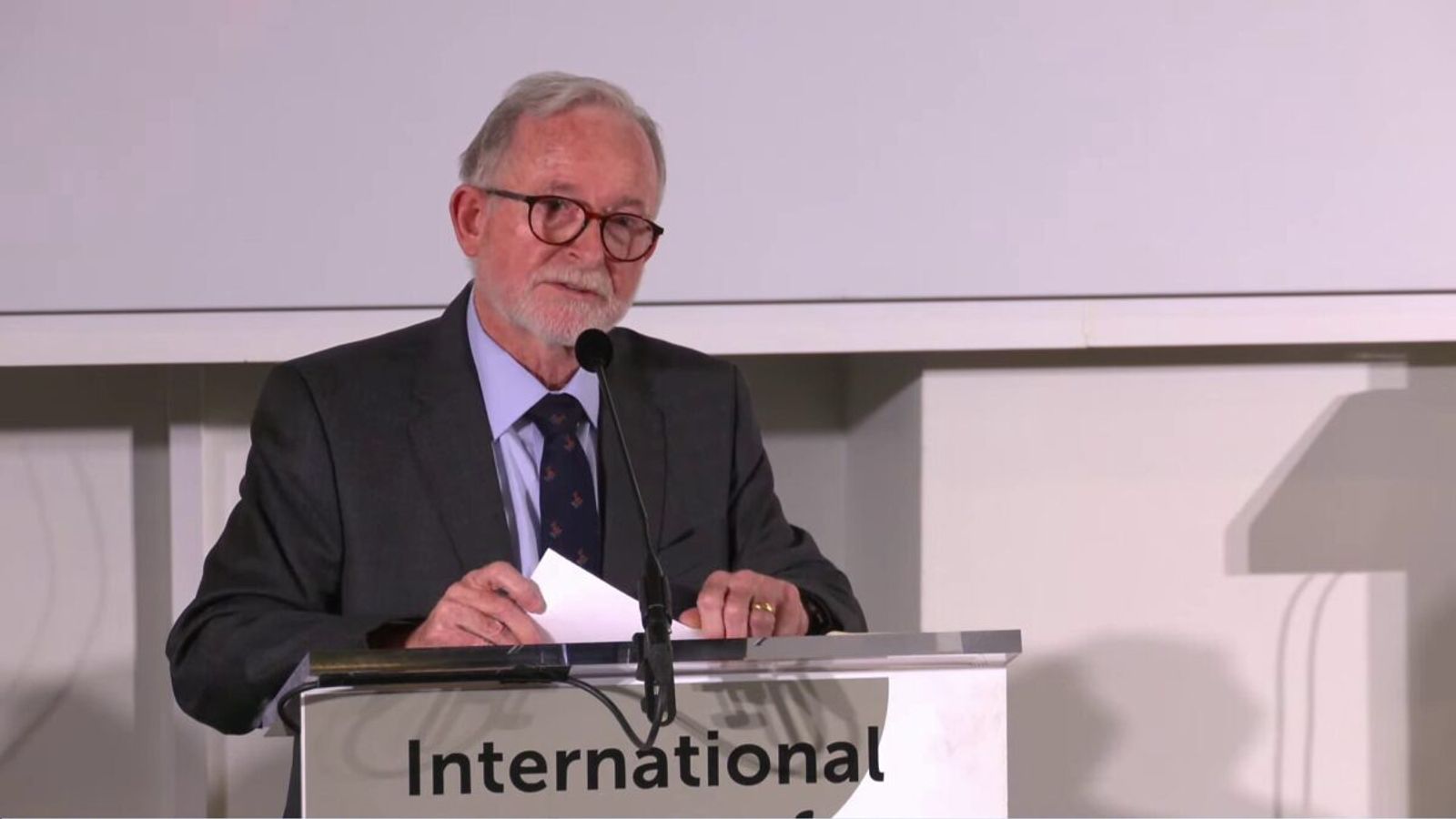
Richard Bennett, the United Nations Special Rapporteur on the situation of human rights in Afghanistan, stated on World Health Day that Afghan women and girls face serious barriers to accessing health services due to Taliban restrictions on their movement, education and employment of female health workers.
Bennett highlighted that discriminatory policies, shortages of female health staff and curbs on women's education and mobility are the main factors fueling a crisis in health service access. He noted that restrictions on girls' higher education and medical institutes over the past four years have exacerbated the shortage of female health workers.
Afghanistan's health system has collapsed since the Taliban's return to power, leading to the closure of treatment centers and reduced access, particularly in remote areas, Bennett said. International organizations including the International Committee of the Red Cross, International Organization for Migration, World Health Organization and UN Population Fund have described the health system as critically weakened by war, economic challenges, reduced aid and restrictions that disproportionately affect women and children.
Regional conflicts, including those with Pakistan and the war in the Middle East, have hindered aid delivery, while the Taliban has requested medical assistance and the UN has warned of rising health needs, according to Bennett.
Bennett urged the international community to take immediate action to restore women's rights and dignity, ensuring fulfillment of health rights and adherence to international commitments.
Read the original reporting at Amu TV →
Reliability assessment
3 independent outlets corroborate statements by named UN Special Rapporteur Richard Bennett ('X said Y') on World Health Day regarding Taliban restrictions causing health access barriers for women/girls; minor detail variations do not affect core attribution.
The source language mixes facts with framing or advocacy wording. Afghanistan International: "Taliban’s restrictive policies systematically violate the fundamental rights of women" (presents policy impact as deliberate systemic rights violation); "health system collapsed" (dramatic language implying total failure); "suffering and preventable deaths" (emotional framing of consequences).; Hasht-e Subh: "discriminatory policies", "restrictive policies of this group" – these phrases use loaded terms like 'discriminatory' and 'restrictive' to frame Taliban policies negatively with mild emotional and advocacy framing.
Across the newsrooms
Where reports agree
- Richard Bennett made statements on World Health Day (April 7/18) about barriers to health services for Afghan women/girls due to discriminatory Taliban policies and restrictions on education/movement/work.
- Urgent action required from international community to address the crisis.
Where reports differ
- Source 1 reports health system collapse and aid delivery issues due to regional conflicts, not mentioned elsewhere.
- Source 2 includes specific quotes/reports from ICRC, IOM, WHO, UNFPA on health crisis details, not in other sources.
Filed by 3 outlets
Amu TV
Originating
Reported straight
Reported straight
Hasht-e Subh
Framed
Framed
Afghanistan International
Framed
Framed
Filed under
Society — Richard Bennett, UN Special Rapporteur, Taliban, Afghan women, health services
Reader supported
Keep Ehtebar running
Every published story uses paid tools to translate reporting, compare sources, extract claims, and produce a clearer read on Afghanistan. Reader support helps keep that work independent.
€5
helps cover daily verification runs
€15
supports a week of source comparison
€50
keeps independent analysis moving
More in Society
Health Officials and Experts Discuss Rise in Black Jaundice Cases in Afghanistan
— Reliable
Discussion on Agricultural Products and Health Services in Samangan Province
— Reliable
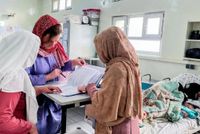
WHO Report Cites Taliban Restrictions and Funding Shortfalls as Threats to Health Services in Afghanistan
— Reliable
Afghan officials report returns of families from Pakistan and Iran alongside releases from Pakistani prisons
— Reliable