
SOCIETY — May 2, 2026
UN Warns Restrictions on Women’s Education and Employment Threaten Afghanistan’s Future
The United Nations and UNICEF warn that ongoing restrictions on girls' education and women's employment could cost Afghanistan approximately 25,000 female teachers and health workers by 2030, threatening long-term social and economic stability.
The Ehtebar Desk — originates with Hasht-e Subh — 2 min read
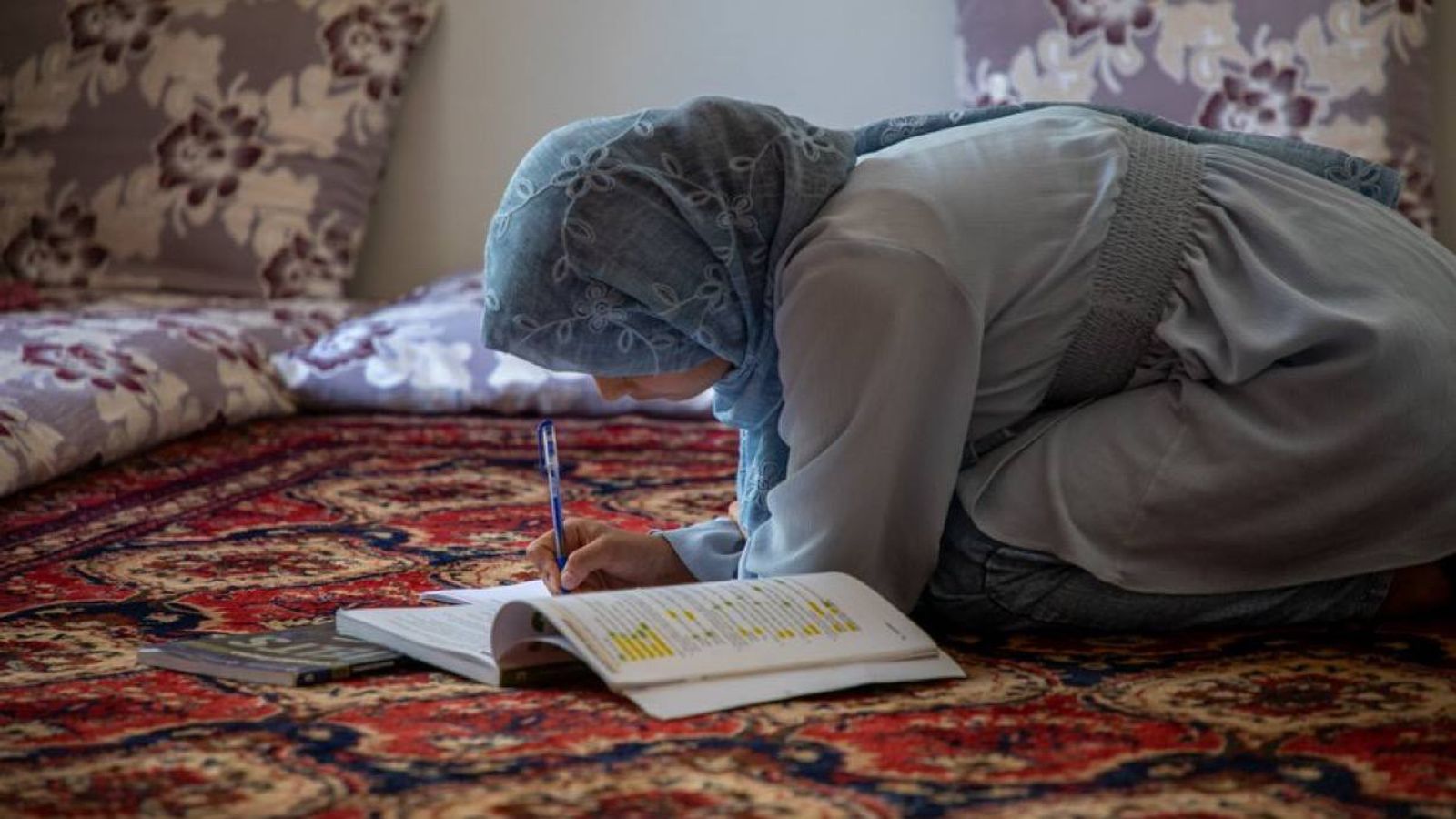
The United Nations has issued a formal warning that ongoing restrictions on girls’ education and women’s employment in Afghanistan could severely undermine the country’s long-term development. The alert follows a recent UNICEF report outlining the projected social and economic consequences of current policies.
According to the report, the continued exclusion of women from schools and the workforce is expected to result in the loss of approximately 20,000 female teachers and 5,400 health sector workers by 2030. United Nations officials emphasized that this decline in female professionals will directly affect the quality of education and healthcare services available to children and communities across the country.
The report also highlights that limiting women’s participation in public life extends beyond immediate social impacts, projecting significant economic damage for Afghanistan. UN representatives noted that the absence of women in key sectors disrupts essential service delivery and hinders national recovery efforts.
Officials stressed that reversing these trends is critical to safeguarding Afghanistan’s future. The United Nations reiterated its call for the full restoration of educational and professional rights for women and girls, stating that sustainable development cannot be achieved without their active participation in society.
The warning comes amid ongoing international scrutiny of Afghanistan’s domestic policies, with humanitarian and development agencies repeatedly urging authorities to lift bans on female education and employment. The UN and UNICEF continue to monitor the situation and assess the long-term implications for the country’s social infrastructure and economic stability.
Read the original reporting at Hasht-e Subh →
Reliability assessment
Single source provides direct, on-record attribution to the UN and UNICEF with concrete, checkable details (specific report, projected workforce loss figures, and timeline). The core event (UN/UNICEF issuing a formal warning/report) is clearly attributable and verifiable per verification guidelines.
The source language reads straight.
Independent web corroboration
A separate web search returned 8 matching reports. A selection:
Restrictions on girls’ education and women’s employment in Afghanistan could leave the country with a deficit of over 25,000 female teachers and health workers by 2030, the UN Children’s Fund (UNICEF) warned on Tuesday.
KABUL/FLORENCE/NEW YORK, 28 April 2026 – Afghanistan risks losing up to 20,000 women teachers and 5,400 healthcare workers by 2030 as restrictions on girls’ education and women’s employment continue, according to a new UNICEF analysis.
Restrictions on girls’ education and women’s employment in Afghanistan could leave the country with a deficit of over 25,000 female teachers and health workers by 2030, the UN Children’s Fund (UNICEF) warned on Tuesday.
UNICEF highlighted that the bans on education and employment for Afghan women exposed the country to a double crisis: the loss of trained female professionals and the prevention of future generations from replacing them.
Across the newsrooms
Filed by
Hasht-e Subh
Originating
Reported straight
Reported straight
Filed under
Society — UN, UNICEF, Women's Education, Women's Employment, Afghanistan
Reader supported
Keep Ehtebar running
Every published story uses paid tools to translate reporting, compare sources, extract claims, and produce a clearer read on Afghanistan. Reader support helps keep that work independent.
€5
helps cover daily verification runs
€15
supports a week of source comparison
€50
keeps independent analysis moving
More in Society
Health Officials and Experts Discuss Rise in Black Jaundice Cases in Afghanistan
— Reliable
Discussion on Agricultural Products and Health Services in Samangan Province
— Reliable
WHO Report Cites Taliban Restrictions and Funding Shortfalls as Threats to Health Services in Afghanistan
— Reliable
Afghan officials report returns of families from Pakistan and Iran alongside releases from Pakistani prisons
— Reliable