
ECONOMY — April 15, 2026
UN Women: Only 17 Percent of Returning Migrant Women in Afghanistan Can Earn Income
A UN Women report finds that only 17 percent of migrant women returning to Afghanistan can earn an income, with nearly 40 percent unable to use their skills due to barriers like restrictions and lack of tools. The study, based on 700 women in Herat, Nangarhar and Kabul, urges investments in women's livelihoods to avert food insecurity.
The Ehtebar Desk — originates with Amu TV — corroborated by Pajhwok, Hasht-e Subh and Khaama Press — 2 min read
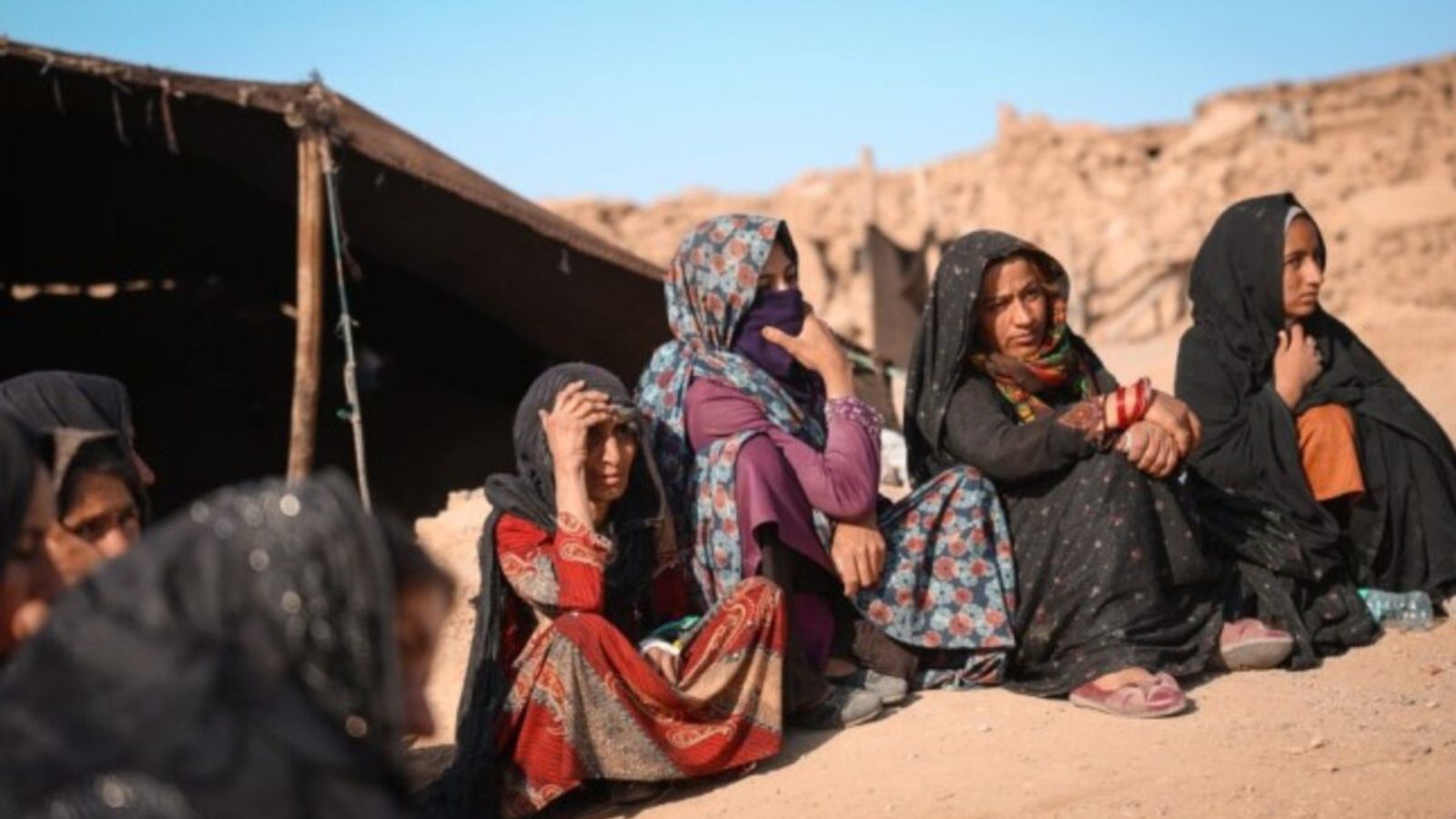
A UN Women report states that only 17 percent of migrant women returning to Afghanistan are able to earn an income, with less than one in every five able to do so.
The study, titled "After Return: Rebuilding Afghan Women's Livelihoods," is based on telephone surveys, interviews, focus groups and workshops involving 700 returning women and stakeholders in Herat, Nangarhar and Kabul provinces.
Nearly 40 percent of these women have professional, technical or digital skills but cannot use them due to a lack of job opportunities. Main barriers include employment and mobility restrictions, limited capital or tools — affecting more than 75 percent — and weak markets. More than 75 percent of women who previously worked in Iran and about two-thirds of those who worked in Pakistan are now unemployed after returning.
Since 2023, more than 5.5 million migrants have returned to Afghanistan from Iran and Pakistan. Women and girls constitute more than 25 percent of returnees from Iran and nearly 50 percent from Pakistan in 2025, with numbers expected to rise from Iran amid the Middle East conflict.
The report warns of heightened risks of food insecurity among these women and calls for targeted investments in livelihoods such as small-scale livestock rearing, food processing and sewing.
Susan Ferguson, UN Women Special Representative in Afghanistan, emphasized the need for women's economic participation, stating that returnee women face significant challenges in rebuilding their livelihoods amid collapsed job markets and restrictions.
Read the original reporting at Amu TV →
Reliability assessment
Four independent Afghan outlets (Amu TV, Pajhwok, Hasht-e Subh, Khaama Press) corroborate the UN Women report's key findings on returning migrant women's income and skills barriers, based on a study of 700 women in Herat, Nangarhar, and Kabul.
The source language reads straight.
Independent web corroboration
A separate web search returned 8 matching reports. A selection:
- Only 17% of Afghan women returnees from Iran and Pakistan are earning an income, new UN Women report finds | UN Women – Asia-Pacificasiapacific.unwomen.org
The report, After return: Rebuilding ... capital and tools, and weak market opportunities. More than three-quarters of returnee women have no tools or capital to generate income
Across the newsrooms
Where reports agree
- UN Women published report 'After Return: Rebuilding Afghan Women's Livelihoods' on returning migrant women's employment challenges.
Filed by 4 outlets
Amu TV
Originating
Reported straight
Reported straight
Pajhwok
Reported straight
Reported straight
Hasht-e Subh
Reported straight
Reported straight
Khaama Press
Framed
Framed
Filed under
Economy — UN Women, Afghan women returnees, livelihoods, Iran, Pakistan
Reader supported
Keep Ehtebar running
Every published story uses paid tools to translate reporting, compare sources, extract claims, and produce a clearer read on Afghanistan. Reader support helps keep that work independent.
€5
helps cover daily verification runs
€15
supports a week of source comparison
€50
keeps independent analysis moving
More in Economy
Economic Commission Approves 37 Domestic Standards and 12 Testing Methods
— Reliable

Taliban Governor Says Around 700 Mines Under Extraction in Panjshir
— Reliable
Daily Production at Baghlan's Ghori Cement Factory Increases to 700 Tons
— Reliable

Two Irrigation and Flood-Prevention Projects Completed in Zabul
— Reliable