
SECURITY — April 13, 2026
UN Women Report: 52 Percent of Victims in Taliban-Pakistan Border Clashes Are Women and Girls
A UN Women report states that 52 percent of over 90,000 people injured in border clashes between the Taliban and Pakistan since late February are women and girls. The clashes have affected 10 provinces and 11,368 families, with limited female aid worker access due to Taliban restrictions.
The Ehtebar Desk — originates with Amu TV — corroborated by Ariana News — 2 min read
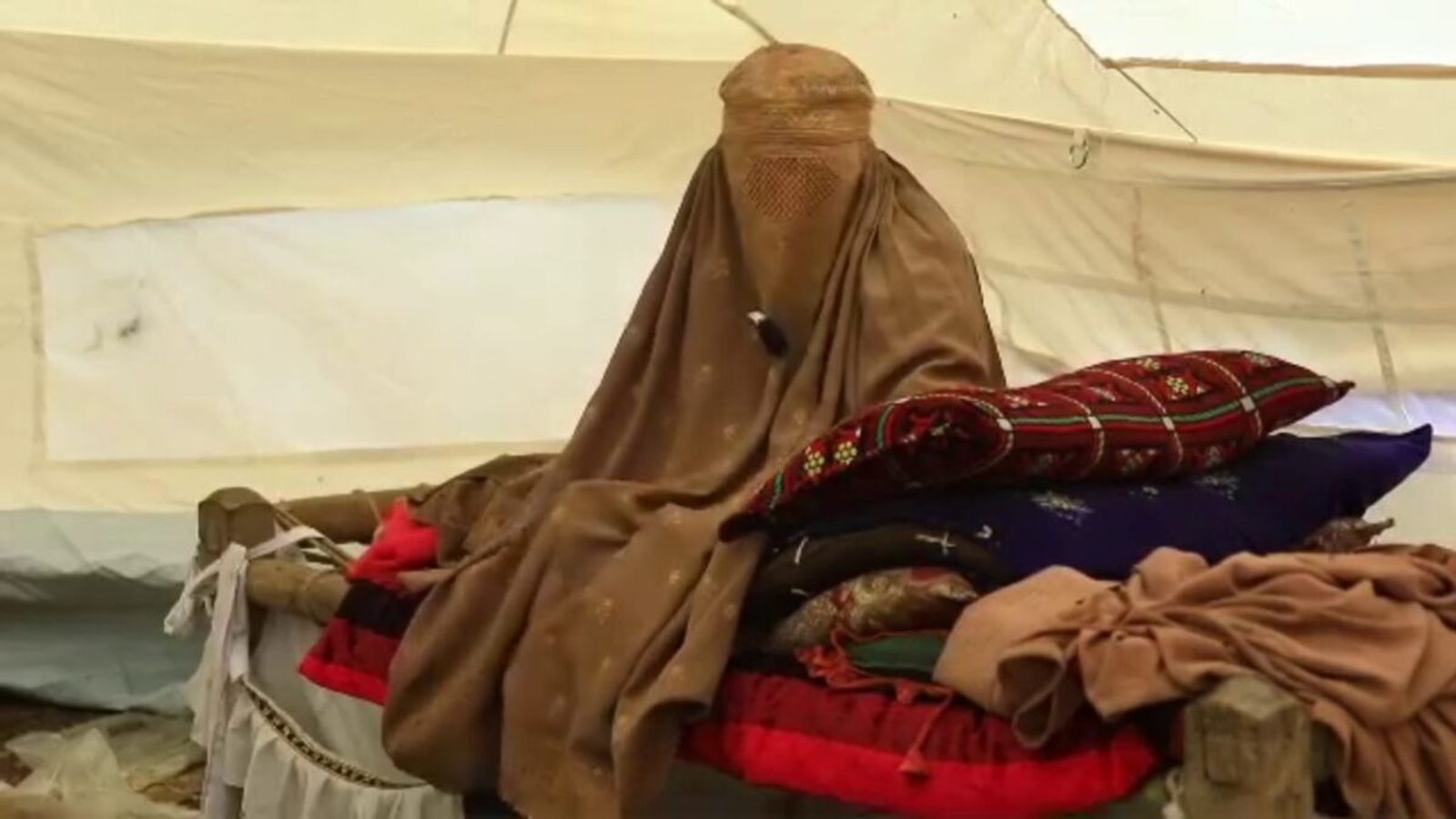
KABUL — A UN Women report states that more than 90,000 people have been injured in border clashes between Taliban forces and Pakistan since late February, with women and girls comprising 52 percent of the victims.
The report specifies 47,604 women and girls injured, compared to 42,303 men and boys. Pakistan's artillery and air attacks have contributed to the clashes, impacting residents across 10 provinces: Kabul, Kandahar, Khost, Kunar, Laghman, Nangarhar, Nuristan, Parwan, Paktia and Paktika.
A total of 11,368 families have been affected, including 935 female-headed households, which account for 8 percent of the total. The report underscores the vulnerability of these families amid ongoing conflict.
Participation by female aid workers has been limited, particularly in southeast regions, due to logistical challenges and restrictions imposed by the Taliban. These barriers have worsened conditions for women, restricting access to humanitarian assistance.
The findings highlight the disproportionate impact on women and girls in the conflict, calling attention to gender-specific challenges in providing aid and support.
Read the original reporting at Amu TV →
Reliability assessment
Two independent Afghan outlets (Amu TV, Ariana News) corroborate the existence and key details of a UN Women report, providing direct attribution to a credible international organization with specific figures on victims in border clashes.
The source language mixes facts with framing or advocacy wording. Amu TV: "made conditions for women 'dire'" - emotional framing of severity; "systematic restrictions imposed by the Taliban" - advocacy phrasing implying deliberate oppression; emotional quote "The only problem we didn't have in our lives was war, and now we have that too" - adds personal distress.
Independent web corroboration
An independent web search turned up no separate corroborating reports. Treat the account as single-sourced until more outlets pick it up.
Across the newsrooms
Filed by 2 outlets
Amu TV
Originating
Framed
Framed
Ariana News
Reported straight
Reported straight
Filed under
Security — UN Women, Taliban, Pakistan, border clashes, Afghanistan provinces
Reader supported
Keep Ehtebar running
Every published story uses paid tools to translate reporting, compare sources, extract claims, and produce a clearer read on Afghanistan. Reader support helps keep that work independent.
€5
helps cover daily verification runs
€15
supports a week of source comparison
€50
keeps independent analysis moving
More in Security
Security Forces Arrest Three Theft Gangs in Herat, Recover 24 Vehicles
— Reliable
Taliban Arrest Seven Civilians in Yaftal District of Badakhshan
— Developing
More Than 30 Killed in Pakistan-Administered Kashmir Election Protests
— Reliable

ISKP Claims Killing of Taliban Information Director in Badakhshan
— Reliable