
SOCIETY — April 23, 2026
UNAMA Calls on Taliban to Lift Girls’ Education Ban on International ICT Day
UNAMA has renewed its call for the Taliban to lift the ban on girls' education and technology access, marking the International Day of Girls in ICT with warnings that over four years of restrictions have excluded millions from schooling and deepened humanitarian vulnerabilities.
The Ehtebar Desk — originates with Amu TV — corroborated by Hasht-e Subh and Khaama Press — 2 min read
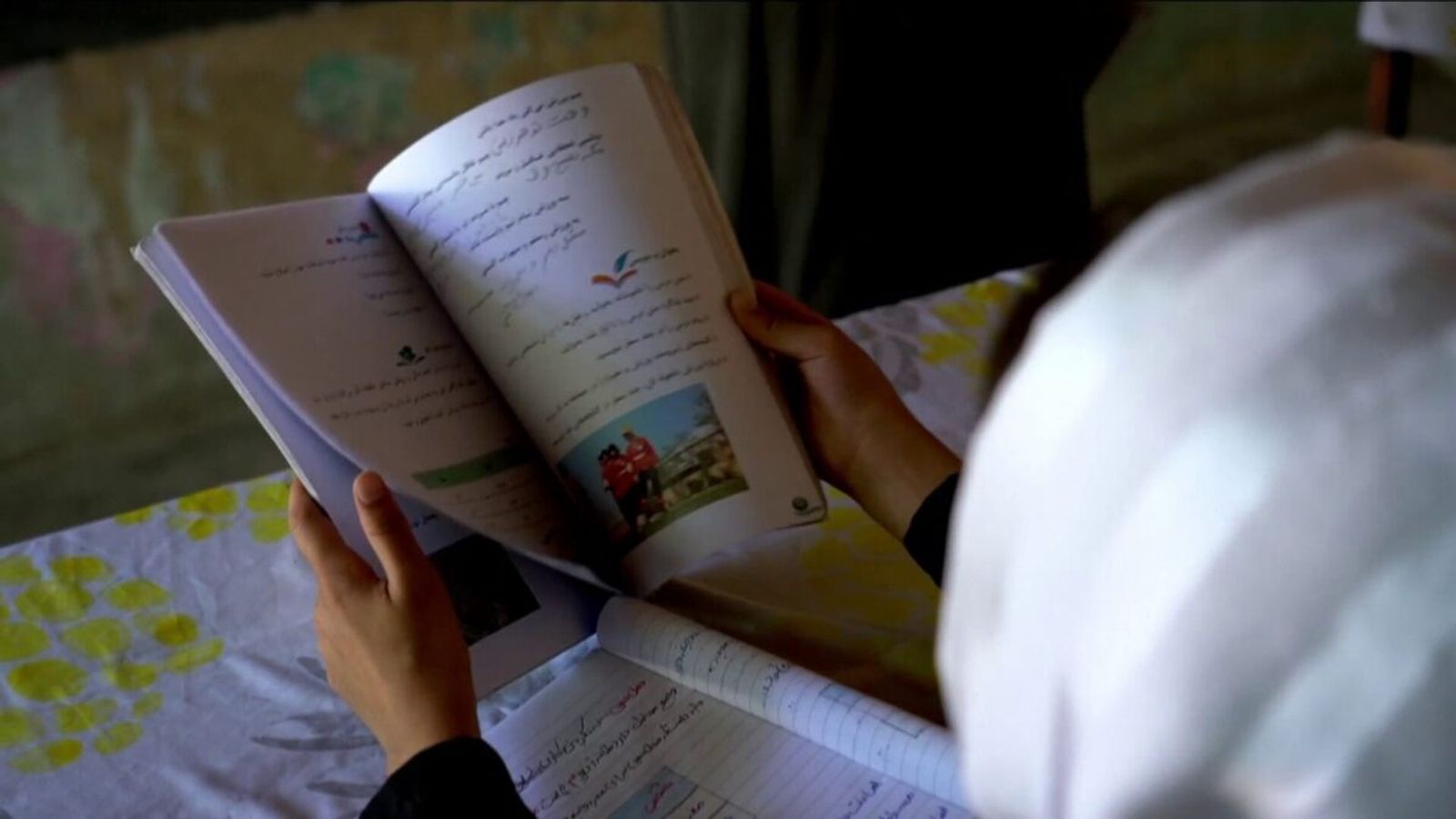
The United Nations Assistance Mission in Afghanistan (UNAMA) issued a statement on April 23 urging the Taliban to lift longstanding restrictions on girls’ education and access to technology. The call coincided with the International Day of Girls in Information and Communications Technology, a day the UN uses to highlight the role of digital literacy in economic development and social progress.
UNAMA warned that more than four years of educational bans have excluded an entire generation of Afghan girls from formal schooling. The mission noted that over two million girls remain out of classrooms, a situation that continues to deepen poverty, widen gender inequality, and disrupt livelihoods for women-led households. UN officials emphasized that access to science and technology education remains critical for long-term economic stability and innovation in the country.
The United Nations Office for the Coordination of Humanitarian Affairs (OCHA) also highlighted the compounding challenges facing Afghan women and girls. OCHA noted that returning deportees and displaced families face severe barriers to essential services, with educational restrictions further increasing their vulnerability amid ongoing humanitarian pressures.
While reports vary slightly on the exact duration of the restrictions, ranging from over one thousand six hundred days to nearly four and a half years, all UN agencies agree that the continued closure of schools to females has had a profound impact on national development. UNAMA reiterated that lifting the bans is necessary to restore basic rights and support the country's integration into global educational frameworks.
Read the original reporting at Amu TV →
Reliability assessment
3 independent outlets corroborate the core event: UNAMA's April 23 statement on International Day of Girls in ICT urging the Taliban to lift education bans, alongside OCHA warnings regarding vulnerable returning women and girls. Minor variations in the exact duration cited (1,600 vs 1,678 days vs ~4.5 years) are normal reporting differences and do not contradict the core facts.
The source language reads straight.
Across the newsrooms
Where reports agree
- UNAMA publicly called on the Taliban to lift the girls' education ban on April 23, coinciding with International Day of Girls in ICT.
- The ban has persisted for over four years since 2021, excluding a generation from formal schooling.
- UN agencies emphasized that ICT education is vital for employment, innovation, and Afghanistan's long-term stability.
- OCHA highlighted the acute vulnerability of returning Afghan women and girls, citing restricted access to education and basic services.
Where reports differ
- Slight numerical variations in the duration of the ban: Hasht-e Subh cites exactly 1,678 days, Khaama Press states over 1,600 days, and Amu TV notes nearly four and a half years.
- Amu TV includes specific figures (>2 million affected girls) and details on increased deportations from Europe/neighboring countries, which the other two sources omit but do not contradict.
Filed by 3 outlets
Amu TV
Originating
Reported straight
Reported straight
Hasht-e Subh
Reported straight
Reported straight
Khaama Press
Reported straight
Reported straight
Filed under
Society — UNAMA, Taliban, Girls' Education, OCHA, ICT Day
Reader supported
Keep Ehtebar running
Every published story uses paid tools to translate reporting, compare sources, extract claims, and produce a clearer read on Afghanistan. Reader support helps keep that work independent.
€5
helps cover daily verification runs
€15
supports a week of source comparison
€50
keeps independent analysis moving
More in Society
Health Officials and Experts Discuss Rise in Black Jaundice Cases in Afghanistan
— Reliable
Discussion on Agricultural Products and Health Services in Samangan Province
— Reliable
WHO Report Cites Taliban Restrictions and Funding Shortfalls as Threats to Health Services in Afghanistan
— Reliable
Afghan officials report returns of families from Pakistan and Iran alongside releases from Pakistani prisons
— Reliable