
SOCIETY — June 12, 2026
UNAMA Warns Taliban Restrictions on Women's Jobs Increase Child Labor in Afghanistan
More than 2.2 million girls are out of school and over one million children are engaged in hard labor, the statement said, as poverty and restrictions on women's employment push families to rely on children for income.
The Ehtebar Desk — originates with Amu TV — corroborated by Hasht-e Subh — 2 min read
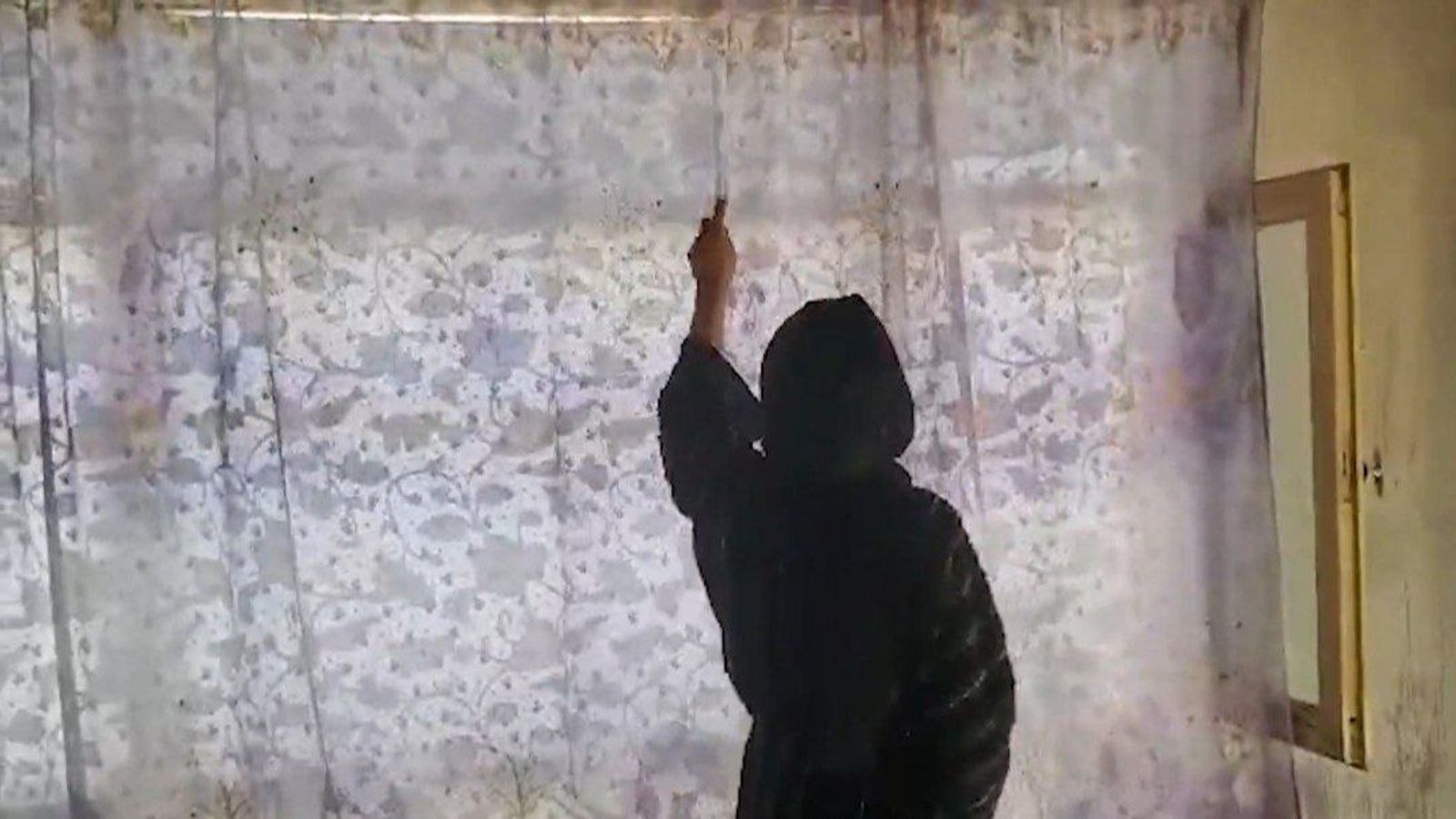
The United Nations Assistance Mission in Afghanistan said restrictions on women's employment are driving more children into the labor market.
In a statement issued on the World Day Against Child Labour, UNAMA warned that depriving children, especially girls, of education exposes them to harmful and exploitative work. The mission noted that many children work in streets, markets, farms, mines and workshops under difficult and dangerous conditions.
UNAMA said Taliban restrictions on women's employment reduce family incomes and push households to rely on child labor amid widespread poverty. It called for job opportunities for adults and equal access to education for all children.
The International Labour Organization reported that 138 million children worldwide remain in child labor, including 54 million in hazardous jobs. Prolonged wars, insecurity and poverty have forced thousands of Afghan children into hard labor, according to the statement.
In Afghanistan, more than 2.2 million girls were out of school in 2025 and over one million children were engaged in hard labor. UNAMA said children should be in school rather than working in dangerous conditions.
Read the original reporting at Amu TV →
Reliability assessment
Two independent Afghan media outlets corroborate the core event: UNAMA's public statement on 22 Jawza linking Taliban gender policies to child labor. Direct attribution to UNAMA with consistent details on messaging and ILO statistics; additional Afghan-specific figures appear in one source without contradiction.
The source language mixes facts with framing or advocacy wording. Amu TV: "deprivation of girls from education increases the risk of child labor and their exploitation", "Taliban's restrictions on women's work have reduced the ability of many families to provide income, forcing them to rely on child labor" - these phrases use loaded terms like 'deprivation', 'forcing', and 'exploitation' to frame policies negatively and imply direct causation with emotional weight.; Hasht-e Subh: "banning women from jobs pushes more children into labor", "children are more exposed to entering the labor market", "deprived of education" - these phrases frame the women's work restrictions as a direct causal factor with negative emotional implications for children, mixing reporting with advocacy phrasing on gender and education issues.
Independent web corroboration
An independent web search turned up no separate corroborating reports. Treat the account as single-sourced until more outlets pick it up.
Across the newsrooms
Where reports agree
- UNAMA linked denial of girls' education and restrictions on women's work to increased child labor and exploitation.
- Both sources report the same UNAMA messaging on World Day Against Child Labour and the need for education and decent work for adults.
- Both cite identical ILO global statistics on child labor (138 million total, 54 million in hazardous work).
- Both note that children should be in school rather than working in dangerous conditions.
Filed by 2 outlets
Amu TV
Originating
Framed
Framed
Hasht-e Subh
Framed
Framed
Filed under
Society — UNAMA, Child Labor, Taliban, Girls Education, Afghanistan
Reader supported
Keep Ehtebar running
Every published story uses paid tools to translate reporting, compare sources, extract claims, and produce a clearer read on Afghanistan. Reader support helps keep that work independent.
€5
helps cover daily verification runs
€15
supports a week of source comparison
€50
keeps independent analysis moving
More in Society
Health Officials and Experts Discuss Rise in Black Jaundice Cases in Afghanistan
— Reliable
Discussion on Agricultural Products and Health Services in Samangan Province
— Reliable
WHO Report Cites Taliban Restrictions and Funding Shortfalls as Threats to Health Services in Afghanistan
— Reliable
Afghan officials report returns of families from Pakistan and Iran alongside releases from Pakistani prisons
— Reliable