
SOCIETY — April 14, 2026
UNICEF: Afghanistan Remains One of World's Largest Humanitarian Crises in 2026
UNICEF reports that Afghanistan continues as one of the world's largest humanitarian crises in 2026, affecting nearly 22 million people including over 11 million children due to conflict, economic issues and eroded services. The agency has provided cash aid, nutrition support and safe water access to hundreds of thousands.
The Ehtebar Desk — originates with Khaama Press — corroborated by Ariana News and Hasht-e Subh — 2 min read
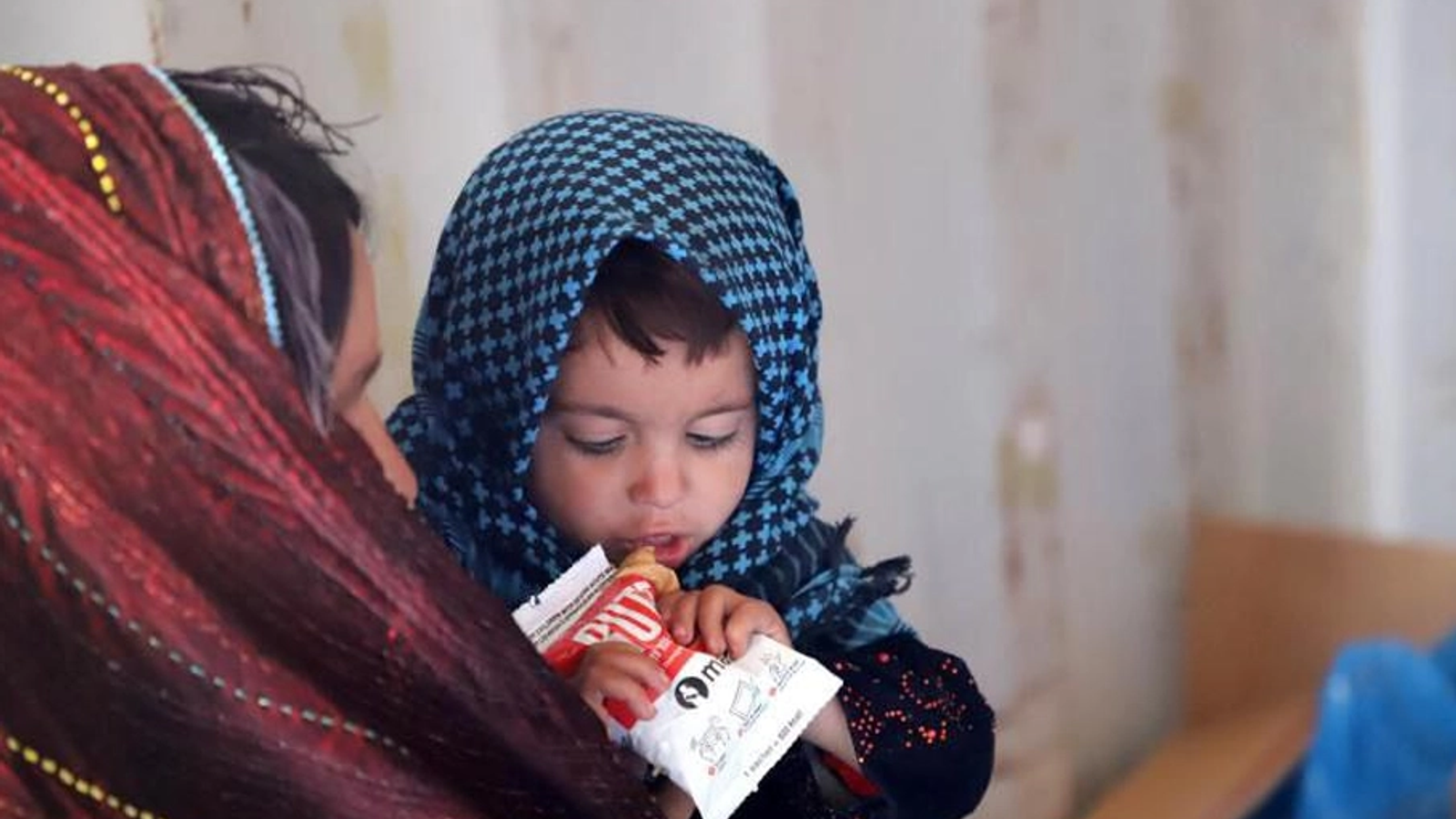
KABUL (Afghan Verified) — The United Nations Children's Fund (UNICEF) has reported that Afghanistan remains one of the world's largest humanitarian crises in 2026, with nearly 22 million people in need of assistance, including more than 11 million children.
UNICEF attributed the crisis to years of conflict, a weak economy, economic collapse and weakened services. The agency highlighted the erosion of human rights as a contributing factor.
In response, UNICEF has provided cash transfers to 52,934 families or households with pregnant and lactating women. The organization delivered nutrition counseling to approximately 180,000 caregivers, multiple micronutrient supplements to around 159,000 pregnant women and about 350,000 children under five, and services to roughly 354,000 people in Samangan province.
Additionally, UNICEF facilitated access to safe drinking water for approximately 78,700 people through water supply systems. The agency called for sustained international aid to address ongoing needs amid the protracted crisis.
Read the original reporting at Khaama Press →
Reliability assessment
Three outlets (Khaama Press, Ariana News, Hasht-e Subh) corroborate UNICEF's on-record report that Afghanistan remains one of the world's largest humanitarian crises in 2026, affecting nearly 22 million people including over 11 million children.
The source language reads straight.
Independent web corroboration
A separate web search returned 8 matching reports. A selection:
- UNICEF: 21.9M Need Aid as Afghanistan Faces Massive Crisis – DID PRESS AGENCY — DID Pressen.didpress.com
United Nations Children's Fund (UNICEF) has reported that Afghanistan remains one of the world’s largest humanitarian emergencies in 2026,
We cannot provide a description for this page right now
Across the newsrooms
Where reports agree
- Afghanistan is one of the world's largest humanitarian crises in 2026 due to conflict, economic issues, and related factors
- Nearly 22 million people require humanitarian assistance
- Over 11 million children need aid
- UNICEF supported 52,934 families with pregnant/lactating women via cash programs
- Services reached ~354,000 people in Samangan province
- Nutrition counseling to ~180,000 caregivers
- ~159,000 pregnant women and ~350,000 children under five received micronutrient supplements
- ~78,700 people gained safe drinking water access
Filed by 3 outlets
Khaama Press
Originating
Reported straight
Reported straight
Ariana News
Reported straight
Reported straight
Hasht-e Subh
Reported straight
Reported straight
Filed under
Society — UNICEF, Afghanistan, humanitarian crisis, Samangan, malnutrition
Reader supported
Keep Ehtebar running
Every published story uses paid tools to translate reporting, compare sources, extract claims, and produce a clearer read on Afghanistan. Reader support helps keep that work independent.
€5
helps cover daily verification runs
€15
supports a week of source comparison
€50
keeps independent analysis moving
More in Society

Health Officials and Experts Discuss Rise in Black Jaundice Cases in Afghanistan
— Reliable
Discussion on Agricultural Products and Health Services in Samangan Province
— Reliable
WHO Report Cites Taliban Restrictions and Funding Shortfalls as Threats to Health Services in Afghanistan
— Reliable
Afghan officials report returns of families from Pakistan and Iran alongside releases from Pakistani prisons
— Reliable