
SOCIETY — June 11, 2026
World Food Programme Warns Strait of Hormuz Closure Has Intensified Hunger Crisis in Afghanistan
The World Food Programme warns that the closure of the Strait of Hormuz has added 2.3 million Afghans to those facing food insecurity, amid global spikes in hunger driven by higher energy and fertilizer prices.
The Ehtebar Desk — originates with Amu TV — 2 min read
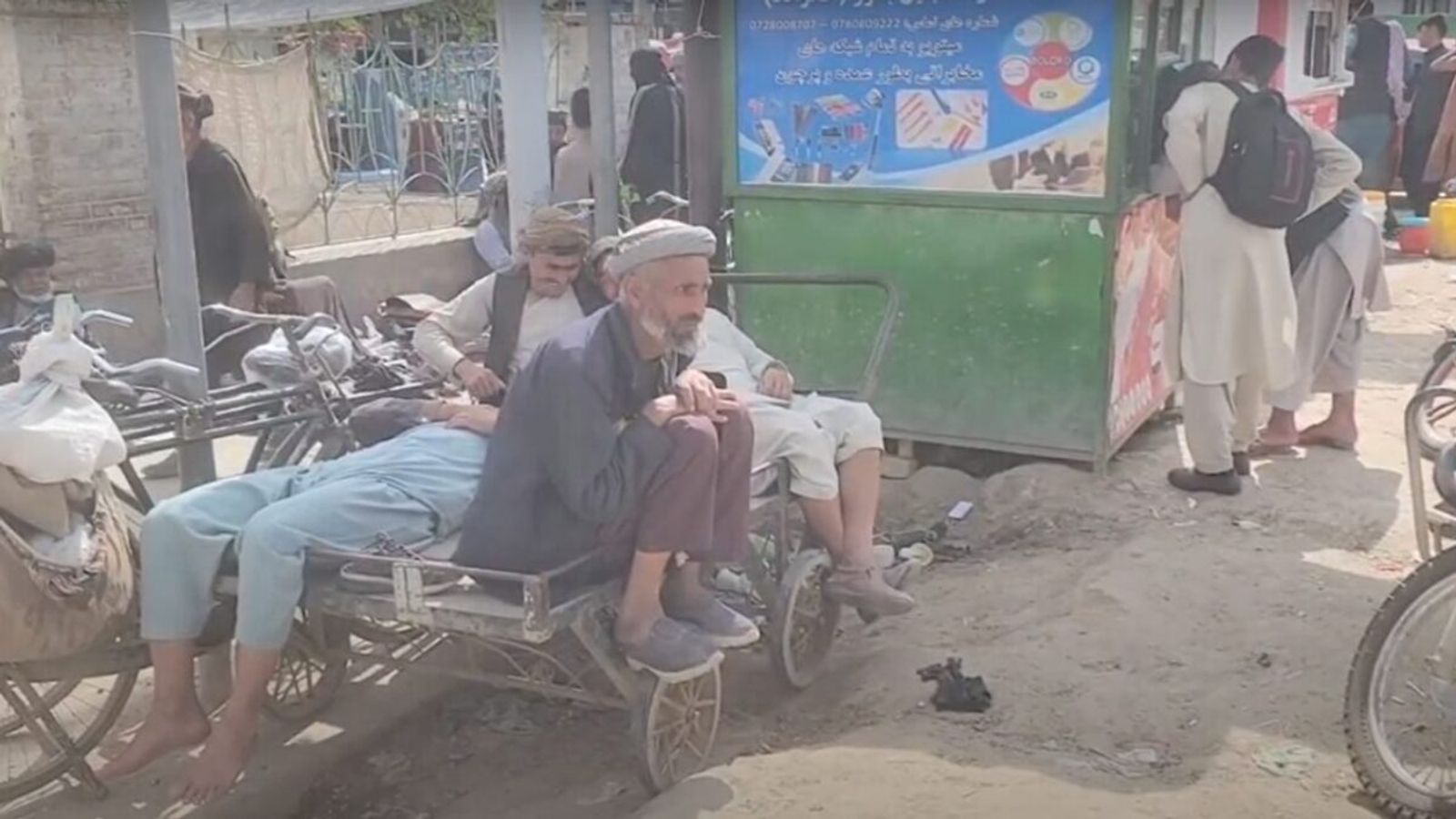
The World Food Programme has warned that the war in the Persian Gulf and prolonged closure of the Strait of Hormuz have pushed an additional 45 million people globally into critical food insecurity, bringing the total to 260 million.
Sharp rises in energy and fertilizer prices are identified as key drivers, with oil prices increasing 30 percent to around 100 dollars per barrel and chemical fertilizer prices rising 50 percent since February.
Afghanistan ranks among the worst affected countries. An additional 2.3 million people there now face food insecurity, while 4.9 million mothers and children already suffer acute malnutrition. Trade routes have been disrupted, with 60 percent of Afghanistan's trade previously routed through Iran until February. Other contributing factors include the prolonged closure of the Pakistan border, floods, earthquakes, and reduced foreign aid.
The World Food Programme has lost 40 percent of its budget in Afghanistan since 2024. Delivery times for aid have increased from 10 days to as long as 75 days, leaving one million children without nutritional support. The agency now reaches only one in seven children in need.
The World Bank reports that Afghanistan's per capita GDP has decreased 5.6 percent.
Read the original reporting at Amu TV →
Reliability assessment
Single source but provides direct on-record attribution from named WFP officials (Jean-Martin Bauer, John Iilef), citations to WFP report and World Bank data, plus concrete checkable details on prices, numbers, timelines and trade routes
The source language mixes facts with framing or advocacy wording. Amu TV: "worst fears of the United Nations are being realized", "intensified the hunger crisis", "most damage" - these phrases add emotional weight and alarmist framing to the factual data on food insecurity.
Across the newsrooms
Filed by
Amu TV
Originating
Framed
Framed
Filed under
Society — World Food Programme, Strait of Hormuz, food insecurity, Afghanistan humanitarian crisis, John Iilef
Reader supported
Keep Ehtebar running
Every published story uses paid tools to translate reporting, compare sources, extract claims, and produce a clearer read on Afghanistan. Reader support helps keep that work independent.
€5
helps cover daily verification runs
€15
supports a week of source comparison
€50
keeps independent analysis moving
More in Society

Health Officials and Experts Discuss Rise in Black Jaundice Cases in Afghanistan
— Reliable

Discussion on Agricultural Products and Health Services in Samangan Province
— Reliable
WHO Report Cites Taliban Restrictions and Funding Shortfalls as Threats to Health Services in Afghanistan
— Reliable
Afghan officials report returns of families from Pakistan and Iran alongside releases from Pakistani prisons
— Reliable