
ECONOMY — March 21, 2026
Afghanistan's Economy Remains Fragile Amid Border Closures and Reduced Aid
Afghanistan's economy faced severe pressure last year from closed Pakistan border crossings, reduced foreign aid, migrant returns and price hikes, leaving Herat residents in extreme poverty during Eid. The UN reports over 20 million people need aid amid insufficient funding, while the Taliban seek new trade routes.
The Ehtebar Desk — originates with Amu TV — 2 min read
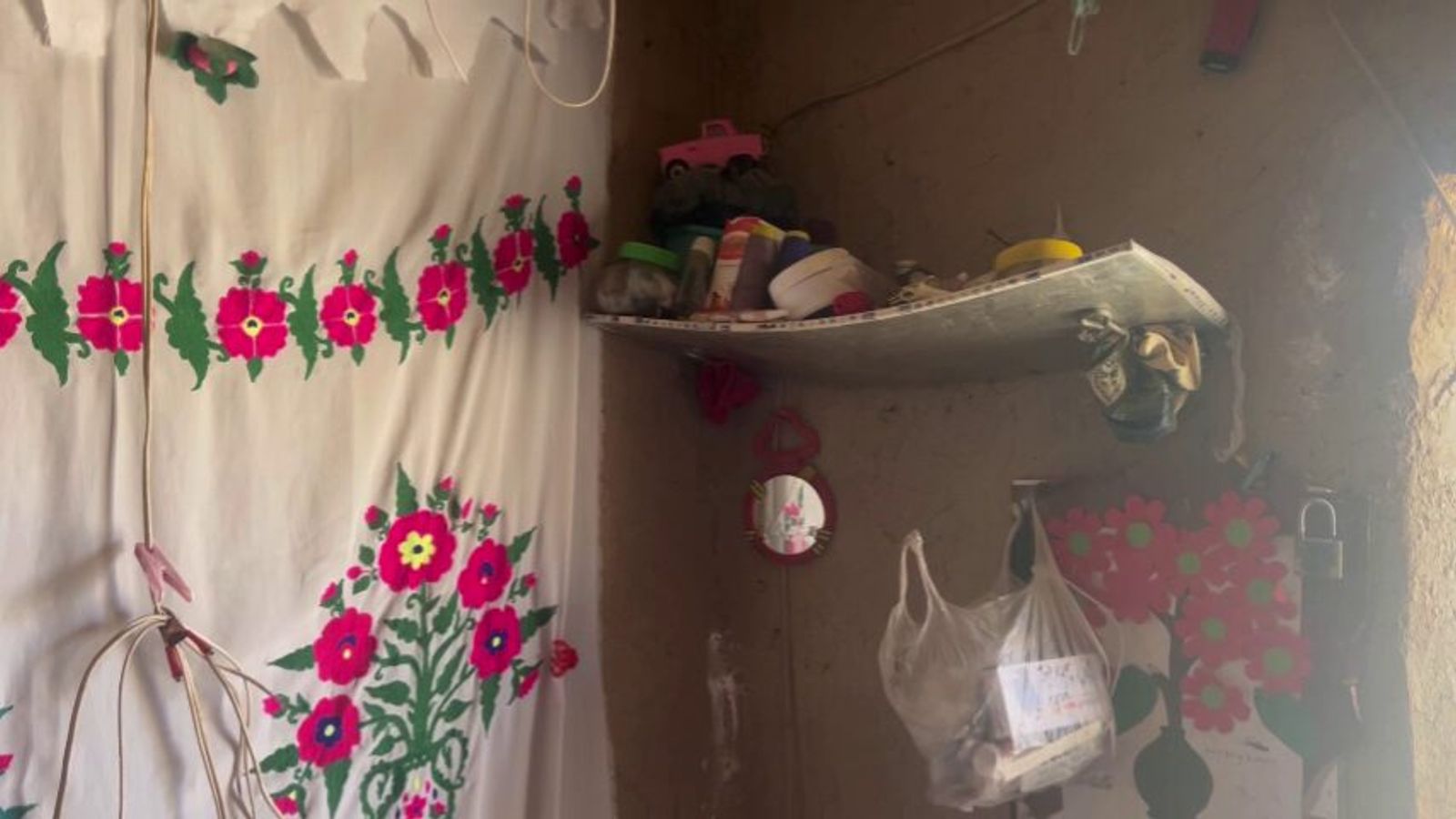
Afghanistan's economy remained fragile and under severe pressure over the past year due to the closure of commercial crossings with Pakistan, reductions in foreign aid, the return of about two million migrants from Iran and Pakistan, and regional tensions including conflicts involving Israel, America and Iran. These factors contributed to increases in the prices of goods during the solar Hijri year 1404.
Residents in Herat described extreme poverty ahead of Eid. Zia Gul, who lives in a rented house in Herat suburbs and cares for her sick husband, said she lacked food, clothes, sweets, flour and oil for the holiday. "Eid has come, we have no clothes, no garments, no Eid sweets, no flour, no oil, we have nothing," she said.
Abdul Razzaq, another Herat resident, stated: "By God, we have nothing, but we hope in God that he will solve our problems." Mohammad Allah said a lack of money prevented buying clothes for Eid, while Mohammad Ishaq noted: "We couldn't prepare clothes for ourselves for this Eid because there is no money; we don't even have Eid expenses, our situation is very bad."
The Taliban stated they are seeking alternative trade routes. Afghanistan faces the world's second-largest humanitarian crisis, with the United Nations reporting that more than 20 million people need assistance but funding remains insufficient.
Citizens entered the new year amid reduced foreign aid, migrant expulsions and fewer job opportunities, further straining the economy.
Read the original reporting at Amu TV →
Reliability assessment
Single source (Amu TV) provides direct, on-record attribution including UN statements on humanitarian crisis stats (>20M need aid, insufficient budget), Taliban on trade routes, and named residents (Zia Gul, Abdul Razzaq, Mohammad Allah, Mohammad Ishaq) in Herat with concrete personal details.
The source language mixes facts with framing or advocacy wording. Amu TV: "fragile and critical" (title), "under severe pressure", "severe economic poverty" – these phrases add emotional loading and mild advocacy framing to the economic conditions beyond neutral reporting.
Independent web corroboration
An independent web search turned up no separate corroborating reports. Treat the account as single-sourced until more outlets pick it up.
Across the newsrooms
Filed by
Amu TV
Originating
Framed
Framed
Filed under
Economy — Afghanistan, Herat, Taliban, United Nations, Pakistan
Reader supported
Keep Ehtebar running
Every published story uses paid tools to translate reporting, compare sources, extract claims, and produce a clearer read on Afghanistan. Reader support helps keep that work independent.
€5
helps cover daily verification runs
€15
supports a week of source comparison
€50
keeps independent analysis moving
More in Economy
Economic Commission Approves 37 Domestic Standards and 12 Testing Methods
— Reliable

Taliban Governor Says Around 700 Mines Under Extraction in Panjshir
— Reliable
Daily Production at Baghlan's Ghori Cement Factory Increases to 700 Tons
— Reliable
Two Irrigation and Flood-Prevention Projects Completed in Zabul
— Reliable