
SOCIETY — March 16, 2026
Environment Protection Agency Head: Climate Change Situation in Afghanistan Concerning
Afghanistan's National Environment Protection Agency head Mawlawi Muti al-Haq Khalis called the climate change situation in the country concerning at a meeting to draft the third National Determined Contribution document. He highlighted human-induced factors like water overuse and deforestation, urging better coordination and advanced irrigation amid high vulnerability despite low emissions.
The Ehtebar Desk — originates with Bakhtar News — 2 min read
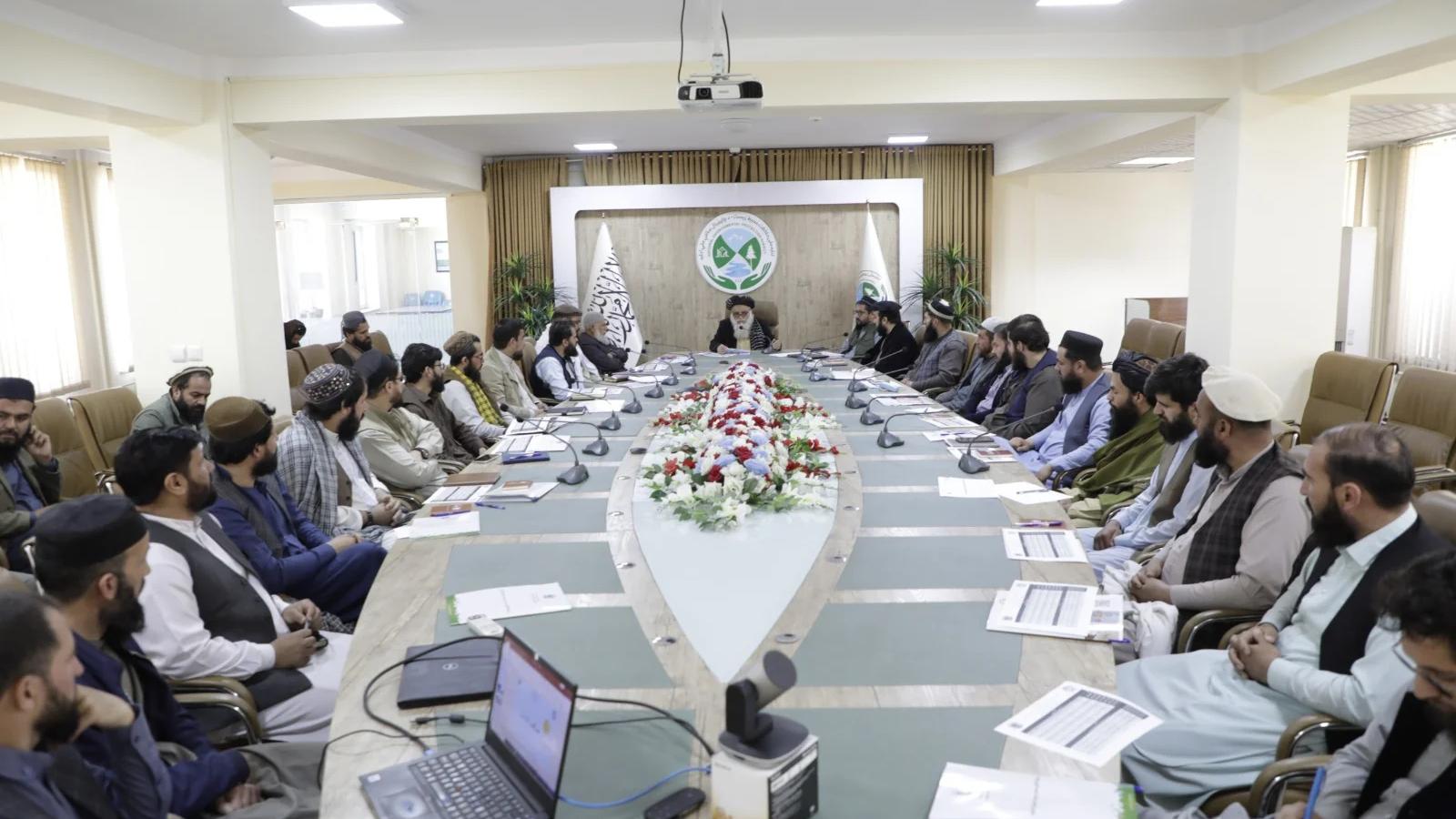
KABUL (Afghan Verified) -- Mawlawi Muti al-Haq Khalis, head of Afghanistan's National Environment Protection Agency, described the country's climate change situation as concerning during a two-day consultative meeting to develop the third National Determined Contribution document.
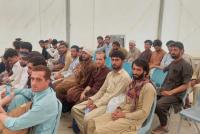
The meeting, presided over by Khalis, included representatives and officials from Emirate departments and relevant institutions. Khalis emphasized the need for coordination among Emirate departments to address climate change challenges and protect the environment.
He distinguished between natural climate change, which occurs over time, and human-induced changes from unbalanced industrial development and irrational use of natural resources. Factors such as overuse of surface and groundwater, deforestation, and irrational hunting have disrupted ecosystems, Khalis said.
Global greenhouse gas emissions have also destroyed natural glaciers in Afghanistan and worldwide, he added. In some areas, even drinking water is purchased or transported for livestock, underscoring the severity of climate impacts.
Khalis identified the lack of advanced water management systems as a major challenge. Traditional irrigation methods prevalent in many areas lead to significant water wastage, while systems like drip irrigation could conserve resources.
Despite Afghanistan's small share of global greenhouse gas emissions, its vulnerability to climate change is several times greater, he noted. The country has acceded to international conventions on climate change and must regularly share related documents and reports.
The meeting aimed to gather technical views and opinions from Emirate departments to strengthen national programs on combating climate change, environmental protection, and sustainable natural resource management.
Read the original reporting at Bakhtar News →
Reliability assessment
Single source provides direct, on-record attribution with concrete, checkable details including named official Mawlawi Muti al-Haq Khalis, specific event (two-day consultative meeting for third NDC), and press office statement; not high-stakes or volatile.
The source language reads straight.
Across the newsrooms
Filed by
Bakhtar News
Originating
Reported straight
Reported straight
Filed under
Society — National Environment Protection Agency, Mawlawi Muti al-Haq Khalis, National Determined Contribution, climate change, Afghanistan
Reader supported
Keep Ehtebar running
Every published story uses paid tools to translate reporting, compare sources, extract claims, and produce a clearer read on Afghanistan. Reader support helps keep that work independent.
€5
helps cover daily verification runs
€15
supports a week of source comparison
€50
keeps independent analysis moving
More in Society
Health Officials and Experts Discuss Rise in Black Jaundice Cases in Afghanistan
— Reliable
Discussion on Agricultural Products and Health Services in Samangan Province
— Reliable
WHO Report Cites Taliban Restrictions and Funding Shortfalls as Threats to Health Services in Afghanistan
— Reliable
Afghan officials report returns of families from Pakistan and Iran alongside releases from Pakistani prisons
— Reliable