
CULTURE — May 9, 2026
Historical Travelogue Details Nineteenth-Century Afghanistan Under Dost Mohammad Khan
Scottish explorer Alexander Burnes’s nineteenth-century travelogue documents Afghanistan’s political fragmentation, urban demographics, and legal institutions under Emir Dost Mohammad Khan. The historical account provides detailed observations of Kabul’s markets, minority population shifts, and the emir’s reliance on Sharia courts.
The Ehtebar Desk — originates with Afghanistan International — 2 min read
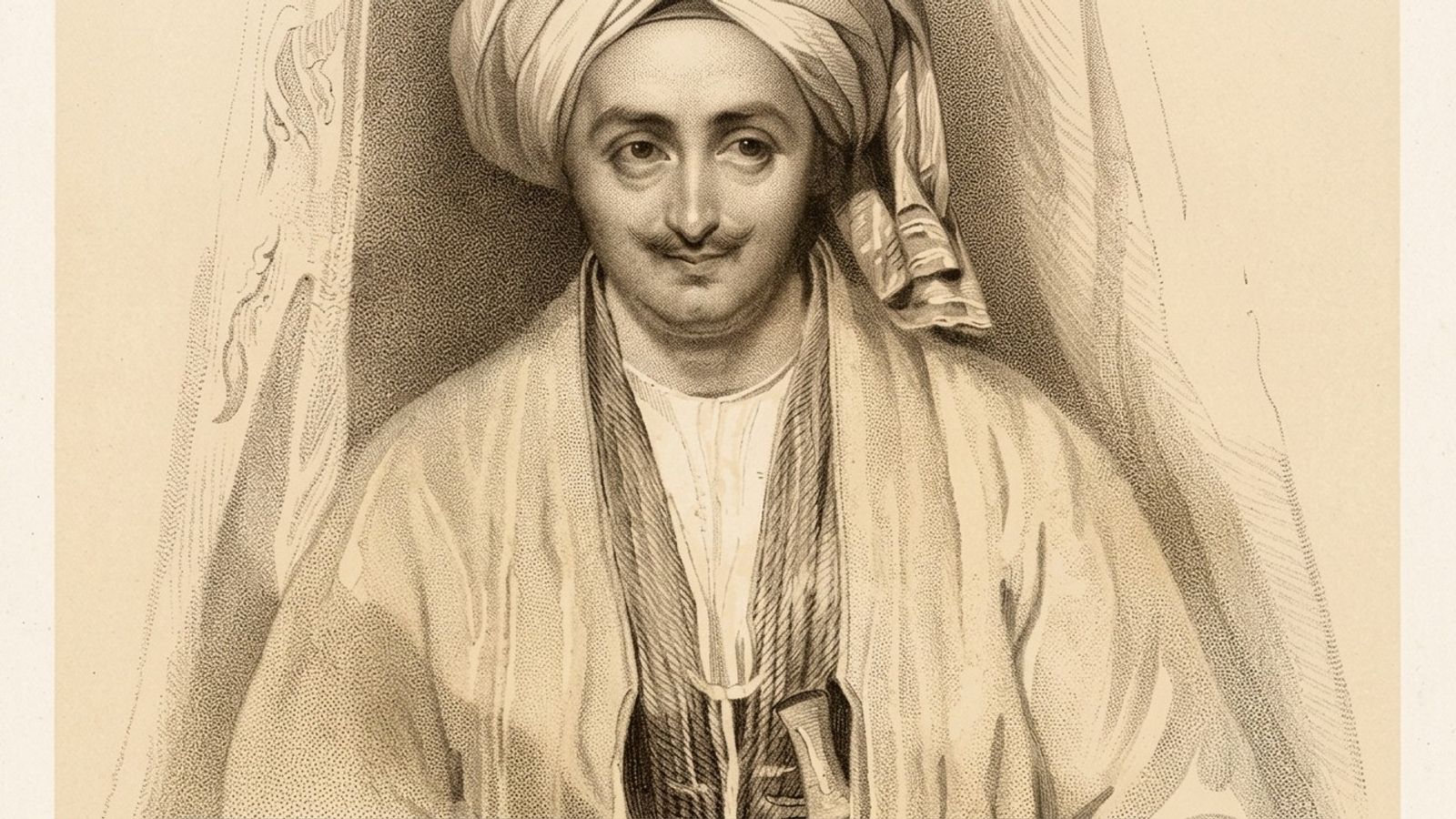
A nineteenth-century travelogue by Scottish explorer Alexander Burnes provides a detailed account of Afghanistan approximately one hundred and ninety years ago, documenting the region’s political landscape and urban life following the collapse of the Durrani kingdom. Burnes’s published work, titled Journey to Bukhara, records his observations across Kabul, Bamyan, Balkh, Jalalabad, and Peshawar during a period marked by decentralized local rule.
During his travels, Burnes estimated Kabul’s population at sixty thousand residents, describing a large, covered bazaar that served as a commercial hub. In contrast, he characterized Jalalabad as a smaller settlement whose population expanded significantly during certain seasons. The account also notes demographic shifts among minority communities, recording a sharp decline in Kabul’s Armenian and Jewish populations. Burnes attributed the departure of Armenian residents to a prohibition on alcohol implemented by Emir Dost Mohammad Khan.
Burnes’s narrative includes a direct meeting with Emir Dost Mohammad Khan, whom he described as intellectually curious about European developments and technological advancements. The explorer also documented the emir’s daily sessions in Sharia courts, noting that these proceedings were widely respected for establishing clear and consistent legal standards. The travelogue further highlights the reliance of local governance on religious jurisprudence during an era of fragmented political authority.
The historical record remains a primary reference for scholars examining nineteenth-century Afghan society, urban demographics, and the administrative practices of early nineteenth-century rulers. Burnes’s firsthand observations continue to offer insight into the region’s commercial networks, legal institutions, and the daily realities of life in Central Asia before the onset of modern state consolidation.
Read the original reporting at Afghanistan International →
Reliability assessment
Single source explicitly attributes all historical observations to Alexander Burnes's published travelogue 'Journey to Bukhara.' The claims are concrete, verifiable against the primary historical text, and include specific names, locations, and demographic details. No conflicting sources are present, but the direct attribution to a documented primary source establishes reliability.
The source language reads straight.
Across the newsrooms
Filed by
Afghanistan International
Originating
Reported straight
Reported straight
Filed under
Culture — Alexander Burnes, Dost Mohammad Khan, Kabul, Historical Travel, 19th Century Afghanistan
Reader supported
Keep Ehtebar running
Every published story uses paid tools to translate reporting, compare sources, extract claims, and produce a clearer read on Afghanistan. Reader support helps keep that work independent.
€5
helps cover daily verification runs
€15
supports a week of source comparison
€50
keeps independent analysis moving
More in Culture

Premier Pahlawani League Final to Crown First Champion Tonight in Kabul
— Reliable
Three-Day Tourism Capacity-Building Seminar Concludes in Herat
— Reliable
Deputy Minister of Culture and Art Says Efforts to Protect Historical Sites Will Continue
— Reliable
Traditional Gul-e-Zard Poetry Gathering Held in Kapisa
— Reliable